The Importance of Vaccination in Pets in Nigeria
The Importance of Vaccination for Pets in Nigeria
Ensuring the health and well-being of our pets is a responsibility that extends beyond mere companionship. In Nigeria, where pets face the threat of various infectious diseases, vaccination plays a crucial role in safeguarding their lives. For responsible pet owners, understanding vaccination’s advantages is not just beneficial; it’s essential in fostering a healthier community.
Prevention of Diseases
Vaccines serve as a protective shield against a range of dangerous illnesses that can affect our furry friends. For instance, rabies is a viral disease that is almost always fatal once symptoms appear, yet it is entirely preventable through vaccination. The canine parvovirus poses a severe threat, particularly to young puppies, causing severe gastrointestinal issues that can lead to death. Similarly, canine distemper virus presents a high risk; it attacks the respiratory, gastrointestinal, and nervous systems. By ensuring that pets receive their vaccinations, owners are not only protecting their animals but also preventing the spread of these diseases within the pet population.
Community Health
Vaccinated pets contribute significantly to the overall health of the community. Vaccination can help reduce the incidence of zoonotic diseases, which are diseases that can be transmitted from animals to humans. For example, if a neighborhood has a high number of unvaccinated pets, the risk of rabies outbreaks increases. By vaccinating our pets, we collectively work to diminish these health risks. This is especially pertinent in urban areas like Lagos, where the close proximity of pets and people can facilitate the spread of infections.
Cost-Effective Health Care
Preventing illness through vaccination is generally more cost-effective than treatment. Medical care for sick pets, including hospitalization and medication for diseases such as parvovirus, can be prohibitively expensive, particularly for families with limited resources. By investing in vaccinations, pet owners can save money in the long term, ensuring that they are not burdened with sudden medical expenses due to preventable diseases.
Travel and Boarding Requirements
For pet owners who travel frequently or require pet boarding services, having an up-to-date vaccination record is often a necessity. Various facilities, including kennels and pet hotels, require proof of vaccinations before accepting pets. This not only guarantees the safety of the pet but also ensures the health of other animals within the facility.
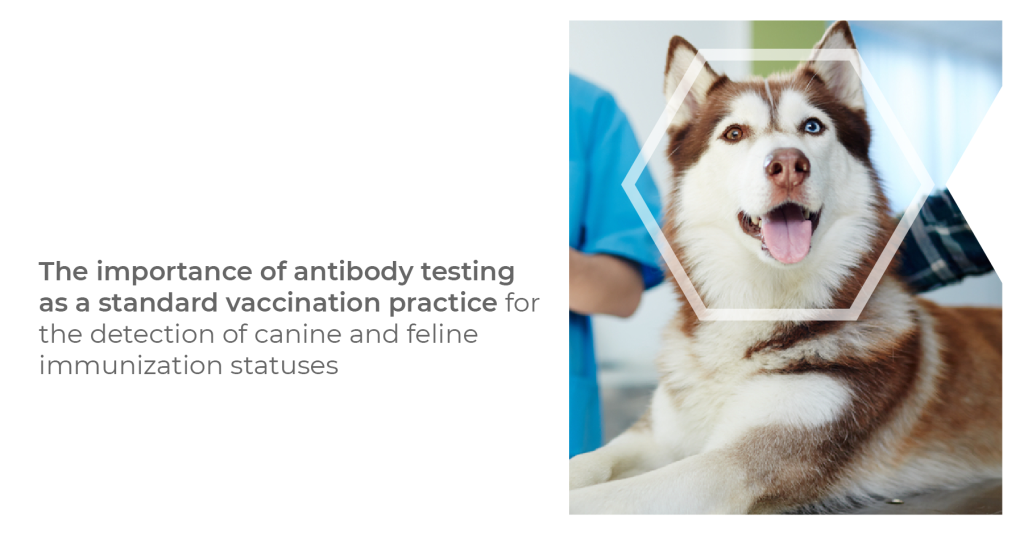
Considering the densely populated regions of Nigeria, such as Port Harcourt or Abuja, it is essential for pet owners to take proactive measures in keeping their animals healthy. By prioritizing vaccinations, pet owners not only protect their companions but also contribute to the broader public health framework. This collaborative effort can significantly minimize the risk of outbreaks and promotes a healthier environment for all.
Exploring Vaccination Resources
As we further explore this topic, it is important to inform pet owners about the specific vaccines recommended for pets in Nigeria, the ideal vaccination schedule, and available resources for pet care. Knowledge about these preventive health measures empowers pet owners and ensures that their beloved companions receive the best possible care.
Taking the time to understand and implement a vaccination schedule could be the difference between a healthy, long life for your pet and devastating illness. Your journey into responsible pet ownership begins with recognizing the paramount importance of vaccinations.
ADDITIONAL INSIGHTS: Expand your understanding here
Understanding the Vaccination Landscape
The landscape of pet vaccination in Nigeria is complex and often misunderstood. Pet owners frequently find themselves navigating a myriad of conflicting information, which can lead to oversights in their pets’ healthcare needs. As a first step towards promoting responsible ownership, it is essential to familiarize ourselves with the key vaccinations recommended for pets in Nigeria and the impact they have on both individual pets and the community at large.
Essential Vaccines for Pets
Vaccination schedules can differ depending on the species of pet, their age, and lifestyle. For dogs, the following vaccines are deemed essential:
- Rabies Vaccine: This is not just critical for the dog’s health but also a legal requirement in many areas due to public health policies against rabies.
- Canine Parvovirus: This highly contagious virus is particularly deadly for puppies and can lead to severe gastrointestinal problems.
- Canine Distemper: Responsible for many deaths in unvaccinated dogs, this virus affects the respiratory and nervous systems.
- Canine Adenovirus: This vaccine protects against infectious canine hepatitis, which impacts the liver and can be fatal.
For cats, essential vaccinations often include:
- Feline Viral Rhinotracheitis: A leading cause of upper respiratory infections in cats.
- Calicivirus Vaccine: This complements the rhinotracheitis vaccine to provide broader respiratory protection.
- Feline Panleukopenia: Also known as feline distemper, this virus is always fatal without vaccination.
- Rabies Vaccine: Similar to dogs, cats must also be vaccinated against rabies to ensure their well-being and compliance with public health regulations.
Vaccination Schedules
The timing of vaccinations is as crucial as the vaccines themselves. Puppies and kittens typically begin their vaccination courses at around six to eight weeks of age, with booster shots required at set intervals. It is imperative for pet owners to adhere to these schedules to ensure a robust immune response. Furthermore, annual vaccinations are generally recommended to maintain immunity and safeguard against diseases.
Resources and Information Access
In Nigeria, access to vaccination services can vary significantly between urban and rural areas. Many veterinary clinics and animal health organizations provide vaccination drives that make it easier for pet owners to comply with vaccination schedules and stay informed about new health initiatives. Local non-profits also work tirelessly to raise awareness about the importance of vaccinations through educational programs and community outreach.
It is essential for pet owners to actively seek out veterinary services with a reliable track record in executing vaccination programs. By establishing a trustworthy relationship with a veterinarian, pet owners can ensure their pets receive the necessary care while also gaining access to ongoing education about vaccines and emerging health issues affecting pets in Nigeria.
In conclusion, recognizing the significance of vaccinations for pets in Nigeria lays the groundwork for a healthier future. Committing to a vaccination schedule not only protects individual pets from life-threatening diseases but also fosters a protective environment for communities, making the topic of pet vaccination crucial for every responsible owner.
The Importance of Vaccination in Pets in Nigeria
Vaccination plays a crucial role in safeguarding the health and well-being of pets in Nigeria. As pet ownership continues to rise, the awareness of vaccination has become increasingly important among pet owners. Vaccines not only protect pets from serious diseases but also help in controlling the spread of infections within the community.
| Advantage | Description |
|---|---|
| Prevention of Diseases | Vaccines protect pets from fatal diseases such as rabies, distemper, and parvovirus, which are prevalent in Nigeria. |
| Community Health | Vaccinating pets contributes to broader public health by reducing the incidence of zoonotic diseases that can affect humans. |
The impact of vaccination extends beyond just the individual pet; it contributes to the overall health of the community as it helps in building herd immunity. When a significant proportion of pets are vaccinated, the risk of outbreak of contagious diseases diminishes considerably. This not only protects vaccinated animals but also those that are unvaccinated, creating a safer environment for both pets and humans alike.
It is critical for pet owners in Nigeria to be informed about the vaccination schedule, ensuring that their pets receive timely vaccinations. Regular veterinary check-ups can help identify any potential health issues early, allowing for prompt treatment. As we delve deeper into the vaccination landscape in Nigeria, it’s evident that increasing awareness and accessibility to vaccines is vital for promoting pet health.
ADDITIONAL INSIGHTS: Expand your understanding here
Impact on Public Health and Community Welfare
While the focus on pet health is paramount, the ripple effect of vaccinating pets extends far beyond individual animals. In Nigeria, where zoonotic diseases such as rabies remain a significant public health concern, the importance of vaccination takes on a new dimension. By immunizing pets against diseases, pet owners play a vital role in safeguarding not just their companions, but also the health of their communities.
The Rabies Challenge
Rabies is a pressing issue in Nigeria, with numerous reported cases each year. The World Health Organization has highlighted Nigeria among countries at high risk for rabies transmission, predominantly through dog bites. Vaccinating dogs against rabies is a key preventive measure. A report by the Nigerian Centre for Disease Control indicated that the majority of rabies transmissions in humans originate from unvaccinated dogs. By ensuring that dogs are vaccinated, pet owners contribute to the herd immunity necessary to reduce the risk of rabies spreading within human populations.
Preventing Overpopulation Issues
Vaccination also plays a crucial role in managing pet overpopulation. Many vaccines are combined with spaying and neutering initiatives, another vital aspect of pet ownership. Programs aimed at vaccinating pets often include educational components about the benefits of responsible breeding, reducing the number of stray animals. Each year, tens of thousands of stray dogs and cats roam urban and rural areas, potentially harboring diseases. Vaccination, therefore, becomes a part of a larger strategy to address not only individual health but also community welfare by controlling population numbers and disease spread.
Economic Considerations
The economic implications of vaccination in Nigeria cannot be ignored. For pet owners, the cost of vaccinating pets is a fraction of the potential veterinary bills that can arise from treating serious diseases. By investing in preventive measures, owners can save significantly in the long run. Moreover, a healthy pet often equates to fewer interruptions in the owner’s daily life, allowing for a more stable economic contribution to society. The healthcare costs associated with treating diseases that vaccinations can prevent are substantial; hence, vaccination holds both health and economic advantages.
Community Awareness and Engagement
The role of community knowledge cannot be overstated. Vaccine drives and educational workshops initiated by local veterinary clinics and organizations have begun to change the landscape of pet ownership in Nigeria. Initiatives promoting responsible pet ownership, combined with vaccination programs, empower communities with knowledge about health practices. There is now a growing movement, particularly in urban areas, that sees pet owners proactively seeking out vaccinations, indicating a positive trend toward heightened awareness and responsibility.
Further, social media and community outreach projects play an essential role in disseminating information and encouraging vaccination compliance among pet owners. Mobile clinics and outreach campaigns targeting underserved areas ensure that even the most marginalized pet owners can access vital vaccination services. This ongoing engagement fosters a culture of accountability and advocacy, bridging the gap between veterinarians and pet owners.
Collectively, these factors illustrate the broader influence of vaccination in pets on public health, economic stability, and community well-being. The issue extends well beyond individual pet care, highlighting the critical intersection between pet vaccination, human health, and societal welfare in Nigeria.
RECOMMENDED: Check out this similar article
Conclusion
In summary, the importance of vaccination in pets in Nigeria cannot be overstated. The implications of vaccinating pets extend far beyond individual animal health, playing an instrumental role in public health, community welfare, and economic stability. Vaccines are essential tools in the fight against zoonotic diseases like rabies, which pose significant threats to both animals and humans. By taking the proactive step of vaccinating their pets, owners contribute to herd immunity, effectively reducing the risk of disease transmission within communities.
Moreover, vaccination is a critical component in controlling pet overpopulation. Through education and responsible pet ownership initiatives, communities can work collaboratively to prevent stray animal populations from burgeoning, thereby addressing both health and environmental concerns. The economic benefits associated with vaccinations—saving costs on potential veterinary bills and minimizing disruptions to daily life—further underscore their necessity.
As awareness grows, particularly through local outreach programs and social media initiatives, the community must continue to engage with the importance of pet vaccination. It is imperative for pet owners to remain vigilant and informed, recognizing that their actions directly influence not only the health of their pets but also the broader social fabric. In Nigeria, a sustained commitment to vaccination can pave the way for healthier lives—both human and animal—ultimately fostering a more resilient society.