Creating Cardboard Furniture: Accessible and Sustainable Design for Your Home
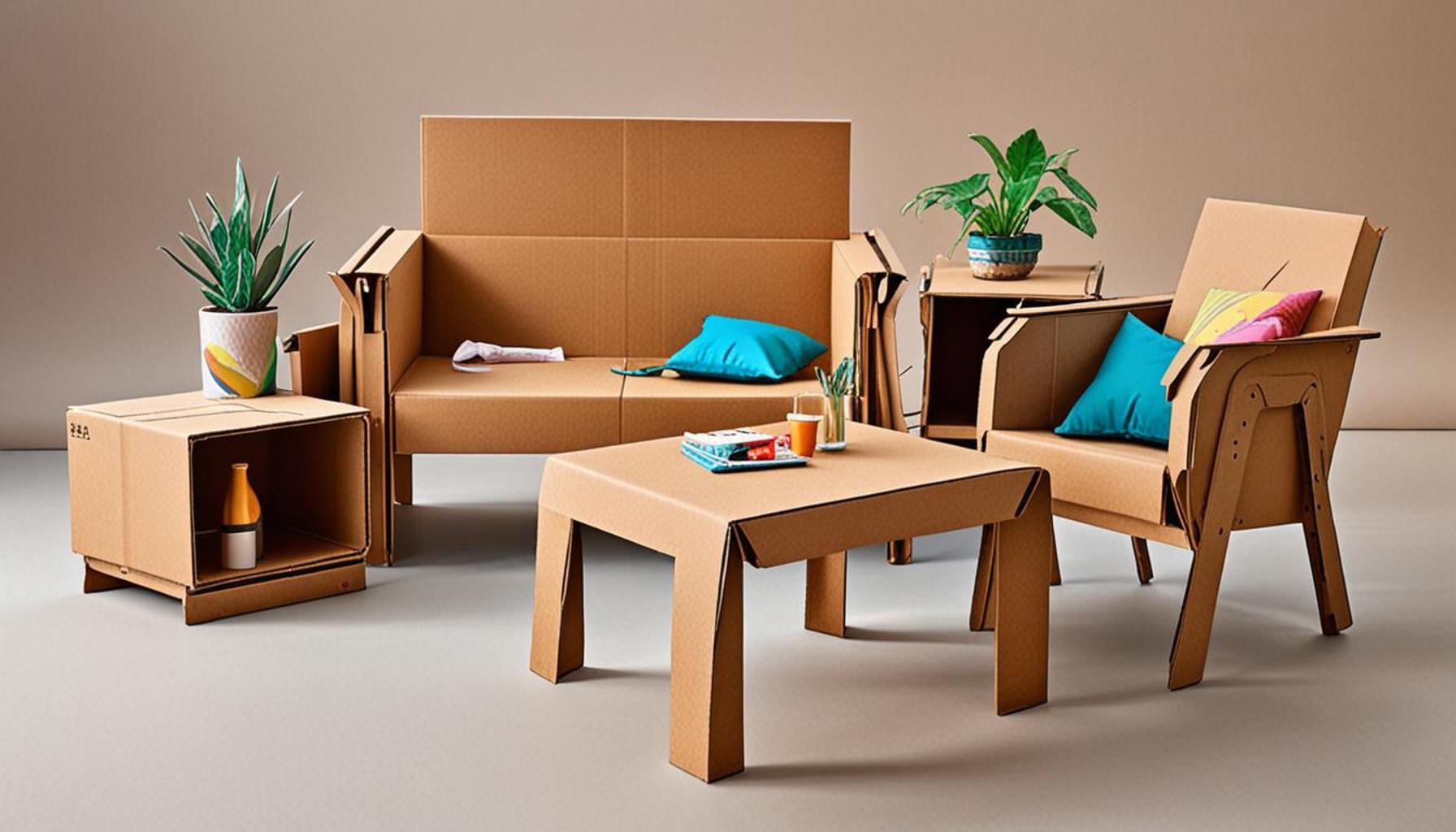
The Rise of Cardboard Furniture in Sustainable Living
As the conversation around sustainability gains momentum worldwide, many individuals are re-evaluating their consumption habits and exploring alternatives to traditional materials. Among these innovative solutions, cardboard furniture emerges not just as a practical option, but also as an artistic expression that resonates with those interested in eco-friendly living. This trend is especially prominent in Nigeria, where local artisans are beginning to craft unique pieces that reflect the country’s rich cultural heritage.
There are several compelling reasons to consider cardboard furniture for your space. First, it is incredibly cost-effective. Unlike wood or plastic, cardboard is usually inexpensive and can even be sourced from recycled materials. This affordability makes it an attractive choice for many Nigerians, particularly students or young professionals seeking stylish, functional pieces without breaking the bank.
Another notable advantage is that cardboard is lightweight. This quality enhances its portability, making it easy to move furniture in and out of small apartments or shared living spaces. In urban centers like Lagos or Abuja, where residents often face space constraints, the ease of rearranging or transporting lightweight furniture can significantly improve living conditions.
Versatility is also a major selling point of cardboard furniture. Artisans can create a range of items, from simple stools and tables to complex shelving units, designed to cater to different tastes and needs. In Nigeria, many artisans are infusing traditional motifs and patterns into their designs, thus marrying modernity with cultural significance. For example, a local craftsman might craft a beautiful, intricate bookshelf adorned with traditional Nigerian art, offering not only utility but also a conversation piece that celebrates local heritage.
Moreover, the use of cardboard furniture promotes an eco-conscious mindset. By choosing sustainable materials, consumers contribute to waste reduction and encourage a culture of recycling. In a region where environmental issues are critical, this shift towards sustainable living can have a meaningful impact. Many communities are starting to recognize the importance of environmental responsibility, and opting for such eco-friendly furniture supports this growing awareness.
As this movement continues to evolve, the potential for creating cardboard furniture becomes a channel for artistic expression and sustainable living. The collaborative efforts of local designers, artists, and craftsmen not only foster innovation but also inspire others to think creatively about their lifestyle choices. Are you ready to delve into this creative revolution and transform your living space sustainably? With cardboard furniture, the possibilities are both practical and artistic, presenting a unique opportunity to embrace a greener future.
CHECK OUT: Click here to explore more
Understanding the Benefits of Cardboard Furniture
In the quest for sustainable living, cardboard furniture stands out as both an affordable and practical option. Its myriad benefits position it as a frontrunner in eco-friendly designs, especially in the context of Nigeria, where economic considerations often guide consumer choices. Below are some of the key advantages that make cardboard furniture an ingenious alternative for your home.
1. Cost-Effectiveness
Affordability is a primary concern for many households in Nigeria, where budget constraints can dictate purchasing decisions. Cardboard furniture offers an incredible solution due to its capacity to be made from recycled materials, drastically reducing manufacturing costs. Additionally, you may find that in local markets, handmade cardboard items can be significantly cheaper than traditional furniture options, making them accessible to a broader audience.
2. Lightweight and Portable
Living in urban settings such as Lagos or Port Harcourt often necessitates frequent relocations or redesigns of space. The lightweight nature of cardboard makes it easy to transport and rearrange. For young Nigerians living in small apartments or shared houses, the ability to move furniture around without needing extra hands can greatly enhance their living experience.
3. Customizable and Stylish
The creativity involved in creating cardboard furniture knows no bounds. Artisans have the freedom to incorporate various designs, textures, and colors, resulting in pieces that are not only functional but also visually striking. This customization is a great way to express personal style, allowing homeowners to choose from:
- Functional designs: Pieces that serve practical purposes, such as coffee tables or bookshelves.
- Decorative elements: Unique artwork or intricate patterns that reflect local culture.
- Multi-purpose items: Furniture that can adapt to various uses, such as a bench that doubles as storage.
4. Environmental Impact
Using cardboard furniture contributes positively to the environment. With the pressing concerns of deforestation and waste, choosing cardboard helps mitigate these issues. By opting for furniture made from biodegradable and recyclable materials, consumers actively participate in reducing environmental impact. The growing awareness of sustainable practices in Nigeria reflects a collective movement towards more responsible consumption.
As local artisans continue to innovate and engage with traditional aesthetics, the landscape of cardboard furniture grows richer. This artful combination of sustainability and creativity not only provides much-needed furniture solutions but also fosters a sense of community and cultural pride in craftsmanship. By embracing these pieces, consumers are not just filling their homes but also supporting a vision for a greener, more sustainable future. Through this exploration of cardboard furniture, we uncover new possibilities that blend function, art, and conscious living.
| Category 1 | Category 2 |
|---|---|
| Eco-Friendly Materials | Cardboard is made from sustainably sourced resources, reducing environmental impact. |
| Affordability | Creating affordable furniture options without compromising style or quality. |
In the realm of home design, the movement towards sustainability is pivotal, and creating furniture from cardboard exemplifies this trend. Cardboard furniture offers a strikingly eco-friendly alternative to traditional materials, providing a solution that not only conserves resources but also minimizes waste. By utilizing cardboard, a renewable material, designers can foster innovative aesthetics while remaining conscious of their carbon footprint.In addition to environmental benefits, one of the most compelling factors is the affordability of cardboard furniture. Often significantly cheaper than conventional wood or metal designs, it opens up furniture creation to a wider audience. This accessibility aligns with contemporary demands for stylish yet budget-friendly home solutions, enticing individuals to explore the potential of DIY projects.Furthermore, cardboard’s versatility makes it an ideal medium for customized creations. Individuals can easily modify designs to suit their unique spaces, making personalization achievable without hefty investments. Whether it’s a sleek coffee table or a whimsical shelving unit, the possibilities are vast and inviting. By focusing on sustainability and affordability, the practice of creating cardboard furniture not only supports environmental conservation but also enhances human creativity and resourcefulness in home design.
YOU MAY ALSO LIKE: Read read another article
Exploring the Process of Creating Cardboard Furniture
While the benefits of cardboard furniture are compelling, understanding the creation process can ignite further interest among DIY enthusiasts and aspiring artisans. From basic design concepts to practical assembly techniques, the journey from cardboard sheets to functional furnishings is both engaging and enlightening.
1. Choosing the Right Materials
The foundation of any sustainable furniture project begins with selecting high-quality cardboard. Artisans should prioritize recycled corrugated cardboard due to its strength and rigidity. Sourcing cardboard from local suppliers or even reusing boxes from deliveries can enhance sustainability while ensuring sufficient material availability. Furthermore, ensuring the cardboard is free from harmful coatings or chemicals is crucial for safe indoor use.
2. Designing Your Furniture
Before any cutting or assembling begins, a solid design blueprint is essential. Designers can adopt both traditional and modern aesthetics to cater to personal tastes. Using software or hand-drawn sketches can help visualize ideas while maximizing space efficiently. Common design concepts include:
- Flat-pack Designs: These designs allow for easy transportation and assembly, encouraging portability that can be tailored to Nigerian urban lifestyles.
- Furniture that Folds: Creative folding mechanisms create multi-functional pieces, such as a dining solution that converts into a workspace.
- Incorporation of Local Patterns: Infusing traditional Nigerian motifs can make the furniture culturally resonant, allowing consumers to connect with their heritage.
3. Techniques for Assembly
Once the design is finalized, it’s time to bring vision to life. Basic tools such as a craft knife, a ruler, and glue or tape are all that’s required for assembly. Artisans can utilize techniques like:
- Interlocking Tabs: Creating designs that feature tabs that can fit into notches can enhance stability without relying on adhesives.
- Layering: By layering several sheets of cardboard, artisans can increase the furniture’s strength, making it suitable for everyday use.
- Coating with Varnish: A natural varnish can be applied to increase durability and provide a smoother finish, protecting against wear and tear.
4. Upcycling and Redesigning Existing Furniture
Cardboard furniture does not have to exist solely as standalone pieces. An intriguing aspect of this creativity is the potential for upcycling. By taking old or damaged furniture, artisans can enhance aesthetics and utility through innovative cardboard designs. For instance, transforming an old chair into a brand new lounge piece or reworking a simple desk into a work of art is an excellent way to extend the life of furniture while reducing landfill waste.
Artistic workshops across Nigeria are beginning to recognize the viability of cardboard furniture. Initiatives that teach skills related to creation, design, and sustainability are becoming more prevalent, promoting self-sufficiency among communities. Moreover, markets like Balogun in Lagos reflect this growing movement as artisans showcase cardboard creations alongside traditional woodcrafts, highlighting a dynamic shift in consumer preference towards sustainable options.
In this exploration of cardboard furniture creation, it is apparent that marrying artistry with environmental consciousness creates a unique opportunity for Nigerians. With a little creativity and ingenuity, anyone can partake in designing functional yet beautifully crafted pieces that speak to both personal style and the ongoing quest for sustainable living.
CHECK OUT: Click here to explore more
Conclusion: Embracing the Future of Furniture Design
As we move towards a world where sustainability and accessibility take center stage, creating cardboard furniture emerges as a transformative avenue for both homeowners and artisans alike. This innovative approach to furniture design not only champions the use of recycled materials but also opens doors to an exciting realm of customization and creativity. In Nigeria, where resourcefulness is woven into the fabric of daily life, integrating cardboard furniture can seamlessly coexist with traditional practices, offering a fresh perspective on interior aesthetics.
Accessible design is not merely about affordability; it’s about empowering individuals to explore their unique artistic visions while contributing to environmental sustainability. The potential for upcycling and enhancing existing furniture breathes new life into styles from the past, making each piece a testament to personal style and cultural heritage. Furthermore, with the rise of workshops and community initiatives dedicated to teaching these skills, a renaissance of craftsmanship is unfolding across the nation.
Ultimately, the journey of crafting cardboard furniture encourages us to rethink our consumption patterns and embrace eco-conscious living. By providing functional solutions that are not only beautiful but also kind to our planet, we pave the way for a more sustainable future. As we continue to explore and innovate within this realm, each handcrafted item contributes to a larger movement towards responsible production and consumption, proving that sustainable design can indeed be both accessible and artful.
As we consider our homes and the stories they tell, let us be inspired to build not just with materials, but with principles that honor our environment and our creativity. The world of cardboard furniture awaits those willing to explore its possibilities.