How to transform recyclable materials into works of art: Sustainable creativity
The Rise of Eco-Conscious Artistic Expression
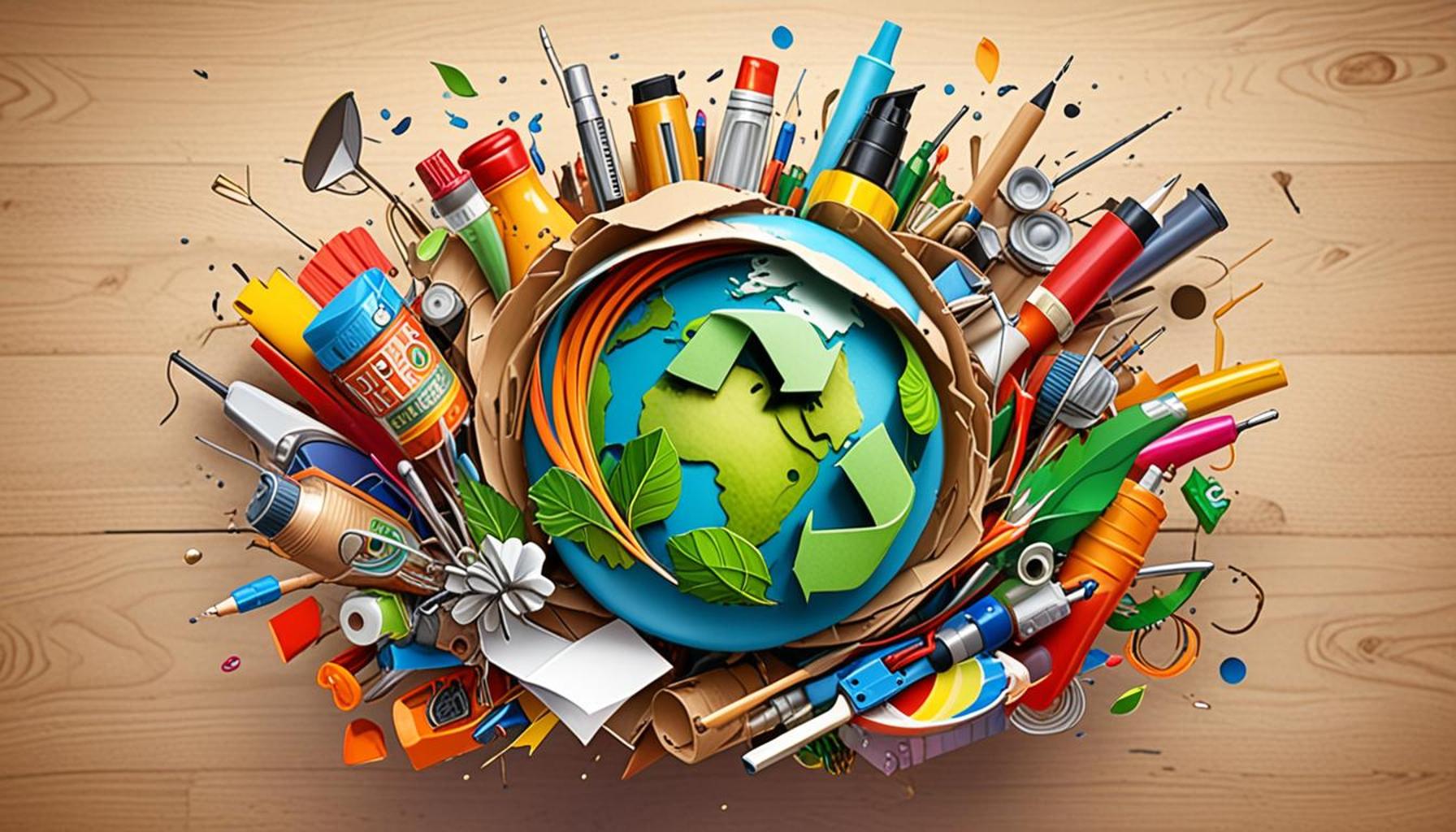
Creativity knows no bounds, especially when it comes to transforming waste into wonders. Recyclable materials offer an endless array of possibilities for artists looking to make a statement. They are not simply crafting objects but are making commentaries on environmental issues, societal norms, and cultural identities.
In Nigeria, where waste management remains a significant challenge due to rapidly growing urban populations and insufficient disposal systems, artists are stepping up to change the narrative. They are harnessing materials that would typically end up in landfills, breathing new life into them through art. For instance, artists in Lagos have taken discarded flip-flops and crafted intricate sculptures that reflect the beauty of Nigerian wildlife, imbuing their work with a message about marine conservation.
Benefits of Sustainable Creativity
- Environmental Impact: By using recyclable materials, artists help reduce waste and promote sustainability. This is especially critical in Nigeria, where littering and poor waste disposal can have dire implications for public health and the environment. Engaging in sustainable art practices not only contributes positively to the ecosystem but also raises awareness about waste reduction.
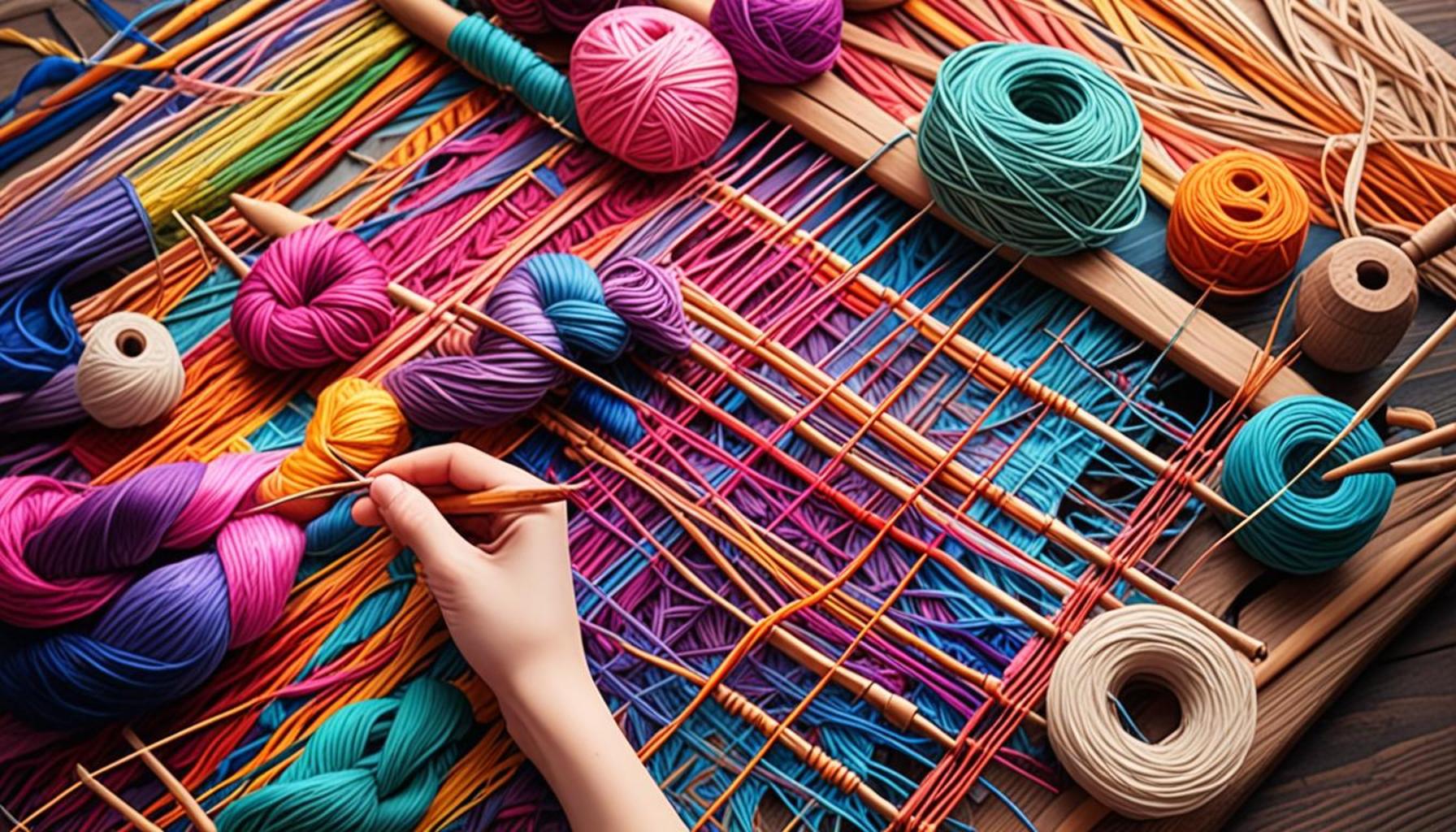
- Cultural Reflection: Many of these art pieces reflect local culture and tap into traditional craftsmanship. For example, artists are weaving together plastic bags to create vibrant tapestries that tell stories from various Nigerian tribes, marrying modern materiality with age-old narratives.
- Community Engagement: Workshops and exhibitions can foster collaboration and support among local artists. Initiatives like the “Recyclable Art Challenge” encourage aspiring creators to collaborate, bringing together diverse skills and perspectives. In cities like Abuja and Port Harcourt, community art projects have sparked conversations about environmental stewardship and cultural pride.
From plastic bottle sculptures to aluminum can mosaics, the scope for creativity is vast. Art serves as a vehicle for communication, challenging conventional perspectives while inspiring positivity and change. Creative practices surrounding recycled materials not only beautify spaces but also offer a narrative of resilience and innovation in the face of adversity.
As you explore the art of recycling creativity, consider how your own materials can be transformed into captivating works. Not only do they enhance the aesthetic of a space, but they also tell a story of sustainable practices that resonate with local communities and beyond. The power of such art lies in its ability to spark conversations, inspire action, and ultimately contribute towards a more sustainable future for Nigeria.
ADDITIONAL INSIGHTS: Expand your understanding here
Unleashing Imagination: Techniques for Transformative Art
When it comes to transforming recyclable materials into stunning works of art, the process often begins with imagination and innovation. Artists across Nigeria have been exploring myriad techniques that not only repurpose waste but also tell compelling stories. From the bustling streets of Lagos to the serene landscapes of Jos, everyday materials are being revived as mediums of artistic expression.
One effective approach is mixed media art, where creators combine items such as metal scraps, newspapers, or plastic wrappers to produce unique visual narratives. This technique allows artists to showcase their creativity while addressing pressing social issues. For example, a local artist in Abuja has been known to mold discarded metal parts into imaginative figures that symbolize hope and resilience in the face of urban challenges. The tactile experience of different materials adds depth to the artwork, inviting viewers to engage not just visually but emotionally.
Another widely recognized technique is upcycling, which transforms old or unwanted items into functional art. This can range from furniture pieces made from reclaimed wood to jewelry crafted from soda can tabs. By creatively reinventing objects that are typically viewed as waste, artists challenge societal perceptions of abuse and neglect towards recyclable materials. An inspiring case is seen in Port Harcourt, where artisans are transforming old tires into colorful garden planters, blending environmental awareness with creativity.
Essential Techniques for Beginners
- Gathering Materials: Start by collecting recyclable items around your home—think cardboard boxes, plastic bottles, or old magazines. Use your creativity to envision how these can fit into your artistic vision.
- Research and Inspiration: Explore the works of artists who focus on sustainable creativity. Platforms like Instagram and Pinterest offer a treasure trove of inspiration that showcases the vast potential of recyclable materials in art.
- Experimentation: Allow yourself to play with different techniques without fear of making mistakes. Whether you choose painting over plastic surfaces or creating collages from paper clippings, the process itself can lead to unexpected discoveries.
- Community Resources: Look for local workshops that focus on upcycling and sustainable art practices. Connecting with other like-minded artists can provide valuable tips and encouragement as you embark on your creative journey.
The possibilities are limitless when it comes to transforming recyclable materials into meaningful art. Artists not only bring beauty into the world but also inspire conversations around sustainability, resourcefulness, and cultural identity. Whether through sculptures, paintings, or functional home décor, each piece created holds the potential to convey a message that resonates deeply within the community.
| Category | Advantages |
|---|---|
| Environmental Impact | Reduces waste and promotes materials reuse, lowering landfill contribution. |
| Community Engagement | Fosters creativity and brings people together through collaborative art projects. |
| Educational Opportunities | Inspires younger generations to understand sustainability, art, and innovation. |
| Economic Benefits | Drives local economies by creating new avenues for art sales and workshops. |
As we delve deeper into the realm of sustainable creativity, the transformative potential of recyclable materials becomes increasingly evident. Turning what was once perceived as waste into beautiful art pieces not only enhances creativity but also significantly benefits our environment. Each artwork serves a dual purpose: it is a visual delight and a compelling statement on environmental consciousness. Imagine the stunning sculptures made from discarded plastic bottles or intricate designs crafted from old newspapers. Such creations do not just beautify spaces; they act as conversations starters about environmental sustainability. Collectively, these artistic endeavors demonstrate how creativity can play a pivotal role in addressing the ongoing issues of waste management and ecological degradation. Additionally, community involvement in these projects fosters a sense of belonging and shared purpose. As participants join together in workshops, they learn about the value of recycling and the importance of sustainable practices, thereby enriching their understanding of environmental issues.By marrying art with sustainability, we create a thriving eco-conscious culture that thrives on innovation, education, and environmental stewardship. This merging of artistry and advocacy allows us to envision a greener, more sustainable future where creativity knows no bounds.
ADDITIONAL INSIGHTS: Expand your understanding here
Community Engagement: Building Connections Through Art
Creating art from recyclable materials is more than just an individual endeavor; it has the potential to foster community engagement and collaboration. In many Nigerian towns and cities, collective projects centered around transforming waste into art have emerged, connecting artists and community members while promoting sustainability. Initiatives like the Waste to Art Festival in Ibadan showcase the creativity of local talent and raise awareness about environmental issues while providing a platform for cooperation.
Additionally, art can serve as a catalyst for community discussions about climate change and waste management. In Enugu, a group of artists came together to create murals that highlight the importance of recycling and environmental preservation. These murals not only beautify public spaces but also serve as educational tools that address pressing issues faced by the community. By engaging local residents in conversations sparked by these artworks, artists play a crucial role in promoting sustainable practices.
Workshops and Collaborative Initiatives
Hosting workshops is another effective strategy for inspiring others to see the potential in recyclable materials. Workshops can introduce fundamental techniques and tools to create art from waste, empowering participants to explore their creativity. A notable example is a recent initiative in Kano, where local artists conducted free workshops for schoolchildren. The children learned to turn plastic bottles and old newspapers into vibrant crafts that were later displayed at a community fair, instilling a sense of pride in both their creative abilities and environmentally-friendly practices.
- Collaboration with NGOs: Partnering with non-profit organizations that focus on environmental sustainability can amplify the impact of art initiatives. For instance, organizations often provide resources and funding for larger projects, allowing artists to reach wider audiences and make a stronger social statement through their creations.
- Creating Public Installations: Developing large-scale public installations from recyclable materials can draw attention to specific issues like pollution or deforestation. One striking example from Lagos features a massive sculptural installation made from discarded plastic bottles, which illustrates the dire consequences of plastic waste in marine ecosystems.
- Art Competitions: Organizing competitions that challenge artists to use recyclable materials can ignite interest and innovation in communities. Cash prizes or grants can incentivize participation while elevating the visibility of sustainable creativity as a vital cultural movement.
The integration of art and environmental consciousness not only has the power to inspire change but also enhances the local economy. Artists who upcycle and create marketable goods from waste materials can contribute to the green economy by providing sustainable products and services. Markets for eco-friendly art are increasingly gaining traction, with buyers interested in unique pieces that embody a narrative of sustainability.
As Nigerian artists continue to embrace the challenge of transforming recyclable materials, they not only create art but also serve as pivotal agents of change. Their work intertwines cultural expression with crucial conversations about our environment, encouraging communities to rethink how they engage with waste and creativity. By harnessing the power of collaboration, education, and innovative techniques, they pave the way for a future where artistic expression and sustainable development go hand in hand.
RECOMMENDED: Check out this similar article
Conclusion: Embracing Sustainable Creativity for a Greener Future
The journey of transforming recyclable materials into stunning works of art exemplifies the essence of sustainable creativity. By harnessing what others deem as waste, artists in Nigeria are not only creating visually appealing pieces but also crafting a powerful narrative about environmental responsibility and innovation. From local festivals that celebrate eco-art to engaging community-driven workshops, the ripple effect of this movement is profound, fostering a culture that prioritizes both creativity and sustainability.
As we witness the rise of artists who skillfully incorporate recycling into their craft, it becomes clear that this approach is more than a means of artistic expression; it is a vital response to the pressing environmental challenges we face today. Initiatives in cities like Ibadan, Kano, and Lagos underline the success of collective efforts that merge art, community, and environmental advocacy. As these projects gain momentum, they inspire a deeper conversation about how we can all contribute to a greener society.
Ultimately, embracing art from waste challenges individuals, communities, and industries to rethink consumption and waste management practices. Through innovative techniques, collaborative projects, and community engagement, we pave the way for a future where art and sustainability coexist harmoniously. As each piece crafted from recyclables tells a story, it becomes essential for each of us to reflect on our own role in this narrative. So, let us celebrate and support this vibrant movement, assisting our local artists in making evocative statements that not only captivate our hearts but also protect our environment for generations to come.