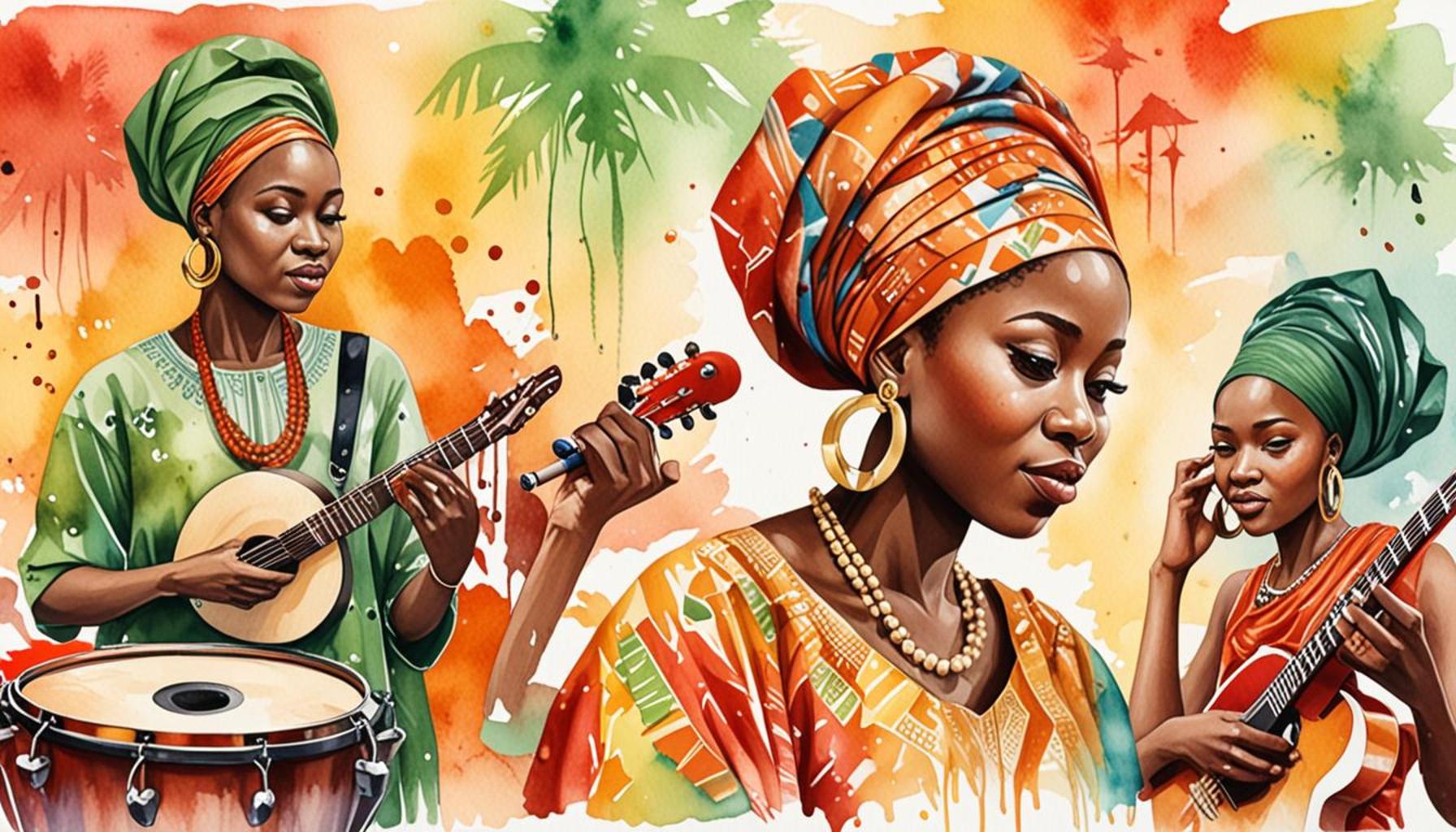
The Magic of Urban Legends: How Local Stories Can Inspire Writers
Understanding the Impact of Urban Legends
Across the world, urban legends weave a tapestry of cultural stories that spark intrigue and imagination. In Nigeria, these tales often blend folklore with modern realities, igniting the curiosity of both adults and children alike. The connection to these narratives can not only entertain but also inspire a new wave of storytelling. Urban legends serve as a reflective mirror, showcasing societal fears, aspirations, and norms that resonate with individuals across generations.
What makes urban legends particularly compelling? Consider these elements:
- Relatability: Stories that resonate with local communities often highlight shared experiences. Nigerian urban legends frequently speak to universal themes such as love, betrayal, and revenge, while incorporating local elements that make them distinctly Nigerian. For example, tales about ghostly figures appearing at busy bus stops in Lagos tap into the daily experiences of commuters, making them relatable and visceral.
- Mystique: Many legends focus on supernatural occurrences or enigmatic figures that pique curiosity. The stories of the Ojuelegba ghost, rumored to appear at night near the infamous Ojuelegba Bridge, captivate audiences with their mysterious and spooky nature, entwining fear with fascination.
- Identity: Urban legends often embody cultural values and local quirks, contributing to a sense of belonging. Take the story of Agbadu, who is said to haunt regions known for their vibrant markets, reminding people of the importance of community and vigilance, especially when dealing with wealth and temptation.
Some of the most famous urban legends in Nigeria include tales that come with warnings — narratives of humans who, upon venturing too far into enchanted forests or crossing paths with suspicious characters, faced dire consequences. These cautionary tales resonate deeply, embedding social morals within their thrilling plots.
As we explore the allure of urban legends, the question arises: how can these captivating stories serve as a catalyst for creativity in writing? Writers who immerse themselves in these local narratives can not only breathe life into forgotten tales but also unearth rich archetypes and motifs relevant to contemporary audiences. Urban legends could act as powerful foundations for novels, films, or short stories, translating ancient wisdom into modern contexts.
In essence, the exploration of urban legends offers the opportunity to revive lost narratives while fostering a richer cultural landscape. By embracing and reshaping these stories, we can contribute to a vibrant narrative tradition that resonates with new generations, ensuring that these captivating tales continue to enchant and inspire.
SEE ALSO: Click here to read another article
Unlocking Creative Potential Through Urban Legends
Urban legends hold a unique power in the realm of storytelling. They forge connections between the past and the present, weaving a narrative thread that captivates both the local populace and the curious traveler. In Nigeria, these stories reflect a rich cultural heritage, inviting writers to take inspiration from the folklore that exists in their communities. By embracing these local tales, writers can tap into *themes of moral lessons, societal critiques, and deep-seated fears*, paving the way for innovative and engaging narratives.
To harness the creative potential of urban legends, writers can consider the following aspects:
- Revisionist Interpretation: Writers have the power to reinterpret ancient narratives for modern audiences. For instance, the story of the ‘Eyo’ festival in Lagos — intertwined with spirits and ancestral homage — could be reimagined in a contemporary setting, exploring themes of identity and cultural preservation amidst globalization.
- Cross-Cultural Fusion: Urban legends can serve as a base for blending various storytelling traditions. By combining Nigerian tales with global legends, writers can create a culturally rich narrative that appeals to wider audiences. Imagine a story weaving the tales of ‘Mami Wata’ with elements from the infamous ‘Chupacabra’ legend, exploring themes of fear and the unknown.
- Character Development: The figures that populate urban legends often embody archetypal traits. Characters such as the ‘busybody’ always looking for mischief or the ‘ndani’ ghost who protects secrets can be fleshed out into multi-dimensional figures in a literary work. Writers can explore the motivations behind these characters, leading to richer, more engaging stories.
To illustrate this point, let’s take a closer look at the legend of ‘The Lady in Red,’ said to haunt the streets of Port Harcourt. This captivating urban legend tells of a woman who met an untimely demise and now roams the roads seeking justice. Writers can tap into the psychological suspense inherent in this story, exploring themes of loss, vengeance, and the quest for truth. By delving deeper into her backstory, a writer can create a gripping narrative that connects with readers on an emotional level.
Furthermore, urban legends often resonate with moral undertones that serve as cautionary tales for modern society. The story of the ‘Nigerian witch’ who preys on unsuspecting victims can highlight societal issues of trust and betrayal. Writers can draw parallels between these legends and contemporary dilemmas, prompting readers to reflect on their own experiences and beliefs.
Ultimately, the magic of urban legends lies in their ability to inspire creativity and foster narrative innovation. By extracting themes, character archetypes, and moral lessons from these tales, writers can not only pay homage to their cultural roots but also create a body of work that speaks to the complexities of modern life. Embracing the enigmatic nature of these stories allows for a dynamic fusion of tradition and innovation, ensuring that these captivating narratives continue to resonate in the literary landscape.
| Category | Key Features |
|---|---|
| Cultural Significance | Urban legends encapsulate local traditions, showcasing cultural heritage. |
| Inspiration for Creativity | These stories stimulate imagination, providing rich narratives for writers. |
| Connection to Community | They foster a sense of belonging and shared experience among community members. |
| Character Development | Urban legends often contain moral lessons, influencing character motivations. |
| Plot Twists | They introduce unexpected turns, enhancing storytelling dynamics. |
Urban legends serve as rich sources of inspiration for writers, allowing them to tap into the cultural essence of a community. Each tale is steeped in local lore, echoing the traditions and beliefs of its origin. By weaving such narratives, writers not only craft engaging stories but also preserve the heritage of their locales.Furthermore, the characters found in these legends often embody universal themes, acting as conduits for moral lessons and prompting empathy among audiences. This intertwining of morality and narrative brings depth, prompting readers to reflect on their own lives. The unpredictability inherent to urban legends introduces compelling plot twists, making them ideal as storytelling devices. As writers explore these local anecdotes, they also foster a deeper connection with their communities, enhancing their work’s authenticity. Exploring urban legends not only enriches a writer’s portfolio but also ignites a passion to delve further into the mystique of local storytelling.
ADDITIONAL INSIGHTS: Expand your understanding here
The Enduring Relevance of Urban Legends in Modern Storytelling
As we delve deeper into the realm of urban legends, it’s important to recognize their enduring relevance in shaping contemporary narratives. Writers who embrace local folklore can find a treasure trove of inspiration within these tales, as they often serve as mirrors reflecting societal values, fears, and aspirations. For instance, the story of the ‘Kirikiri witches’ who allegedly hold clandestine meetings in the infamous Kirikiri Prisons can shine a light on issues surrounding justice, criminality, and societal perceptions of those incarcerated. Writers have the opportunity to explore the complexities of morality and redemption by reimagining these figures beyond mere caricatures.
In addition to societal critiques, urban legends also serve as powerful reminders of place and identity. Each region has its unique folklore that embodies the essence of its community, making these tales an avenue for writers to anchor their work in specific settings, enhancing the authenticity and relatability of their narratives. For example, the ‘Ogbunigwe’ legend, which speaks of an evil spirit said to haunt the forests of Igbo land, lends itself well to stories about the collision between tradition and modernity, allowing writers to explore how these themes manifest within their communities today.
- Visual Imagery: Urban legends paint vivid pictures that ignite the imagination. The imagery associated with tales such as the ‘Giant of Totoros’ — a creature reportedly lurking in the depths of the Niger River — can inspire writers to incorporate descriptive elements that create a sense of place and atmosphere in their stories.
- Exploration of Identity: Many urban legends delve into the local psyche, portraying struggles with heritage and identity. For example, the concept of ‘Juju’ as told in various urban legends can lead writers to explore the dichotomy of superstition and faith, encouraging narratives that grapple with individual and collective beliefs.
- Emotional Resonance: The emotional weight carried by urban legends can be a fertile ground for storytelling. The legend of ‘The Ghost of Aje-Ori’ — believed to protect the past and the land of those who have died — can evoke feelings of nostalgia, hope, and loss, allowing writers to explore complex emotional landscapes through their characters.
The allure of urban legends is not limited to their chilling narratives or moral lessons; they also foster a sense of community and shared experience. In Nigeria, where storytelling is an intrinsic part of cultural gatherings, urban legends often spark discussions about societal norms and shared fears. Writers can use these communal experiences to inform their work, creating stories that resonate on a deeper level with their audience. Themes of resilience in the face of adversity, as showcased in the tale of ‘Ogboni cult’s’ influence over ancestral connections, can be woven into modern narratives that aim to highlight the strength of cultural identity amid contemporary challenges.
Furthermore, urban legends allow writers to engage in a dialogue with their audience. By incorporating these age-old tales into their narratives, writers are not merely retelling stories, but also raising questions and challenging assumptions about their society. For instance, the eerie ‘Black Axe’ legend can serve as a backdrop to examine contemporary gang culture and its socio-economic implications, prompting readers to reconsider their perceptions of such phenomena.
Through the exploration of urban legends, writers can unlock new realms of creativity and connection. By reinterpreting local narratives, these writers not only preserve cultural histories but also enrich their storytelling with layers of meaning that speak to the heart of modern existence. Ultimately, the magic of urban legends is their ability to transcend time, enabling writers to weave narratives that are both deeply rooted in tradition and forward-looking, capturing the complexities of human experience in the ever-evolving landscape of storytelling.
ADDITIONAL INSIGHTS: Expand your understanding here
Embracing the Enchantment of Folklore
In conclusion, the magic of urban legends lies in their profound ability to inform, inspire, and enrich the craft of storytelling. Writers who delve into these local narratives tap into a rich tapestry of cultural heritage, shedding light on deeper societal issues while evoking emotional resonance. By embracing tales such as the ‘Kirikiri witches’ and ‘Ogbunigwe’, authors can challenge prevailing perceptions and foster discussions about identity, morality, and community values. These stories promote collective experiences, making them not just echoes of the past but relevant frameworks for understanding contemporary challenges.
The visual imagery and metaphorical depth present in urban legends provide fertile ground for creativity. Writers are invited to explore themes of superstition, heritage, and resilience, cultivating narratives that can bridge generational gaps while remaining relatable to modern audiences. This exploration fosters a unique dialogue that honors the rich oral traditions of Nigeria while also providing a platform for new interpretations.
Ultimately, urban legends serve as a source of enduring inspiration, encouraging writers to reimagine their stories with authenticity and relevance. As they weave these age-old tales into their narratives, writers not only preserve the cultural fabric of their communities but also resonate with the universe of shared human experiences. By recognizing the significance of urban legends, we can foster a literary landscape where tradition and innovation coexist, illuminating the magic that transforms local stories into powerful narratives that captivate the hearts and minds of readers today and in the future.