DIY Textile Crafts: Techniques for Creating Garments and Decor Using Fabric Scraps
Unlocking Creativity with Fabric Scraps
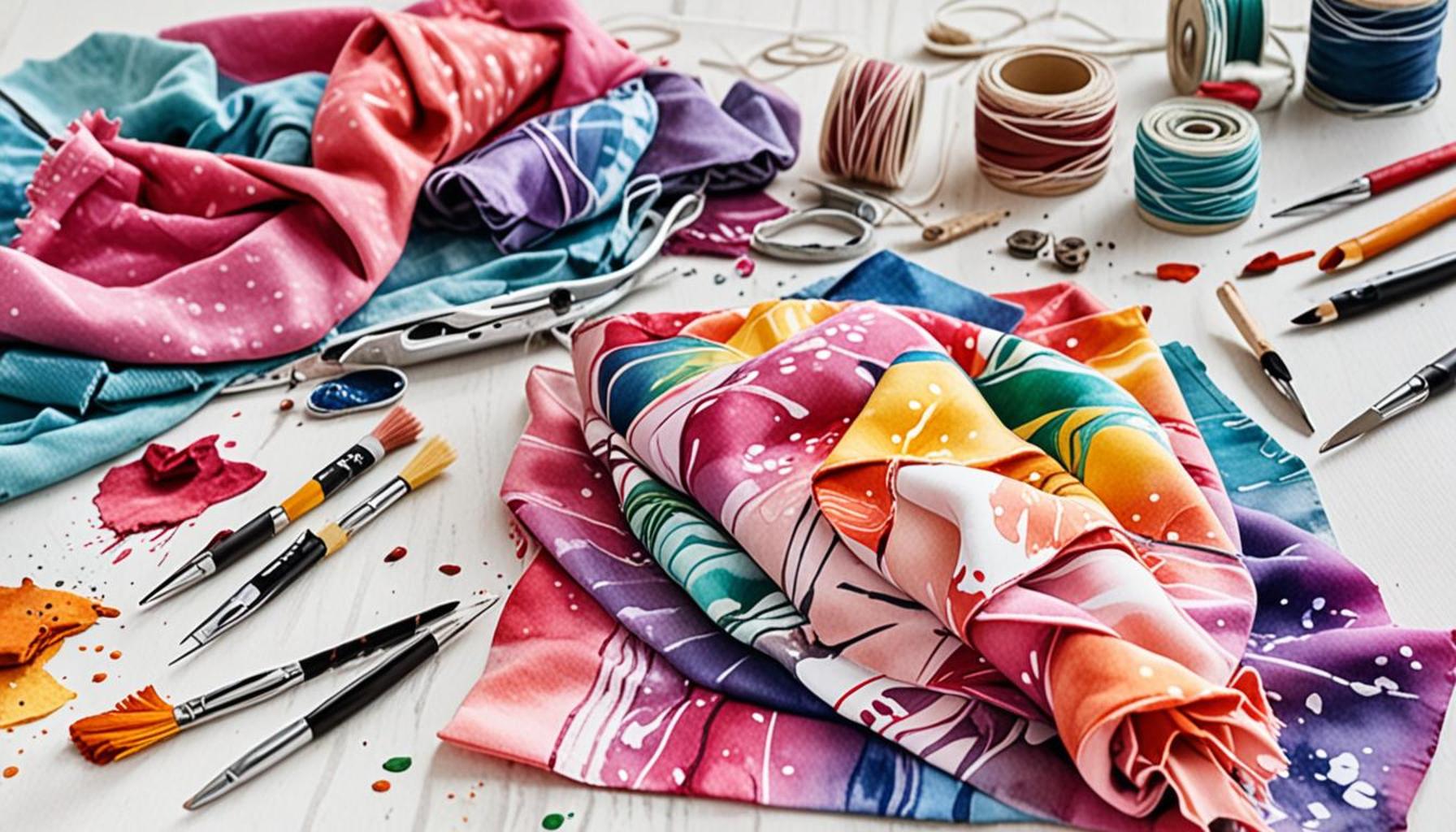
Every piece of fabric holds potential. Even small scraps can transform into unique garments and decor items, allowing you to express your creativity while promoting sustainability. In Nigeria, where textile traditions are rich, DIY textile crafts offer a way to blend modern innovation with cultural heritage. By reimagining what we consider waste, we can foster a more sustainable approach to crafting and enable a deeper connection with our cultural roots.
Why Embrace DIY Textile Crafts?
- Resourcefulness: Utilizing fabric scraps reduces waste and optimizes resources. This practice not only saves money but also encourages a mindset of sustainability. In a country where textile manufacturing is significant, embracing scraps means valuing every part of the fabric lifecycle.
- Personalization: Create one-of-a-kind pieces that reflect your style. Every creation becomes an extension of your personality, whether it’s a hand-sewn tote bag using pieces of brightly colored Adire or a patchwork skirt that tells a story of your style evolution.
- Skill Development: Gain valuable sewing and crafting skills that empower you. Engaging in DIY projects sharpens your technique, enhances your creativity, and can even lead to opportunities for entrepreneurship, as local markets increasingly appreciate handmade and bespoke items.
From tailoring clothes to designing home accessories, the possibilities are endless. Imagine reworking an old Ankara fabric into a stylish dress or crafting a vibrant pillowcase for your living room that adds a pop of color. Each project can ease you into the exciting world of fabric manipulation techniques that range from simple to advanced, nurturing both your skills and your artistic vision.
Consider These Techniques
- Patchwork: Combine various patterns for a unique textile statement. This technique allows you to blend fabrics of different colors and textures, creating stunning quilts, bags, or floor cushions. You can even incorporate traditional patterns from different Nigerian cultures, narrating stories through your pieces.
- Shibori: Experiment with dyeing methods to create stunning effects. Whether you opt for tying, folding, or stitching the fabric before dyeing, shibori can produce mesmerizing patterns that imbue your creations with a sense of originality and artistic flair.
- Quilting: Assembling layers of fabric for warmth and design. This technique not only results in beautiful quilts but also serves practical purposes in the local context, where handmade quilts can offer comfort during the cooler months or become cherished gifts.
Join the movement of harnessing creativity through scraps, and discover the diverse potential of fabric in your hands. With every stitch and design, you’re not just creating; you’re preserving cultural identity and contributing to a sustainable future. Ready to dive in?
CHECK OUT: Click here to explore more
Exploring Fabric Manipulation Techniques
Embracing DIY textile crafts is more than just a creative outlet; it’s a journey into the heart of resourceful artistry. In a world increasingly conscious of sustainability, the technique you adopt can play a pivotal role in how you repurpose your fabric scraps. From incorporating traditional designs to innovating new styles, the fabric manipulation techniques are as varied as the textiles themselves. Here are some cherished methods to consider as you embark on your crafting adventure:
Essential Techniques to Get You Started
- Patchwork: A beloved technique that has stood the test of time, patchwork invites you to piece together different fabric scraps into one cohesive design. In Nigeria, this is a brilliant way to pay homage to the diverse array of cultural patterns available, from the intricate designs of Aso Oke to the vibrant hues of Ankara. Whether you choose to create a stunning quilt or a striking tote bag, each patch is a fragment of your narrative, celebrating textures and colors in a unique way.
- Appliqué: This method involves sewing a piece of fabric onto another to create designs or patterns. Using this technique, you can add embellishments to garments or home decor items, significantly enhancing their aesthetic value. Imagining an old tunic revitalized with an ornate appliqué featuring traditional symbols embodies both creativity and cultural pride.
- Shibori: Dive into the ancient art of fabric dyeing where you can manipulate textiles to achieve stunning patterns. The practice of folding, twisting, or binding before dyeing allows for captivating designs. Employing natural dyes from indigenous plants like hibiscus can create unique pieces that stand as artworks in their own right, expressing vibrant culture through color.
- Quilting: Not only does quilting provide warmth and beauty, but it also serves as a profound storytelling mechanism. Layering fabric scraps into quilts is an efficient way to utilize leftover fabric, making each quilt a cherished keepsake that resonates with personal history. In Nigerian communities, these quilts can also bridge generations, reflecting both past traditions and contemporary styles.
- Fabric Collage: This avant-garde technique encourages the free-form assembly of various fabric pieces into intricate designs. With fabric collage, you can clone a canvas, allowing your creativity to roam wild. Think about combining netting, lace, and cotton for a one-of-a-kind wall hanging that captures the eclectic spirit of your home.
As you explore these varied techniques, each project becomes a canvas for self-expression and innovation. The joyous realization that everyday materials can weave together stories, memories, and cultural significance will enrich your crafting experience. Whether you’re sewing a dress, making a decorative pillow, or crafting a gift for a loved one, your efforts contribute to a larger conversation about sustainability and creativity in Nigerian textile art.
| Advantages | Descriptions |
|---|---|
| Eco-Friendly Practices | Promotes sustainability by reusing fabric scraps, reducing waste, and minimizing environmental impact. |
| Cost-Effective Solutions | Makes crafting affordable by utilizing leftover materials, allowing for creativity without breaking the bank. |
| Customization | Fosters personal expression through unique pieces that reflect individual style and preferences. |
| Skill Development | Enhances sewing abilities by experimenting with different techniques, boosting confidence in crafting skills. |
In the world of DIY textile crafts, utilizing fabric scraps is not just a trend; it’s a responsible choice that brings forth a myriad of advantages. Those embracing these methods discover invaluable eco-friendly practices that significantly contribute to sustainability. By repurposing materials that would otherwise end up in landfills, crafters engage in environmentally conscious behavior.Additionally, DIY textile crafts are highly cost-effective. With fabric scraps at your disposal, the need for expensive materials diminishes, allowing creative individuals to craft stunning garments and decor without financial strain. Moreover, these projects empower crafters to express their personal style through unique creations that are truly one-of-a-kind.Lastly, engaging in these textile techniques not only serves a functional purpose but also enhances one’s crafting skills. Each project presents an opportunity to explore new methods, ultimately leading to increased confidence and proficiency in sewing and design. This growth transforms the crafting experience from merely functional to a source of joy and accomplishment. Dive into the world of DIY textile crafts and unveil the potential hidden within every scrap!
YOU MAY ALSO LIKE: Read read another article
Advanced Techniques for Textile Transformation
As you progress in your DIY textile crafts journey, embracing advanced techniques can significantly elevate your creations. By expanding your repertoire, you not only enrich the artistic quality of your garments and decor but also embody the spirit of innovation that defines contemporary Nigerian textile artistry. Below are some exceptional techniques that offer both challenge and excitement, allowing you to truly transform fabric scraps into stunning treasures.
Innovative Techniques to Elevate Your Craft
- Fabric Weaving: This traditional craft takes on a modern twist when you use strips of fabric scraps to create woven pieces. By utilizing a simple loom or even a handmade frame, you can produce exquisite fabric mats, wall hangings, or bags that resonate with a personal touch. Weaving allows you to experiment with colors and textures, and in Nigeria, you can reflect the rich heritage of cloth weaving while incorporating contemporary designs.
- Faux Sashiko: Originating from Japan, the Sashiko technique traditionally involves intricate hand-stitching in white thread over blue fabric. However, a faux version allows you to employ scraps creatively, overlapping them and sewing patterns with contrasting threads for a unique visual effect. This technique not only dresses up clothing but also provides a modern interpretation of cultural storytelling through textiles.
- Fabric Flowers: Create stunning embellishments by crafting fabric flowers from scraps. These can serve as adornments for clothing, headbands, or wall decorations. By exploring different techniques such as pleating and folding, you can simulate the delicate beauty of real blooms. This craft allows for tremendous creativity; imagine a gathered chiffon flower donned on a vibrant Ankara dress, adding a burst of personality.
- Reverse Appliqué: A unique twist on the standard appliqué, reverse appliqué involves layering different fabric pieces and cutting away the top layers to reveal the base layer underneath. This technique creates depth and texture in the design, allowing you to play with colors and patterns. In Nigeria, this technique can be utilized to highlight traditional fabrics, adding a fresh perspective to contemporary outfits.
- Felted Fabrics: With a bit of moisture and friction, you can transform fabric scraps into felted materials. This technique creates a warm, sturdy fabric that can be used for a variety of products, from bags to cozy home decor items. Using local textiles, you can maintain a connection with Nigerian culture while also innovating your designs. Felted pieces feel personal and provide tactile warmth, making them excellent gift options.
Each of these techniques invites exploration and experimentation, encouraging you to step out of your comfort zone. As you dive deeper into the realm of fabric manipulation, you may discover your signature style, one that resonates with your artistic vision. The beauty of these craft techniques lies in their ability to not only repurpose discarded materials but to convey stories, celebrate heritage, and foster a practice grounded in sustainability.
CHECK OUT: Click here to explore more
Conclusion: Embracing Creativity and Sustainability in Textile Crafts
In the vibrant world of DIY textile crafts, upcycling fabric scraps into garments and decor is not just a creative endeavor; it is a celebration of culture, sustainability, and innovation. As we explored various techniques, from fabric weaving to reverse appliqué, it becomes evident that artisans can harness their skills to transform remnants into beautiful, functional pieces that tell a story. Each technique offers a unique pathway for personal expression, allowing crafters to integrate local textiles with contemporary designs, which resonate deeply within Nigerian artistry.
Moreover, engaging in these crafts contributes to a broader movement of sustainability, as creators find value in what might otherwise be discarded. The act of repurposing fabric aligns with the global call to minimize waste and promote eco-friendly practices. By incorporating these methods into daily life, individuals not only enhance their handmade wardrobe and home decor but also advocate for a more sustainable future.
As you embark on or continue your journey in DIY textile crafts, remember that every fabric holds potential. Challenge yourself to explore beyond conventional uses and dive into advanced techniques that push the boundaries of your creativity. Ultimately, the beauty of textiles lies in their ability to connect us, convey our histories, and inspire future generations. So gather your fabric scraps and let the adventure begin; your next masterpiece awaits just around the corner.