Exploring New Musical Genres: The Experience of Learning an Instrument
Exploring Nigeria’s Diverse Musical Landscape
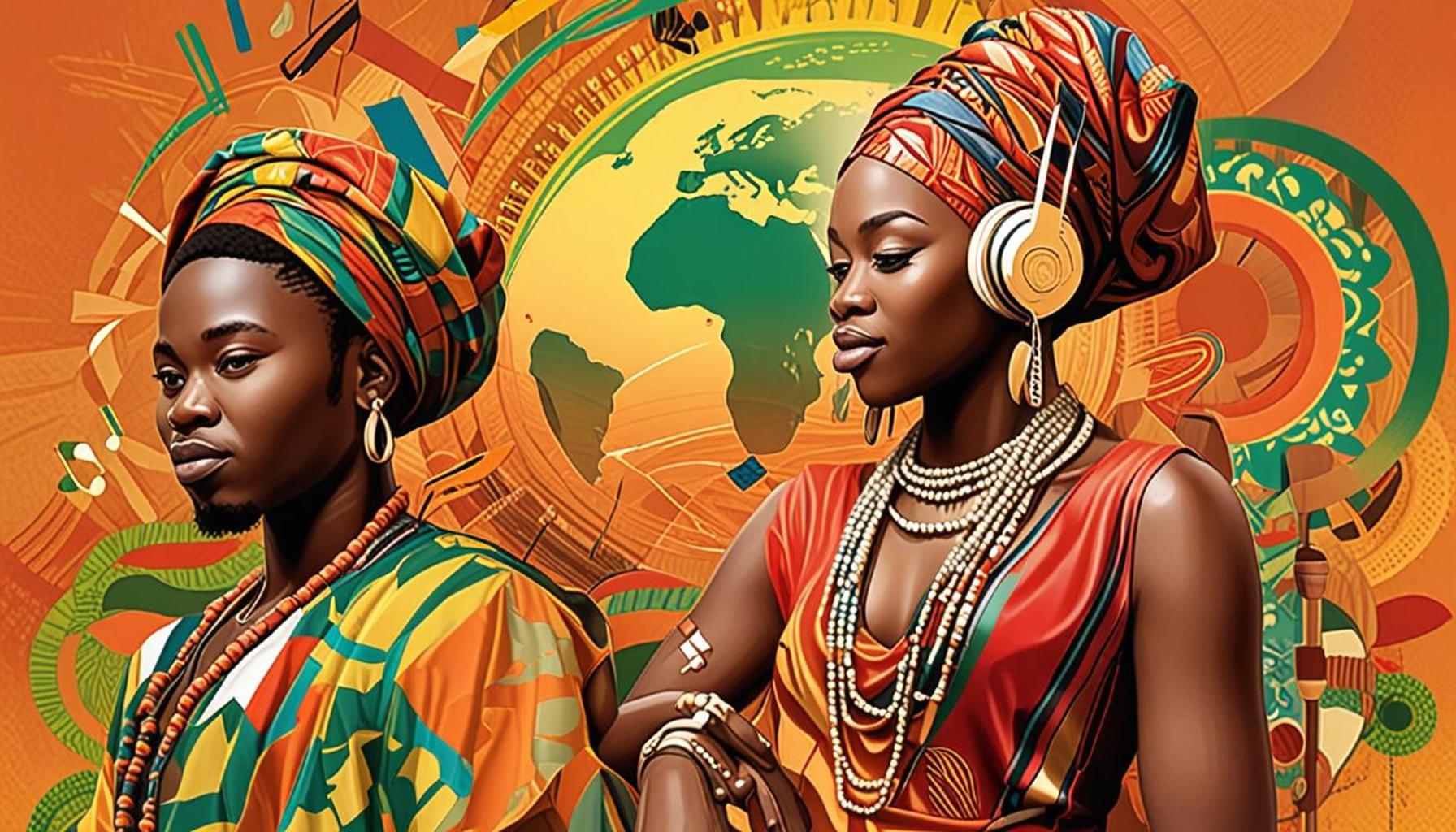
Music is a powerful force that connects people across different cultures and backgrounds. In Nigeria, this connection is vividly illustrated through an array of musical genres that celebrate the nation’s rich tapestry of cultures. Each genre serves not only as a form of entertainment but also as a vessel for storytelling and emotional expression. When you decide to learn a new musical instrument, you are not just picking up a skill; you are embarking on a journey filled with cultural discovery and personal growth.
As you delve into the myriad styles of Nigerian music, you will encounter:
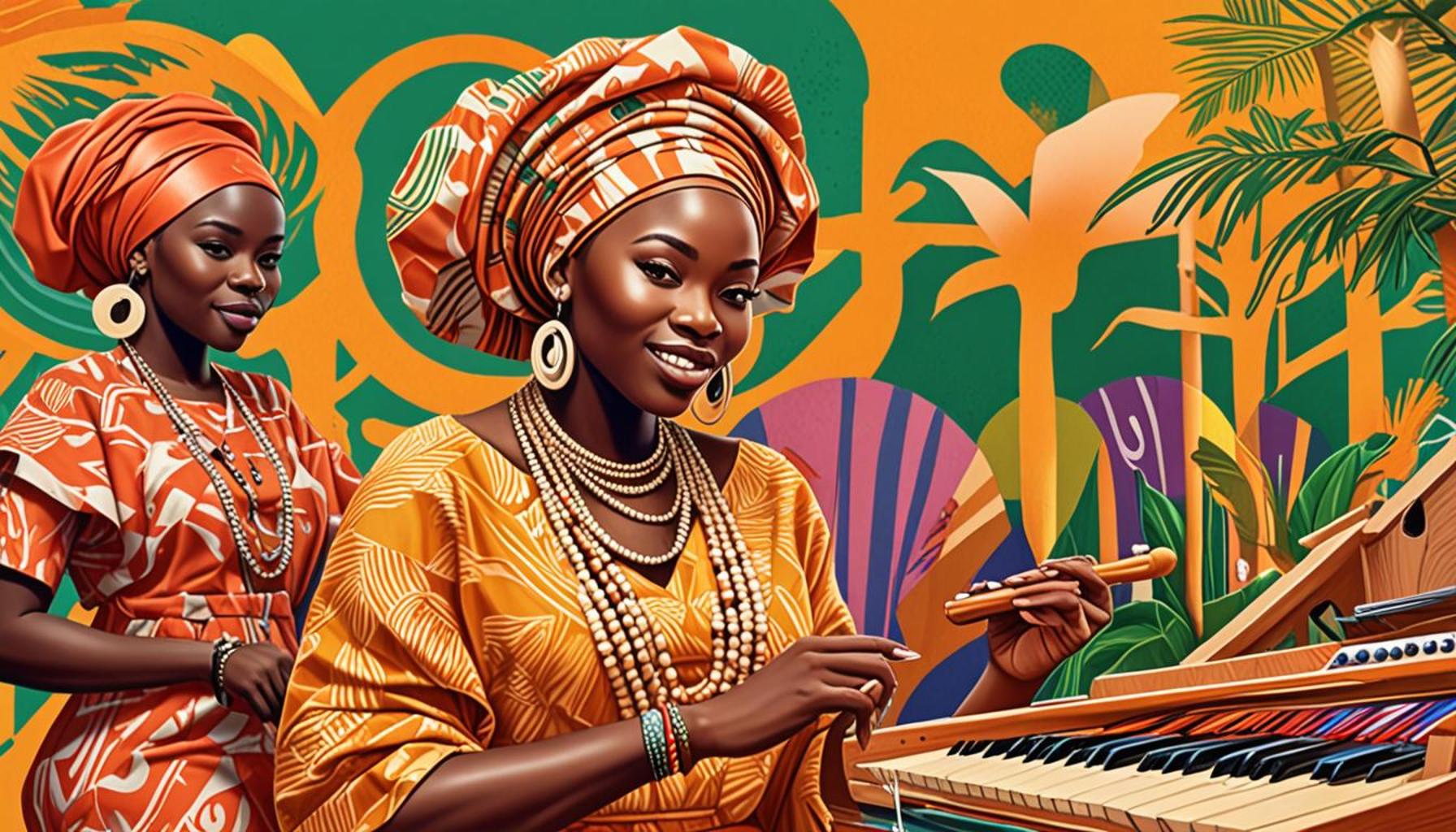
- Afrobeats – This genre, characterized by its upbeat and infectious rhythms, combines elements of traditional African music with hip-hop and funk. Artists like Burna Boy and Wizkid have popularized Afrobeats globally, and learning to play instruments like the keyboard or drums opens up a world of dynamic dance rhythms and energetic performances.
- Highlife – Originating from Ghana but flourished in Nigeria during the late 20th century, Highlife merges Western jazz influences with traditional melodies. Instruments like the guitar and saxophone play vital roles in creating rich, layered sounds that invite listeners to reminisce about cultural traditions and modern life.
- Traditional Yoruba music – This genre is steeped in history and often accompanies important rituals, celebrations, and storytelling. Instruments such as the talking drum or shekere are integral to this genre and learning them can immerse you in the traditions of the Yoruba people, revealing ancient proverbs and legends.
What makes the journey of learning an instrument particularly rewarding is the opportunity for collaboration. Engaging with fellow musicians paves the way for creativity to flourish. Whether you are effortlessly strumming a guitar or skillfully playing the talking drum, each practice session can unfold opportunities for:
- Cultural connections – Music brings together diverse communities, often transcending language barriers. Collaborating in communal music sessions or festivals fosters unity and shared experiences.
- Cognitive benefits – Numerous studies have shown that playing an instrument enhances brain function. It improves memory, sharpens concentration, and encourages problem-solving skills, contributing significantly to personal development.
- Personal growth – Facing the challenges of mastering a new instrument cultivates resilience and patience, traits that extend beyond music into all areas of life.
As you navigate through the realm of instruments and explore different genres, the lessons you learn are profound. The experience is not solely about producing sound; it’s about forging connections with history, culture, and people. Each note you play can lead to a greater understanding of Nigeria’s musical heritage, making the process a vibrant and transformative adventure.
CHECK OUT: Click here to explore more
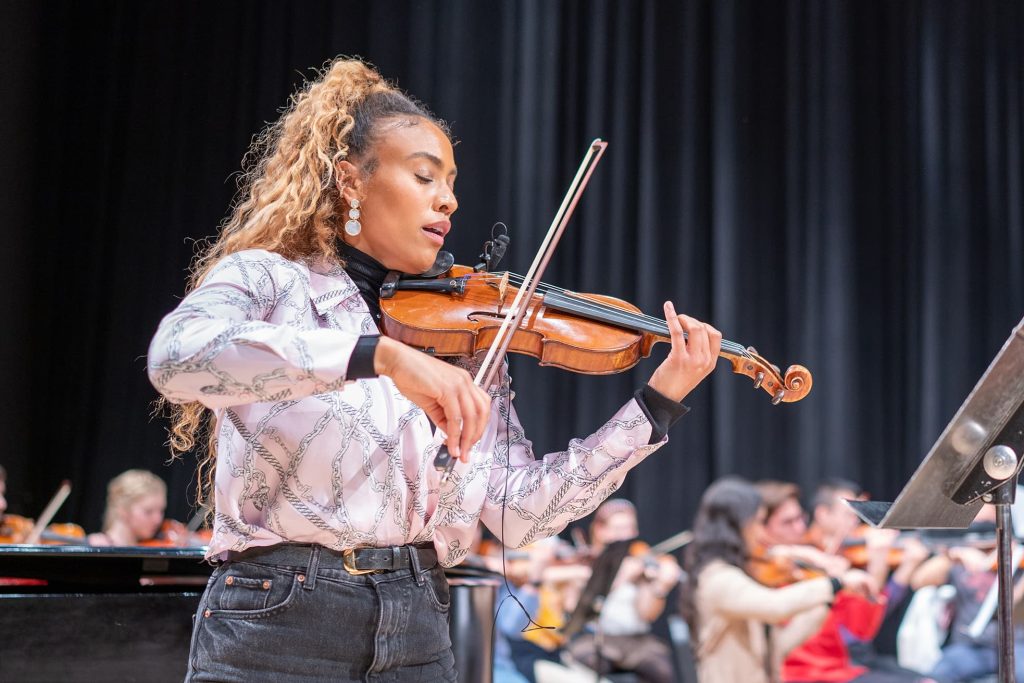
Embracing the Journey of Instrument Learning
Learning an instrument can be a transformative experience, particularly in a country as musically rich as Nigeria. Each strum, beat, or note connects you not just to the instrument itself, but also to the multiple genres that flourish within the country’s vibrant cultural landscape. Whether you choose to play the guitar, saxophone, or the talking drum, the journey of mastering these instruments is as rewarding as it is enlightening.
As you embark on this musical voyage, several factors come into play that enrich your learning experience:
- Exploration of Rhythm and Melody – Each genre has its unique characteristics that influence the way instruments are played. For instance, mastering the intricate rhythms of Juju music may entice you to hone your skills on the talking drum. In contrast, while exploring Gospel music, the piano or organ may become your primary focus, allowing you to blend melodies with soulful lyrics.
- Understanding Cultural Contexts – Learning to play an instrument becomes an inroad into the cultural narratives and historical contexts behind each genre. Imagine strumming chords while learning about the origins of Highlife music in pre-colonial Nigeria or understanding how Afrobeats have redefined pop culture across continents. Each strum resonates with stories waiting to be discovered.
- Networking and Community Engagement – Music learning extends far beyond the solo experience; it’s inherently social. Whether sharing a stage at a local festival or collaborating with others in a band, learning an instrument promotes a sense of belonging within communities. Many Nigerian cities host vibrant music scenes where aspiring musicians gather to learn from one another, share techniques, and inspire creativity.
The exploration of new musical genres through instruments offers an educational yet enjoyable journey. Contrary to the notion that music is only about performance, it is also about improvisation, composition, and collaboration. As you experiment with different genres, you may find yourself creating original pieces that blend traditional sounds with modern influences. This fusion not only allows for personal expression but also serves to honor the rich musical heritage from which it derives.
Finally, engage in the challenges that learning a new instrument presents. From finger exercises for the guitar to mastering the breath control needed for the saxophone, overcoming obstacles on your path to mastery shapes resilience. This personal growth lingers beyond the realm of music, equipping you with skills applicable in various facets of life.
In navigating through the vast ocean of Nigeria’s musical genres, mastering an instrument is not merely a technical skill but an ongoing cultural dialogue. Each genre offers a lens through which to view society, art, and history, encouraging you to evolve as both a musician and an individual.
While embarking on the journey of learning a new instrument opens up numerous avenues for musical exploration, there are specific advantages to diving into various musical genres. This section highlights some key benefits associated with diversifying your musical experience through instrument learning.Firstly, engaging with different musical genres broadens your understanding of music theory and composition. Each genre, whether it’s jazz, classical, rock, or folk, has its distinctive structures and guidelines. By learning and practicing various styles, you enhance your musical versatility and improve your improvisational skills. This exposure helps musicians develop a more robust musical vocabulary, allowing for richer self-expression and creativity.Moreover, embracing diverse genres can also foster cultural appreciation. Music is highly reflective of the societal influences and historical contexts from which it arises. By exploring styles like Afrobeat, Indian classical music, or bluegrass, learners are not only acquiring musical skills but are also gaining insights into other cultures and their respective histories. This cross-cultural engagement can cultivate empathy and respect, which is a crucial benefit beyond music creation.Additionally, the process of learning an instrument within various musical frameworks can provide a strong sense of community. Joining bands, ensembles, or music groups that specialize in particular genres often leads to friendships and collaborations that can last a lifetime. The shared experiences in rehearsals, performances, and musical discussions encourage personal growth while strengthening social bonds.Lastly, engaging with different genres reveals various techniques that can be beneficial for mastering an instrument. For instance, the fingerpicking style in folk music can greatly improve hand coordination, while the rhythmic complexity in jazz can enhance timing and dynamic control. Each genre presents unique challenges that can motivate and inspire learners to push their boundaries.By embracing this multiplicity of musical experiences, aspiring musicians can nurture a deeper connection to their passion and enhance their overall musicality. The transformative power of learning an instrument extends beyond mere technical skill; it opens up a world rich in emotional resonance, community, and lifelong learning.
YOU MAY ALSO LIKE: Read read another article
Unlocking Creativity Through Instrument Learning
The significance of learning an instrument extends beyond simply acquiring musical skills; it unlocks a gateway to creativity and self-expression. Each stroke of the bow on a violin, every note played on a keyboard, and every beat struck on a drum can unveil a unique artistic voice. This creative process encourages experimentation, allowing you to discover not just how to play, but who you are as a musician.
As you delve deeper into your chosen instrument, the opportunity to collaborate with fellow musicians becomes a vital aspect of your learning journey. Collaboration is not just about making music; it fosters an environment where ideas are shared, expanding your understanding of various genres. You might find yourself jamming with a friend on the guitar while they improvise a Afrobeat rhythm. These spontaneous moments not only enhance your technical abilities but also encourage you to break free from the confines of structured practice, nudging you towards spontaneous creativity.
Moreover, the technological advancements in music education play a crucial role in learning new genres. With online platforms offering tutorials, interactive lessons, and forums for feedback, aspiring musicians in Nigeria have unprecedented access to diverse musical styles from around the globe. Imagine accessing lessons on Hip-Hop beats by acclaimed Nigerian producers while simultaneously learning about the historical significance of traditional Wazobia music. This blending of styles can enrich your musical palette, equipping you with tools to experiment and possibly create groundbreaking fusions.
Another fascinating aspect of instrument learning is its capacity to boost emotional intelligence. Engaging with music often evokes a spectrum of emotions and experiences that can facilitate deeper connections not only to the genre but also to the audience. For instance, playing Griot music on an acoustic guitar could allow you to explore narratives that resonate with your community’s struggles and celebrations. This emotional engagement enhances your performance, creating a bond between the musician, the instrument, and the listeners.
Additionally, in Nigerian cultural contexts, music often serves as a medium for storytelling. By learning traditional instruments like the shekere or xylophone, you find yourself not merely learning an instrument but also absorbing the stories and lessons embedded within the songs. The ability to narrate a tale through rhythmic beats or melodic sequences not only contributes to your personal growth but also embraces the essence of preserving cultural heritage.
As challenges arise on the path of mastering an instrument, they often manifest in the form of plateaus in skill development or the frustration of achieving a particular sound. These moments serve as crucial learning experiences that hone your perseverance. Each setback is an opportunity for critical reflection and adaptation. As you learn to navigate these challenges, you cultivate a mindset that values growth, paving the way for continuous improvement well beyond the realm of music.
In this immersive journey through Nigeria’s rich tapestry of musical genres, learning an instrument transforms into an enriching experience that shapes not only your musical abilities but also your identity and interpersonal connections. Being part of this vibrant cultural scene invites you to continuously explore, innovate, and engage, fostering a deeper appreciation for the diverse sounds that define Nigeria’s musical legacy.
CHECK OUT: Click here to explore more
Wrapping Up the Journey of Musical Exploration
In conclusion, exploring new musical genres through the experience of learning an instrument is an adventure that transcends mere notes and rhythms. This journey cultivates a newfound appreciation for the rich diversity of sound that different styles offer, and it promotes a deeper understanding of cultural narratives, especially within the context of Nigeria’s vibrant music scene. Each moment spent practicing, collaborating, or improvising not only hones technical skills but also enriches your emotional intelligence and personal identity as a musician.
As you embrace the flavors of various genres—be it Afrobeats, Hip-Hop, or even the timeless echoes of traditional folk music—you gradually carve out your unique sound, contributing to the musical fabric of your community. The seamless blend of technology and music education available today enables aspiring musicians to tap into resources and influences they may never have encountered otherwise, making the learning process more exciting and accessible than ever before.
The challenges faced along the path of musical mastery should be viewed as stepping stones rather than setbacks. They foster resilience and promote a growth mindset that extends beyond music to life itself. Therefore, as you continue to learn and experiment, remember that every note played is a contribution to a much larger conversation—a sonic tapestry that invites every individual to share their voice.
Embarking on this musical journey is an invitation to not only develop your skills but to also engage deeply with the cultural stories around you. Through embracing new musical genres, you participate in a collective heritage that evolves with each generation, shaping the future of music in Nigeria and beyond. So, pick up that instrument, explore those genres, and let your unique musical voice resonate.