Exploring Nigerian Folk Music: Preservation and Innovation through Musical Creation
The Essence of Nigerian Folk Music
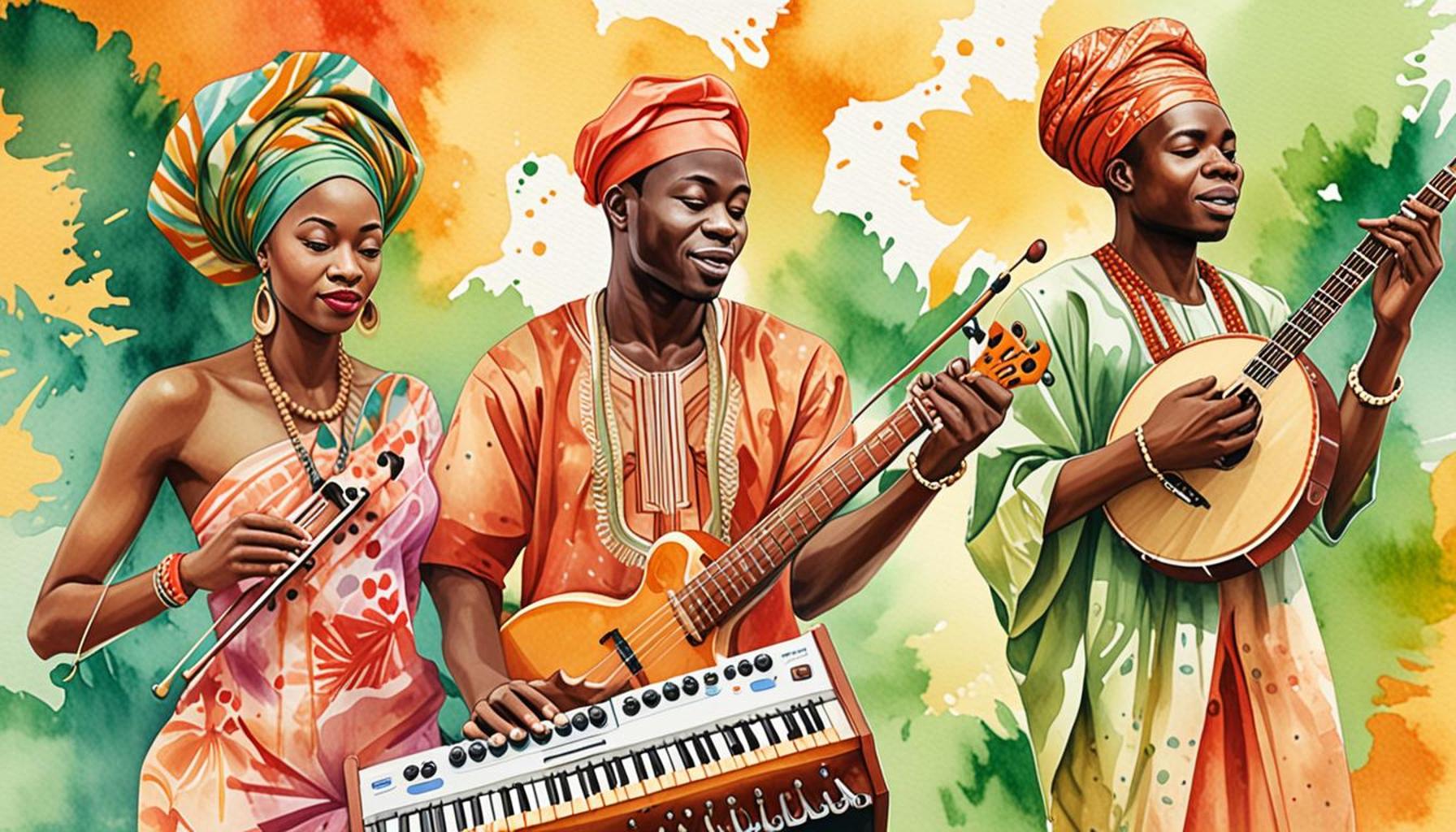
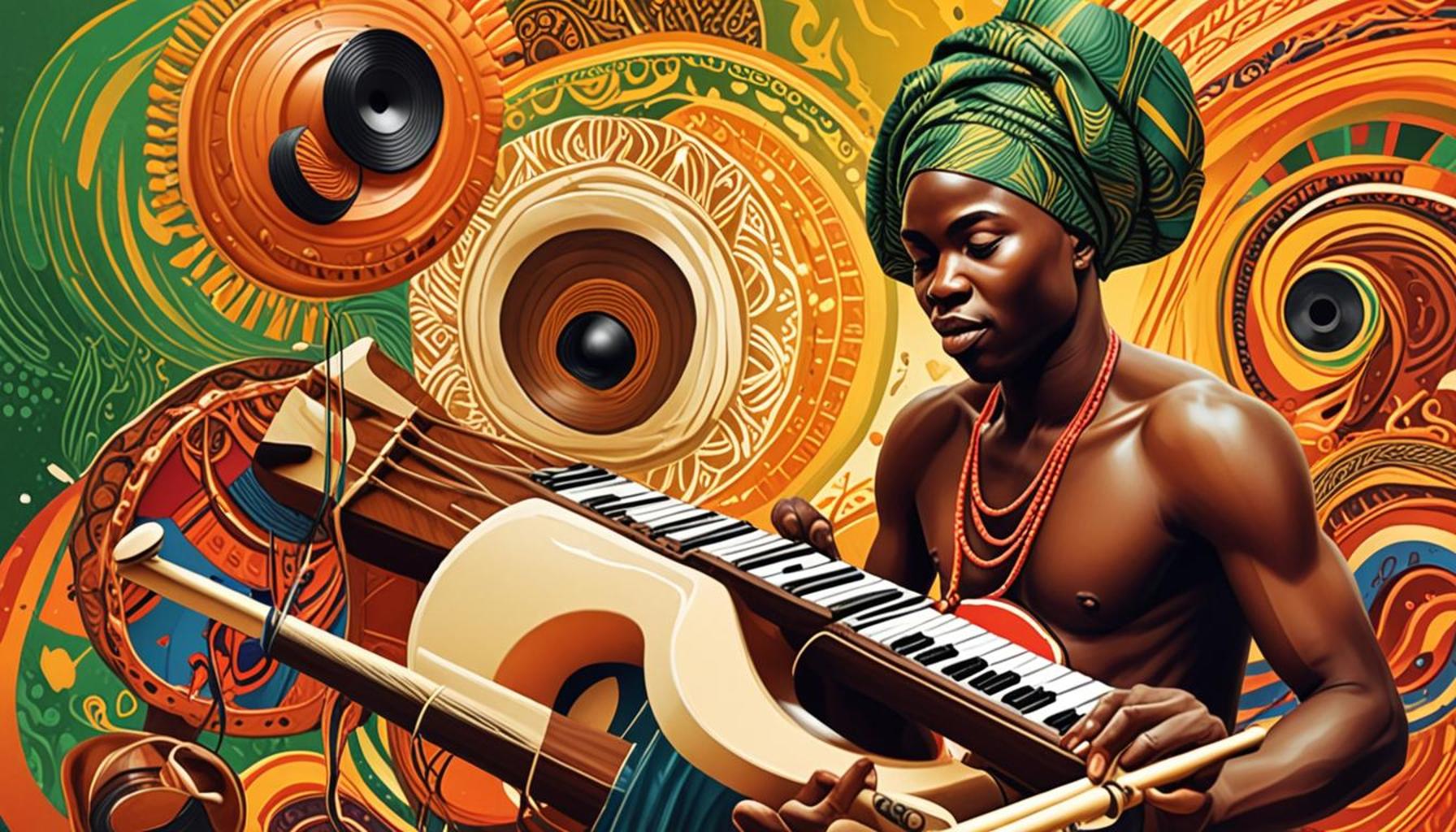
Nigerian folk music is an intricate tapestry woven from the diversity of the nation’s cultures, languages, and traditions. Each ethnic group contributes its unique sound, instruments, and narratives, resulting in a rich musical heritage that reflects the history and values of the people. This genre not only entertains but serves as a vital channel for transmitting cultural identity and collective memory, making it a cornerstone of social cohesion and pride.
Traditional Instruments
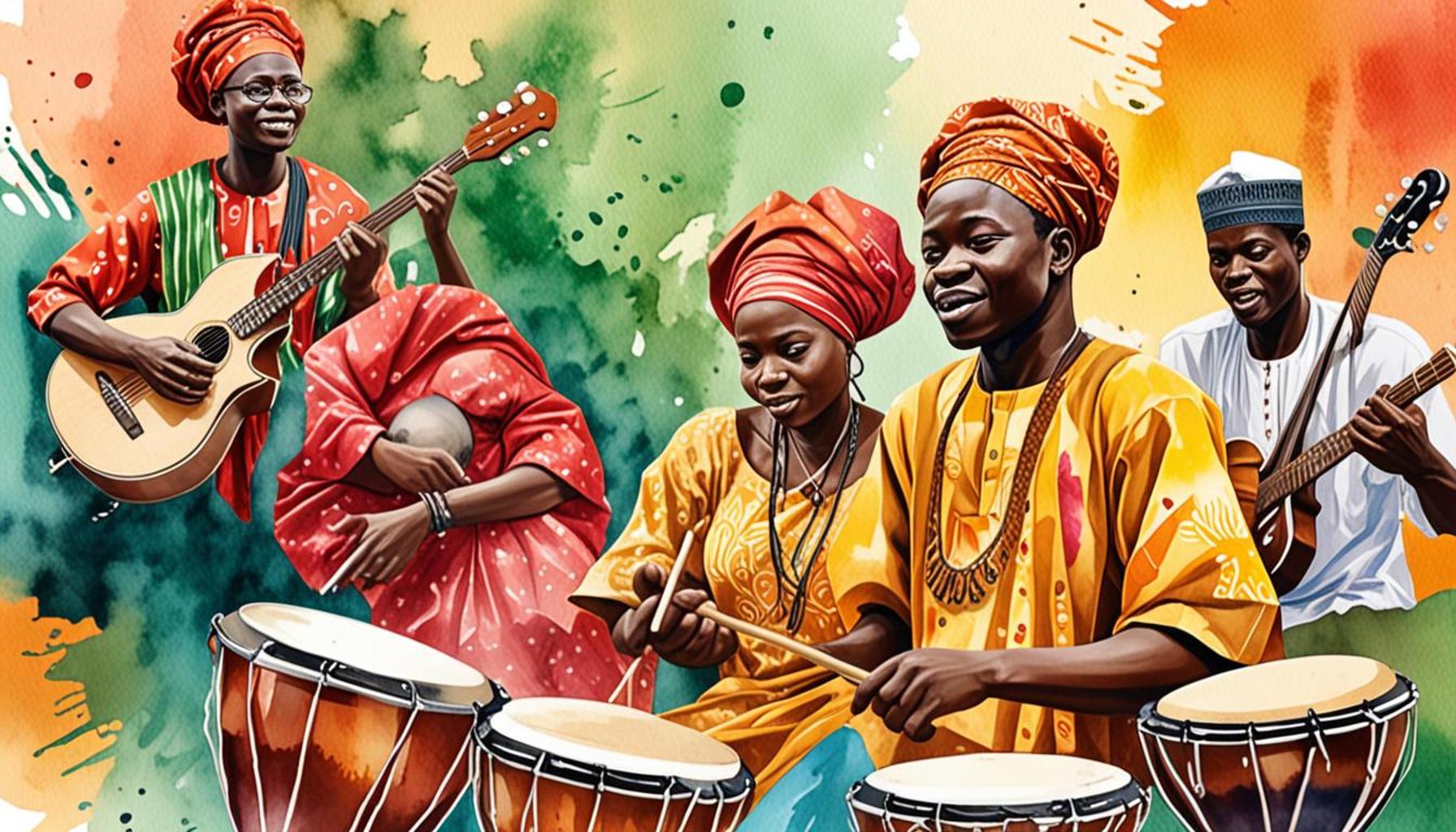
At the heart of Nigerian folk music are its distinctive musical instruments. The talking drum (dùndún) is perhaps one of the most iconic, its shape and ability to mimic human speech are often used to convey messages during ceremonies, celebrations, and storytelling sessions. Similarly, the shekere, a percussion instrument made from a gourd covered with a net of beads, provides an intricate rhythm that complements vocal performances. Other instruments like the ogene and udu further enrich the auditory experience, creating a layered, vibrant soundscape that captivates listeners.
Cultural Narratives
The lyrical content of Nigerian folk music is steeped in cultural narratives. Songs often recount historical events or convey moral lessons, weaving tales of love, struggle, and triumph that resonate across generations. For instance, the folk epic of the Yoruba people, which includes legends of deities and ancestral heroes, reflects the community’s values and teachings. Folk songs are also essential during festivals and rites of passage, where they reinforce communal bonds and impart wisdom.
Regional Diversity
Nigeria’s ethnic diversity is mirrored in its folk music. The sounds of the Yoruba, Igbo, and Hausa are only the tip of the iceberg; even smaller ethnic groups have unique musical styles. For example, the indigenous rhythms of the Efik people from Cross River State often accompany traditional dances and festivals, showcasing their distinct characteristics and stories. As such, each region adds its local flavor, resulting in a vibrant mosaic of musical expressions across the country.
Preservation and Innovation
As globalization permeates the world of music, contemporary artists are emerging as vital conduits for both the preservation and innovation of folk traditions. Musicians like Angelique Kidjo from Benin and Nigeria’s Omawumi have been instrumental in blending traditional elements with genres such as Afrobeats and hip-hop, attracting a global audience while staying true to their roots. Through collaborations and fusions, they have breathed new life into folk music, exposing it to younger generations who may not have otherwise engaged with these rich traditions.
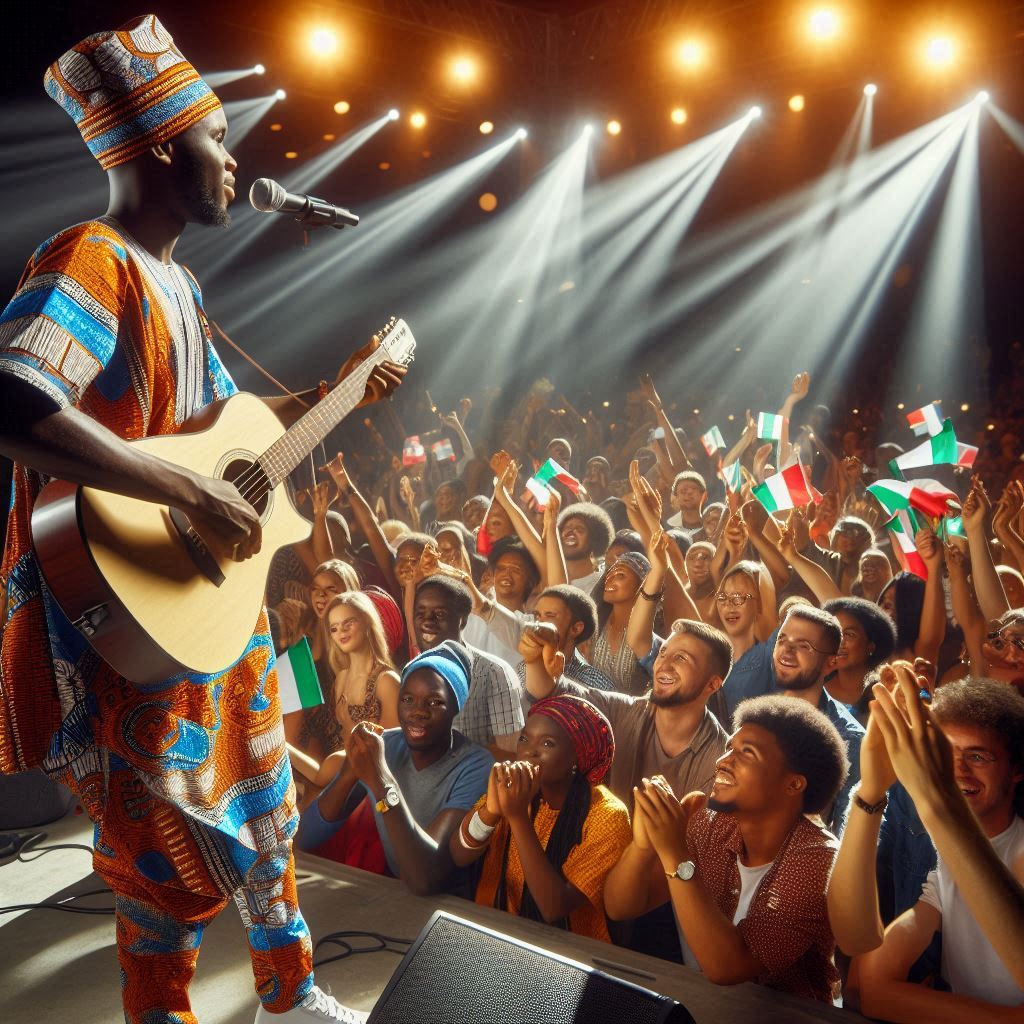
This dynamic interplay between authenticity and modernity not only honors Nigeria’s past but also propels its musical future, ensuring that the stories and sounds that define the nation’s identity remain alive and vibrant. Exploring the world of Nigerian folk music reveals layers of cultural significance and artistic expression, making it an essential area of study and appreciation for both locals and global audiences alike.
ADDITIONAL INSIGHTS: Expand your understanding here
Bridging Past and Present
Nigerian folk music stands at a crossroads where tradition meets innovation, and the exploration of this genre reveals much more than mere melodies and rhythms. As the landscape of music evolves, the relationship between age-old practices and modern expressions becomes increasingly significant. The role of folk music in contemporary Nigerian culture not only highlights the importance of preservation but also opens the door for new interpretations and formats to emerge.
The Role of Education in Preservation
One crucial aspect of preserving Nigerian folk music is education. Schools and community programs play a vital part in teaching young people about their musical heritage. Initiatives that integrate folk music into the educational syllabus help instill a sense of pride and cultural awareness among students. Workshops and performances led by experienced musicians provide hands-on experiences, allowing the younger generation to immerse themselves in both the instrumentation and storytelling traditions that characterize Nigerian music.
Community Engagement and Events
Community events, such as traditional festivals and local concerts, serve as significant platforms for showcasing folk music. These gatherings foster a sense of belonging and communal spirit, as music becomes a shared experience that transcends age and background. Some notable events include:
- The Osun-Osogbo Festival: Celebrated annually in Osun State, this festival features folk songs and dances that celebrate the river goddess Osun, merging spirituality with musical expression.
- The Eyo Festival: Taking place in Lagos, this vibrant festival incorporates traditional music that pays homage to the spirit of the deceased while engaging the public in a rich cultural heritage.
- The Calabar Carnival: Known as one of Africa’s biggest street parties, the carnival showcases folk music in various forms, blending local sounds with contemporary influences.
By participating in and celebrating such events, communities not only keep the tunes alive but also adapt them to their current societal context.
Innovative Collaborations
As artists increasingly explore the fusion of folk music with global genres, fresh perspectives are sprouting that redefine cultural legacies. Collaborations between traditional musicians and contemporary artists are becoming more common, providing a unique opportunity to create hybrid sounds that resonate with both local and international audiences. Musicians like Seun Kuti and Yemi Alade exemplify this trend, blending funk, jazz, and R&B influences with traditional Nigerian folk elements, thereby enhancing the genre’s reach and relevance.
Such innovative approaches not only attract new listeners but also invite dialogues about identity, heritage, and the future of music in Nigeria. While some purists might argue against these blends, it is essential to recognize that evolution is an inherent aspect of any cultural form. Therefore, as Nigerian folk music continues to adapt and respond to contemporary influences, it thrives as a living testament to the nation’s dynamic cultural landscape.
Preservation through Community Engagement
Nigerian folk music is not just an auditory experience; it is a vital part of cultural identity and heritage. The community engagement in music practices is a fundamental tool for ensuring its preservation. Local musicians often rely on oral traditions to pass down songs and techniques, creating a living archive of knowledge. This dynamic exchange allows younger generations to learn and innovate, blending traditional styles with contemporary genres to resonate with today’s audience. By attending local performances and festivals, individuals can immerse themselves in the rich tapestry of sounds that define Nigerian folk music, thereby reinforcing the importance of cultural heritage.
Innovation through Fusion and Collaboration
As artists explore new dimensions in their musical expression, the traditional elements of folk music are enhanced through fusion and collaboration. Musicians are increasingly collaborating with artists from various genres, resulting in innovative forms that merge traditional beats with hip-hop, jazz, and pop influences. This fusion not only attracts younger audiences but also showcases the diversity of Nigeria’s rich musical landscape. Collaborations have led to global recognition, bringing Nigerian folk music to international platforms and encouraging a deeper appreciation for its roots.
Table: Advantages of Nigerian Folk Music
| Category | Details |
|---|---|
| Cultural Identity | Folk music serves as a strong link to cultural heritage, preserving traditions through generations. |
| Community Building | Engagement in local music fosters community ties and promotes collective identity. |
Through such endeavors, it becomes evident that Nigerian folk music is ever-evolving, merging the past with the present while ensuring that its essence remains intact. By embracing both preservation and innovation, this rich sonic tradition continues to thrive and inspire future generations.
SEE ALSO: Click here to read another article
Modern Media as a Preservation Tool
The advancement of technology and the rise of digital platforms have dramatically transformed the landscape of Nigerian folk music. Through the use of social media, streaming services, and YouTube channels, artists find new avenues to share traditional sounds with a global audience. These platforms not only facilitate the dissemination of folk music but also empower artists to build a digital presence that resonates with today’s youth. In this digital age, traditional music is not just confined to localized performances but has the potential to reach listeners halfway across the world, furthering its preservation and popularization.
Documentaries and Recordings
Another powerful means of preserving Nigerian folk music lies in the way it is documented. Production companies and independent filmmakers have increasingly turned their lenses towards the intricate tapestry of Nigeria’s musical heritage. Documentaries that delve into the life stories of renowned folk musicians, like Ayo Bankole or Sikiru Ayinde Barrister, highlight the richness of their contributions and the cultural narratives that inform their work.
Audio recordings and archival projects spearheaded by cultural organizations play a crucial role in capturing the authenticity of folk music. These recordings serve as historical resources, granting future generations access to the sonic textures that define their heritage. Organizations such as the Institute of African Studies at the University of Ibadan and the Nigerian Music Archive are key players in documenting and preserving these art forms, creating digital repositories for both scholarly research and public enjoyment.
Influence of Global Trends
The integration of global musical trends into Nigerian folk music also supports its survival and continual evolution. The emergence of genres like Afrobeats and the popularity of Nigerian artists internationally have fostered a sense of cultural pride while propelling traditional elements into contemporary music scenes. Collaborations with international stars, such as Burna Boy and Wizkid, who incorporate localized folk styles into their tracks, not only promote Nigerian culture globally but also invite broader interpretations of folk music as a dynamic, evolving genre.
Moreover, the blending of folk motifs with highly polished production techniques not only revitalizes traditional sounds but also appeals to the modern listener’s palate. This intersection creates a fertile ground for innovation, demonstrating that Nigeria’s rich musical traditions can thrive in new sonic environments without losing their core essence.
The Future of Nigerian Folk Music
In examining the future of Nigerian folk music, it becomes evident that a multi-faceted approach toward preservation and innovation is essential. As younger artists engage with their heritage, there is a pressing need for supportive ecosystems—such as grants, mentorship, and performance opportunities—that will allow traditional modes of expression to flourish alongside contemporary forms.
Furthermore, artists who uphold folk traditions while embracing new technologies can ensure that the sounds of Nigeria resonate within and beyond its borders. By fostering a culture of experimentation and embracing change, the next generation of musicians can weave the historical threads of their cultural identity into the fabric of the future, thereby enhancing the ongoing narrative of Nigerian folk music. This adaptability not only preserves the past but also augments the creative possibilities that lie ahead.
CHECK OUT: Click here to explore more
Conclusion
In wrapping up our exploration into Nigerian folk music, it becomes clear that this rich musical heritage stands at a pivotal crossroads of preservation and innovation. As we have seen, the advent of modern technology and global influences provides both challenges and opportunities for this traditional form of art. The use of digital platforms has not only breathed new life into traditional sounds but has also empowered artists to reach broader audiences, ensuring that these narratives do not fade into obscurity.
The efforts of cultural institutions and independent filmmakers play a crucial role in documenting and archiving this vibrant musical tradition, weaving together a rich tapestry of Nigeria’s identity. Documentaries and various audio projects serve as a bridge connecting past generations to future ones, allowing the authenticity of folk music to persist amidst changing times.
Moreover, the evolution brought about by integrating global trends transforms folk music into a contemporary expression of cultural pride. The unmistakable influence of genres like Afrobeats illustrates that traditional elements can harmonize with modernity, creating a compelling narrative of transformation. Each collaboration with globally recognized artists deepens the roots of Nigerian folk music on the world stage, emphasizing its relevance and continuing evolution.
As the future of Nigerian folk music unfolds, the nurturing of young artists through supportive ecosystems will be paramount. By embracing innovative practices while respecting traditional forms, the pulse of Nigeria’s music scene is set to thrive. Thus, as audiences, we are invited to witness this ongoing story of resilience, creativity, and cultural identity, encouraging a deeper appreciation for the sounds that echo the spirit of Nigeria.