The Influence of Nigerian Traditional Music on Modern Music Creation
Unpacking the Richness of Nigerian Sounds
Nigerian traditional music is not just a series of notes and rhythms; it is a profound expression of the nation’s cultural identity. The historic roots of Nigerian music can be traced back to ancient times, where it was used in rituals, ceremonies, and storytelling. This cultural depth remains vibrant today, as contemporary Nigerian artists blend traditional sounds with modern genres, creating a uniquely appealing auditory experience that resonates worldwide.
Key Features of Nigerian Traditional Music
- Instruments: A variety of distinct instruments define Nigerian traditional music. The talking drum, known for its ability to mimic human speech, is central to many performances. Other instruments like the shekere—a percussion instrument made with gourd and beads—add layers to rhythmical formations. The ogene, typically used in Igbo celebrations, also contributes to the vibrant soundscape, making traditional music both diverse and captivating.
- Rhythmic Patterns: The complexity of Nigerian traditional music is showcased through polyrhythms. These intricate patterns, often involving multiple overlapping rhythms, add a dynamic flair to modern compositions. For example, in afrobeats, artists adopt these traditional patterns, creating infectious grooves that make it difficult for listeners to resist dancing.
- Storytelling: At the heart of Nigerian music is an oral tradition steeped in storytelling. Lyrics often convey cultural tales, historical events, and moral lessons, bridging the past with contemporary themes. For instance, if you listen closely to songs by renowned musician Wizkid, you’ll find echoes of traditional narratives interwoven with modern day themes like love and resilience.
Notable figures like Fela Kuti revolutionized music by fusing the rhythms of highlife, juju, and later, afrobeats with elements of jazz and funk. This innovative mix has paved the way for a new generation of artists, such as Asa and Davido, who continue to draw from their roots while making waves on international stages.
Impact on Global Music Trends
- Collaboration: The global music landscape is increasingly embracing Nigerian sounds, evident in the numerous collaborations between local artists and international stars. For example, Burna Boy’s collaboration with Stormzy offers a refreshing blend of African beats and British rap, highlighting the cross-pollination of cultures.
- Cross-Cultural Influence: Songs like “Essence” by Wizkid exemplify how Nigerian traditional music elevates modern production techniques. Its intricate instrumentation and engaging rhythms have created a blueprint for many songs across various genres worldwide, showcasing the allure of Nigerian sounds.
- Music as a Movement: Beyond entertainment, music serves as a platform for social and political commentary. Artists like Fela Kuti utilized their music to challenge the status quo, and this tradition continues today. Issues such as corruption, social justice, and economic inequality are woven into the fabric of contemporary Nigerian music, compelling listeners to engage with the pressing matters of the day.
The resurgence of interest in Nigerian traditional music illustrates its powerful influence on contemporary creation. As modern artists continue to fuse these rich sounds with new technology and global trends, they unveil the enduring relevance of cultural heritage. This exploration not only honors the past but also shapes the future, inviting listeners to embark on a musical journey that reveals the essence of Nigeria’s identity.
LEARN MORE: This related article may interest you
Bridging the Past and Present: Nigerian Traditional Music’s Role in Modern Composition
The evolution of Nigerian music is a fascinating journey that eloquently bridges tradition with contemporary innovation. The unique elements of Nigerian traditional music not only serve as a foundation for modern music creation but also contribute to the global soundscape in astonishing ways. Today, various genres like afrobeats, hip-hop, and pop find their roots in traditional influences, demonstrating the artistry involved in blending old with new.
Narrative and Emotional Depth
One of the most remarkable aspects of Nigerian traditional music lies in its narrative quality. This storytelling tradition is a powerful tool for modern artists, as it allows them to communicate complex emotions and social issues through lyrics. Contemporary musicians often weave personal and cultural narratives into their songs, resonating with listeners on multiple levels. The emotional depth seen in tracks by artists like Tiwa Savage and Omah Lay reflects this integration of traditional storytelling techniques. Their music frequently tackles themes of love, hardship, and societal challenges, reminiscent of the songs sung by tribal griots of yesteryears.
Instrumentation: A Fusion of Old and New
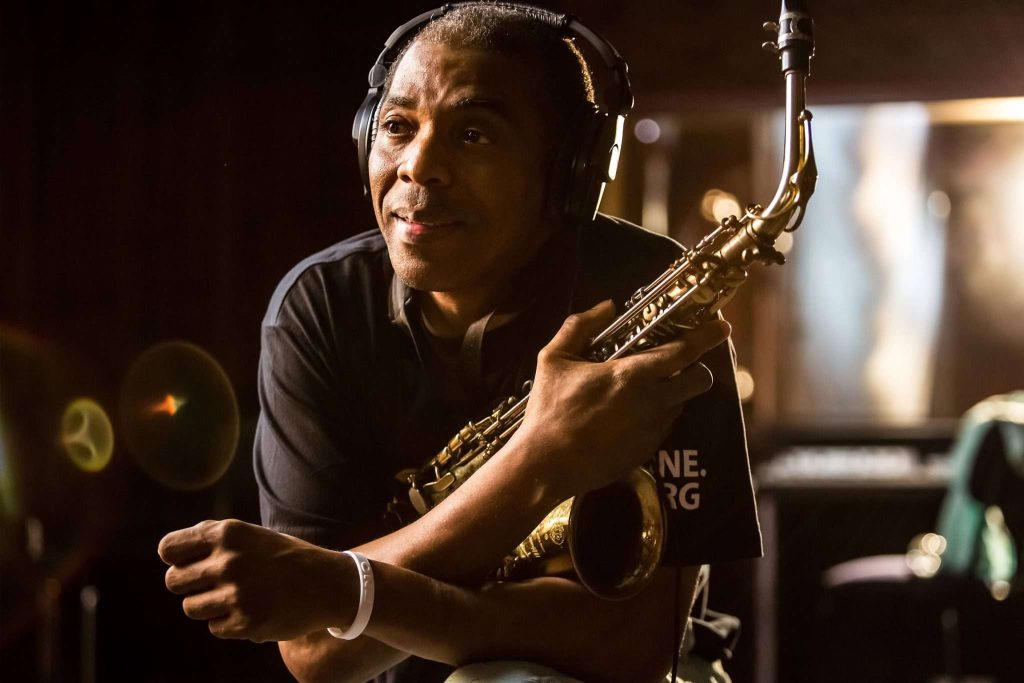
The instruments used in Nigerian traditional music provide a distinct sonic palette that enriches modern compositions. As artists experiment with and incorporate traditional instruments, they foster an exciting sound fusion. The fusion is not simply about adding different sounds; it represents a deep respect for musical heritage. Wizkid, for instance, employs the gentle resonance of the talking drum and the vibrant tones of the shekere in tracks that chart on global platforms. The intricate patterns created with these instruments are seamlessly integrated into contemporary beats, offering a fresh twist that maintains authenticity while appealing to a broader audience.
- Collaboration with Traditional Artisans: Modern artists are increasingly seeking collaborations with local artisans to ensure that traditional sounds are preserved and integrated into new music. This practice not only empowers local musicians but also enhances the authenticity of the music.
- Sampling Techniques: Some artists utilize sampling methods that reference iconic songs from the past, thus creating a rich, intergenerational dialogue in their music. This is seen in tracks that sample traditional Nigerian beats while layering them with modern sounds.
- Technology and Innovation: The advent of digital production tools allows artists to experiment like never before, creating sounds that blend traditional elements with high-tech innovations, leading to an exciting evolution of the music.
As modern genres continue to rise in popularity, the influence of Nigerian traditional music remains palpable in every ear-catching beat and lyrical story. The ongoing dialogue between past and present not only enriches the listening experience but also solidifies Nigeria’s position as a musical powerhouse. This artistic exchange invites a global audience to appreciate the richness of Nigerian culture while inspiring future generations of musicians to explore the depths of their origins.
The interplay between Nigerian traditional music and modern music is not merely a fusion; it’s a powerful dialogue that has shaped contemporary sounds across various genres. The musical elements inherent in traditional Nigerian music, such as complex rhythms, indigenous instruments, and vocal techniques, have permeated modern music creation, influencing artists globally.
One significant factor is the use of polyrhythms, a characteristic of many Nigerian music styles. These complex rhythms create unique grooves that modern genres, especially Afrobeat and hip-hop, have embraced. Artists like Fela Kuti have pioneered this sound, blending traditional African rhythms with jazz and funk, thus paving the way for a new genre that still thrives today.
Additonally, Nigerian traditional music often incorporates storytelling through lyrics and melodies. This narrative style has greatly influenced modern songwriters, who draw inspiration from the rich tapestry of Nigerian folklore. For example, contemporary artists like Wizkid and Burna Boy infuse their lyrics with cultural references that resonate deeply with their audience, thereby educating them about their heritage while entertaining them.
Furthermore, the resurgence of traditional instruments, such as the talking drum and shekere, has found their way into modern production. These instruments not only enrich the sound but also connect listeners to the historical roots of the music, creating a fusion that captivates the modern audience.
Overall, the influence of Nigerian traditional music on modern music creation is profound, highlighting a cultural synergy that continues to evolve. As more artists explore these connections, we can expect a rich and diverse musical landscape that honors its roots while pushing creative boundaries.
| Category | Description |
|---|---|
| Cultural Rhythms | Influence of complex rhythms on genres like Afrobeat and hip-hop. |
| Storytelling | Narrative styles in lyrics draw from Nigerian folklore. |
| Traditional Instruments | Use of indigenous instruments adds authenticity and historical connection. |
YOU MAY ALSO LIKE: Read read another article
Harmonizing Cultures: The Global Reach of Nigerian Traditional Music
Nigerian traditional music doesn’t merely influence local contemporary genres; it has a profound impact on the global music scene, resonating with audiences and artists worldwide. This rich cultural exchange showcases how Nigerian sounds have paved the way for a more inclusive and diverse global music landscape. By forging connections across continents, Nigerian music serves as a bridge that brings together a variety of cultural experiences.
Crossover Collaborations and Global Festivals
In recent years, there has been a noticeable trend of collaboration between Nigerian artists and international musicians. This fusion not only amplifies the reach of traditional sounds but also revives interest in Nigerian culture on a global scale. For instance, collaborations between local artists like Burna Boy and international stars such as Justin Bieber or Ed Sheeran allow traditional Nigerian motifs to blend seamlessly with global pop, creating captivating music that appeals to international listeners. Such partnerships exemplify the potential for cross-cultural discourse, enriching both parties artistically while introducing Nigerian traditional music to wider audiences.
Influence on Genre Development
The influence of Nigerian traditional music is evident in the genesis of new genres such as Afrobeats, which incorporates elements of highlife, juju, and traditional Yoruba music. The infectious rhythms and melodic structures of traditional styles have become essential components of modern music creation, transforming the soundscape of contemporary African pop. The rise of artists like Davido showcases this evolution, as his music manifests a quintessential fusion of traditional rhythms layered with catchy hooks that resonate with fans globally.
Moreover, as Nigerian traditional music continues to evolve, it inspires the establishment of unique sub-genres like Gqom and Amapiano, which, though originated from South Africa, have incorporated Nigerian grooves, establishing a cross-pollination effect that brings fresh textures to audiences everywhere. This ripple effect illustrates the interconnectedness of African music, promoting a musical identity molded by collective heritage rather than individual conventions.
Social Change and Awareness Through Music
Nigerian traditional music plays a crucial role in instigating social change and awareness. As modern artists draw from traditional sounds, they amplify voices around pressing issues such as social justice, political struggles, and cultural heritage. The music of Fela Kuti laid the groundwork for this movement by using Afrobeat as a platform for activism. Contemporary artists continue this legacy by infusing their works with political and social commentary informed by the storytelling techniques of their predecessors.
- Social Media Influence: The prevalence of social media platforms has provided a significant avenue for Nigerian artists to share their music and narratives, reaching global audiences in unprecedented ways. Viral dance challenges and trends rooted in traditional music surfaces as key moments that showcase Nigeria’s cultural richness.
- Music Festivals and Cultural Events: Events such as the Lake of Stars festival or Calabar Carnival serve to highlight Nigerian music’s global potential while providing a stage for the coexistence of traditional and contemporary styles. These festivals often invite international acts, enhancing cultural dialogue through shared performance experiences.
The remarkable influence of Nigerian traditional music on modern music creation speaks volumes about the country’s artistic richness and cultural legacy, inviting artists and listeners alike to explore the intricate tapestry of sounds that defines Nigeria’s musical identity. Through collaboration, genre development, and the promotion of social awareness, the impact of traditional music shapes not only the modern soundscape of Nigeria but also resonates on a global scale, revealing stories and musical expressions that go beyond borders.
SEE ALSO: Click here to read another article
Conclusion: The Everlasting Impact of Nigerian Traditional Music
The influence of Nigerian traditional music on modern music creation is profound and multifaceted, reflecting the nation’s rich cultural heritage and its ability to adapt and resonate across generations and borders. As artists like Burna Boy, Davido, and Tiwa Savage continue to draw from traditional sounds, they not only create chart-topping hits but also ensure that the essence of Nigeria’s music identity remains vibrant and relevant. These modern interpretations allow contemporary audiences to engage with their roots while enjoying genre-defying collaborations and innovative sounds.
This cultural phenomenon highlights the synthesis of tradition and modernity, showcasing how Nigerian traditional music serves as both a foundation and a source of inspiration for emerging styles like Afrobeats, which echo traditional elements while appealing globally. Moreover, music festivals and social media platforms have become critical in promoting this cultural exchange, allowing musicians to reach diverse audiences and establish a dialogue that fosters appreciation for Nigeria’s artistic legacy.
Furthermore, as Nigerian music continues to shape social conversations surrounding justice, identity, and heritage, it reinforces the inseparable connection between music and cultural expression. The journey of Nigerian traditional music reminds us that creativity knows no boundaries and that the stories woven into these sounds resonate far beyond Nigeria’s borders, encouraging us to appreciate the power of music as a unifying force in our global society. As we listen, collaborate, and innovate, let us recognize and celebrate the unyielding spirit of Nigerian traditional music that remains a vital source of inspiration for future generations of artists and audiences alike.