Exploring the Art of Upcycling: Transforming Recyclable Materials into Unique Craft Pieces
Rediscovering Potential in the Unused
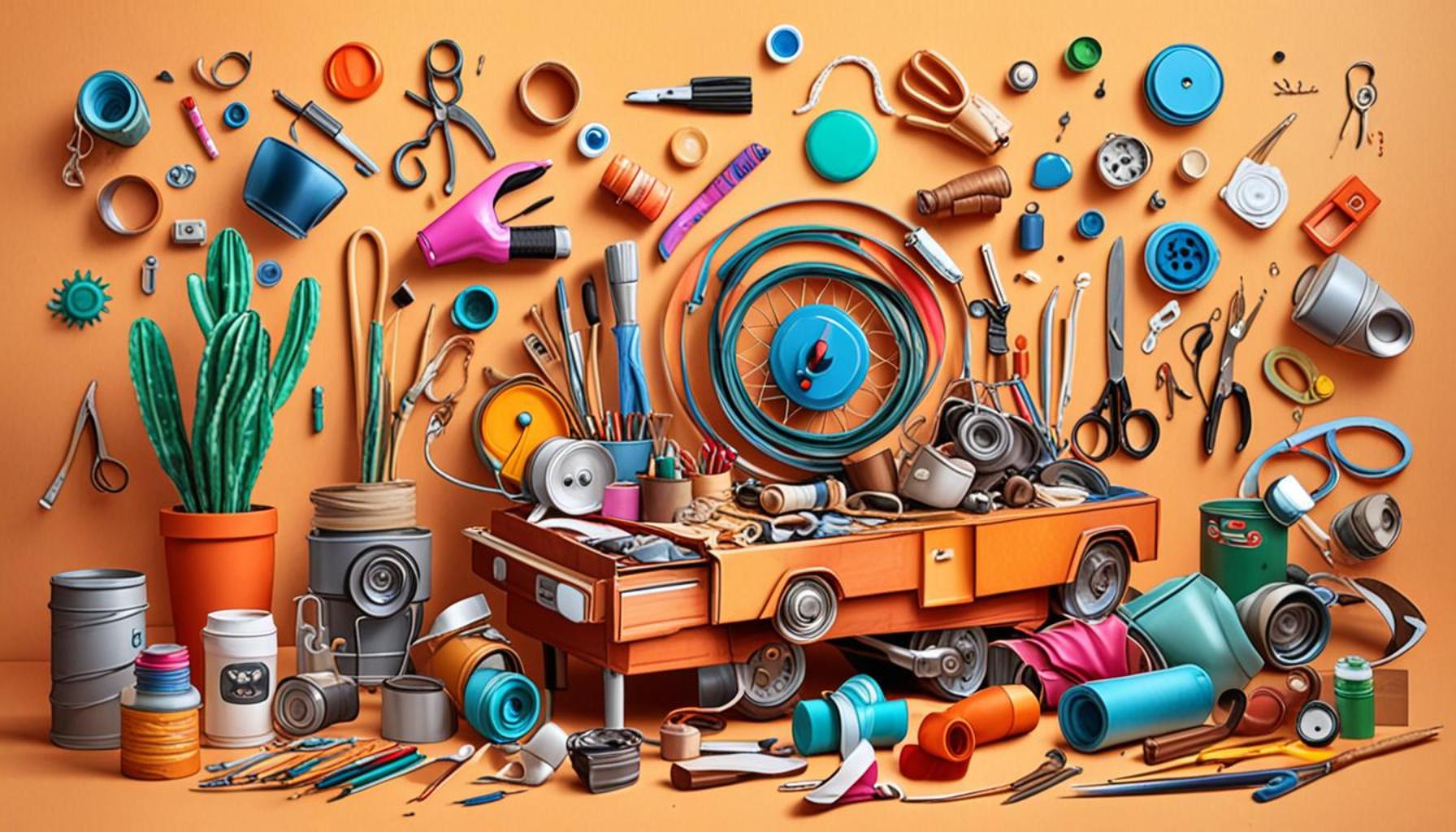
In recent years, a shift in global consciousness towards sustainability has prompted a surge in environmentally friendly practices, and at the forefront of this movement is upcycling. This innovative process takes discarded items and transforms them into something valuable and aesthetically pleasing. Instead of merely recycling, where materials are broken down and reprocessed, upcycling encourages creativity by giving new life to used goods, ultimately curbing waste. As the trend takes root, especially in Nigeria, it combines artistry with ecological responsibility, offering individuals a platform to showcase ingenuity while addressing pressing environmental concerns.
What is Upcycling?
The concept of upcycling is more than a buzzword; it nurtures a mindset that blends resourcefulness with artistic expression. Key aspects of this practice include:
- Innovation: Upcycling challenges individuals to look at everyday items from a different perspective, sparking inventive ideas that transform mundane objects into functional artwork.
- Creativity: This practice serves as a canvas where crafters express their artistic flair. Each piece is unique, allowing artisans to experiment with design and materials, creating items that reflect personal storytelling.
- Economic benefits: Beyond its artistic appeal, upcycling can lead to economic gains. By reducing the need for new materials, individuals can cut costs and even support local economies through the sale of their crafts.
The Impact in Nigeria
In Nigeria, the embrace of upcycling represents a fusion of cultural heritage and modern innovation. Local artisans are at the forefront of this movement, using their skills to turn what is typically viewed as waste into stunning creations. Notable examples abound, including:
- Plastic bottles ingeniously transformed into beautiful decorative planters, adding a touch of greenery to urban dwellings while keeping plastics out of landfills.
- Old clothing creatively reimagined as fashionable bags, combining style with sustainability and demonstrating how fashion can be both trendy and environmentally conscious.
- Wood scraps repurposed into elegant furniture pieces, showcasing craftsmanship while promoting the reuse of valuable natural resources.
The growing appeal of upcycling in Nigeria highlights a collective awakening to the importance of sustainability. This movement encourages individuals not just to discard but to imaginatively reinvent, turning overlooked objects into beloved treasures. As artisans and crafters continue to innovate, they inspire communities to see the potential in what was once considered waste. Through this exploration, readers are invited to embark on their own creative journeys, discovering the joy of transforming the mundane into the extraordinary. Upcycling isn’t just about creating; it’s about fostering a deeper connection with our resources and the planet we inhabit.
ADDITIONAL INSIGHTS: Expand your understanding here
Harnessing Resources: The Techniques of Upcycling
Upcycling is not merely about salvaging old materials; it intricately weaves together creativity, ingenuity, and environmental consciousness. The techniques involved in transforming everyday waste into captivating craft pieces vary widely, reflecting personal style and cultural influences. From urban centers like Lagos to rural locales, artisans are adopting these methods to not only repurpose materials but to build a movement rooted in sustainability.
Popular Upcycling Techniques
As the art of upcycling gains popularity, a variety of methods have emerged, enabling artisans to inventively address the challenge of waste. Here are some popular techniques employed in Nigeria and beyond:
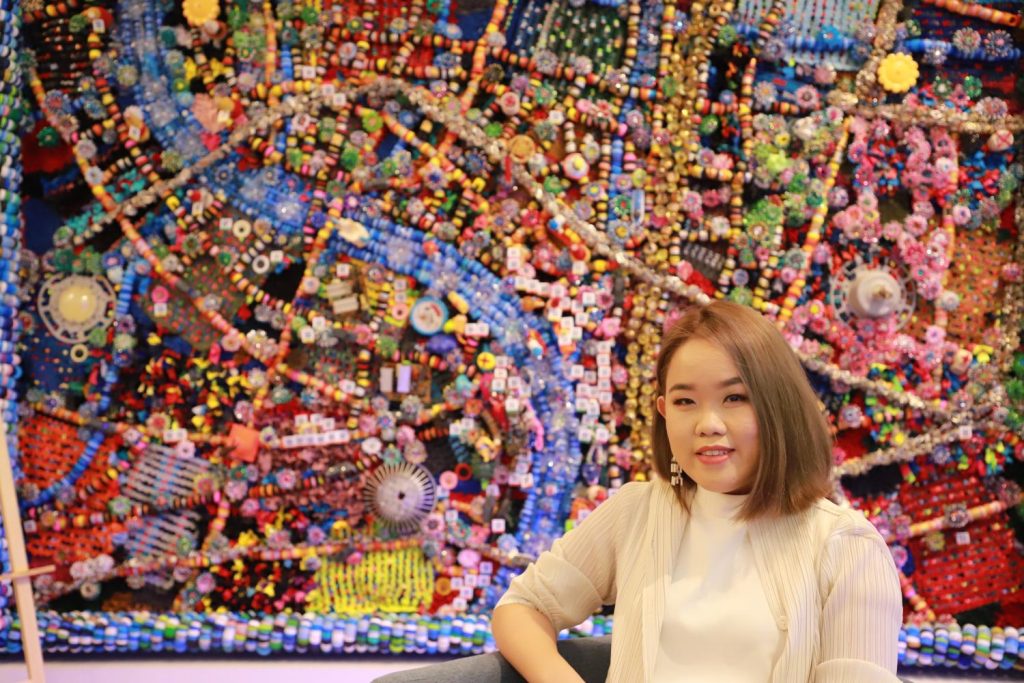
- Collage and Assemblage: This technique involves collecting various discarded materials, such as fabric scraps, paper, and metal components, and assembling them into compelling visual stories. Nigerian crafters have embraced this method to express cultural narratives through art, often reflecting experiences that resonate with community values.
- Sewing and Stitching: Old textiles can be transformed through sewing and stitching techniques. By mending, patching, or quilting discarded clothes, artisans create unique bags, cushions, and clothing items. This process is particularly significant in Nigeria, where traditional fabrics are reimagined, breathing new life into garments that hold sentimental value.
- Crafting Furniture: Upcycling extends to furniture, where wooden pallets, crates, and even old doors are transformed into stylish and functional pieces. Artisan workshops across Nigeria showcase creativity by turning unattractive wood into elegant tables and chairs, often emphasizing local craftsmanship and design.
- Painting and Finishing: A simple coat of paint can help revamp discarded items, giving them a new lease on life. Many artists and crafters harness this very technique, embellishing items such as glass jars, wooden boxes, and metal cans to create functional decorative pieces that don’t just serve a purpose but also enhance home aesthetics.
Additionally, upcycling often serves as an educational journey, as artisans and crafters engage communities in workshops to teach these methods, promoting environmental awareness while passing on traditional skills. In Nigeria, this approach has become a catalyst for community-building, fostering a spirit of collaboration and innovation among locals.
The Role of Community and Trade
The impact of upcycling in Nigeria goes beyond individual artisans; it fosters a sense of community through shared values and sustainability practices. Many craft markets now feature upcycled goods, providing artists with a platform to display their creations while educating consumers on the importance of choosing sustainable alternatives. This convergence of commerce and environmental consciousness not only boosts local economies but also aligns with the global shift towards responsible consumerism.
Ultimately, as the knowledge and appreciation for upcycling grow, interested individuals are encouraged to embark on their own journeys. By exploring the rich possibilities within discarded materials, people can contribute to a more sustainable future while expressing their artistic visions. Upcycling is more than a trend; it’s a lifestyle that empowers creativity, community, and ecological responsibility.
| Category | Description |
|---|---|
| Creativity Boost | Upcycling promotes innovative thinking by encouraging artisans to reimagine ordinary items. |
| Environmental Impact | Transforming waste into value drastically reduces landfill contributions, fostering sustainability. |
The art of upcycling not only facilitates a creativity boost among crafters but also plays a pivotal role in environmental conservation. By encouraging individuals to rethink their approach to discarded materials, it fosters innovative methodologies and artistic expressions that transcend traditional recycling methods. Engaging in such creative endeavors unearths hidden potentials within commonplace items, turning them into unique art pieces and practical objects steeped in personal narratives.Moreover, the environmental impact of upcycling is profound. As more people partake in these transformative processes, they contribute to reducing waste and managing resources more effectively. Every upcycled piece signifies a conscious effort to diminish one’s carbon footprint, elevating the crafts’ value beyond mere aesthetics. Beyond individual benefits, the movement emboldens communities to embrace sustainable practices, creating a ripple effect of awareness and responsibility towards the planet. Dive deeper into the world of upcycling, and uncover how you too can join this artistic revolution while contributing positively to the environment.
ADDITIONAL INSIGHTS: Expand your understanding here
Creative Inspiration: Upcycling Success Stories
The tapestry of upcycling is rich with inspiring stories that illustrate the profound transformations possible with a little ingenuity. Across Nigeria, artisans are not only redefining waste but are also reviving heritage through their innovative creations. These success stories highlight how imaginative approaches to working with recyclable materials can foster community pride and stimulate local economies.
Highlighting Local Artisans and Entrepreneurs
One of the most striking examples of the potential of upcycling is the story of Swahili Luxury, a brand that combines traditional craftsmanship with modern design by repurposing discarded fishing nets and plastic waste. Founded by an enterprising Nigerian entrepreneur, the brand focuses on creating stylish handbags, versatile accessories, and elegant home decor pieces. This initiative not only addresses the environmental problem of ocean pollution but also empowers local artisans by providing them with sustainable employment opportunities. The products have reached markets beyond Nigeria, showcasing the power of upcycling on a global scale.
Another notable figure is Femi Adebayo, a celebrated artist known for his ability to transform old car parts into intricate sculptures and functional art pieces. His studio in Lagos serves as a hub for aspiring crafters, where he shares techniques and encourages the exploration of discarded items as materials. Femi emphasizes that such creative endeavors can bridge the gap between art and environmental awareness while stimulating economic activity within local communities.
The Role of Social Enterprises
Social enterprises have emerged as significant players in the upcycling movement, actively seeking to tackle waste while also supporting community well-being. Organizations like Recycle Points in Nigeria are making strides in promoting recycling and upcycling practices. By incentivizing families to collect waste and exchange it for redeemable points, such initiatives have created a circular economy that not only reduces waste but also helps families save money on essential items. This model illustrates the fusion of environmental advocacy and social impact, showing how upcycling can benefit communities economically.
Community Workshops and Education
In addition to individual artisans and social enterprises, community workshops are playing a pivotal role in promoting the art of upcycling. Through hands-on training, locals learn how to transform unusable materials into beautiful and functional crafts. Schools and community centers in cities such as Abuja and Enugu host these workshops, engaging children and adults alike in this creative practice.
By incorporating traditional techniques alongside contemporary vision, these workshops empower participants to view waste through a different lens. It opens up new avenues for expression and resourcefulness, fostering a cultural shift towards valuing sustainability and creativity as essential twin pillars of community resilience.
As more individuals embrace the principles of upcycling, the collective imagination burgeons further, resulting in unique craft pieces that resonate with personal stories and communal identities. Each creation tells a tale, echoing the ethos of sustainability and a renewed appreciation for the resources that often go unnoticed. With upcycling on the rise, the anticipated possibilities remain as boundless as the materials waiting to be reborn.
RECOMMENDED: Check out this similar article
Conclusion: Embracing the Future of Upcycling
The art of upcycling stands at the intersection of creativity and sustainability, offering a powerful solution to the pressing challenges of waste management. As showcased through the vibrant initiatives in Nigeria, such as artisan enterprises and community workshops, upcycling not only transforms discarded materials into unique craft pieces but also fosters a culture of responsibility and innovation. These endeavors illuminate the potential of turning waste into valuable resources, paving the way for a brighter, more sustainable future.
By engaging local artisans, social enterprises, and community members, upcycling weaves a new narrative that champions environmental awareness while stimulating economic growth. As seen with inspiring brands like Swahili Luxury and talented artists like Femi Adebayo, the fusion of traditional craftsmanship and modern design can elevate both the aesthetic and social value of upcycled products. Their success stories serve as beacons, inspiring others within and beyond Nigeria to explore the limitless possibilities of transforming what is often seen as refuse into something remarkable.
The ongoing education and participatory workshops empower communities, encouraging the adoption of sustainable practices that lead to resilience and self-sufficiency. As the movement continues to gain momentum, it challenges us to rethink our relationship with waste and adopt a mindset that values creativity and resourcefulness. In embracing the art of upcycling, we unlock not only economic potential but also the possibility of redefining our perception of materials, thereby enriching our lives and the environment.
As we look ahead, the future of upcycling holds promise, waiting for new artists and crafters to take up the challenge. By prioritizing creativity and environmental stewardship, we can collectively ensure that the journey towards sustainability is as vibrant and colorful as the unique craft pieces we create.