Transforming Reusable Materials into Art: DIY Ideas for Beginners
Exploring the World of DIY Art with Reusable Materials
In a time when eco-consciousness is becoming essential, the beauty of art lies not just in creation but in its ability to reclaim and repurpose what we often overlook. Reusable materials offer an incredible resource for the arts, inviting creativity while promoting sustainability. Beyond mere aesthetics, choosing to transform waste into art embodies a compelling narrative about environmental stewardship and cultural identity.
Transforming Waste into Wonders
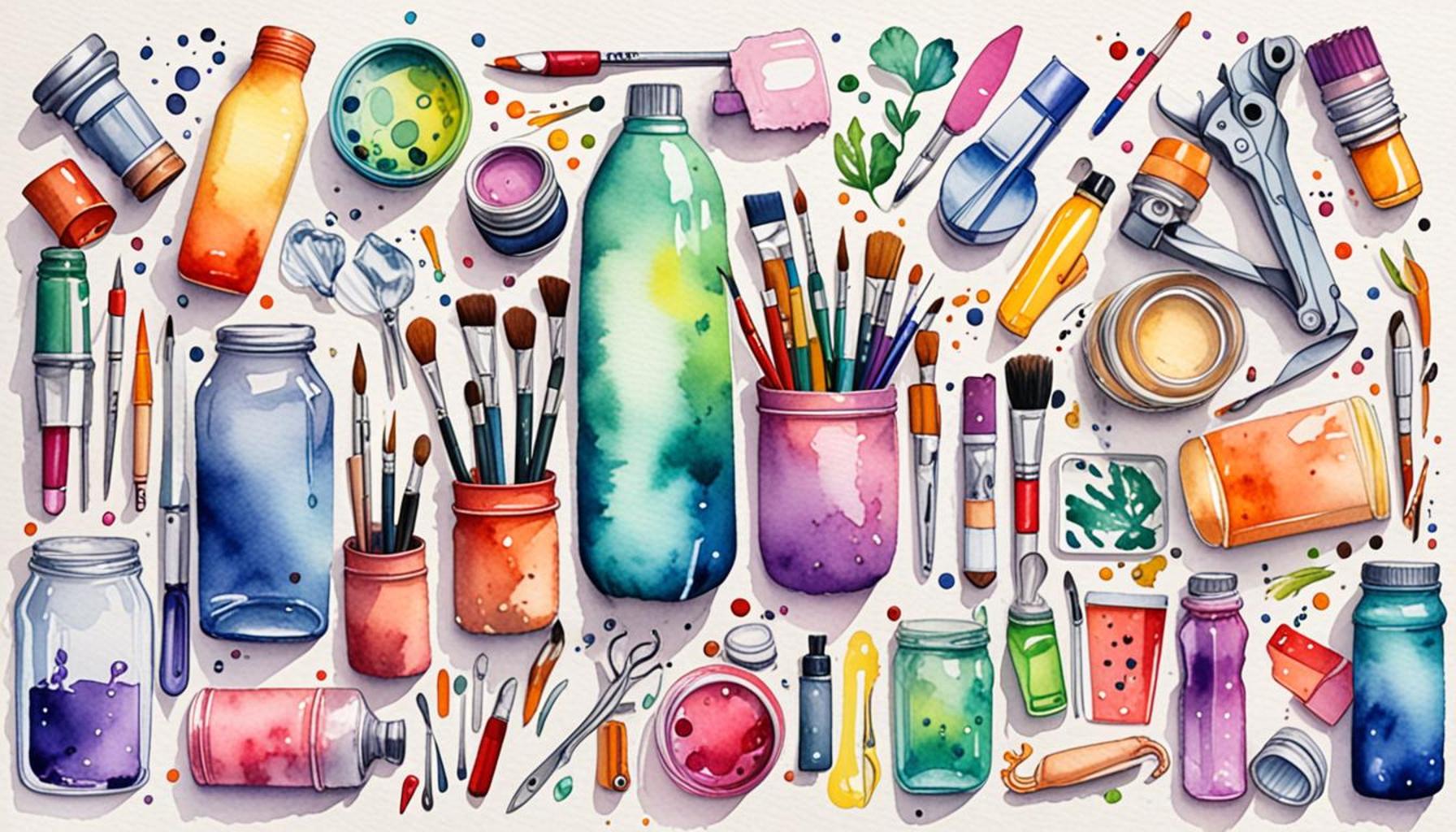
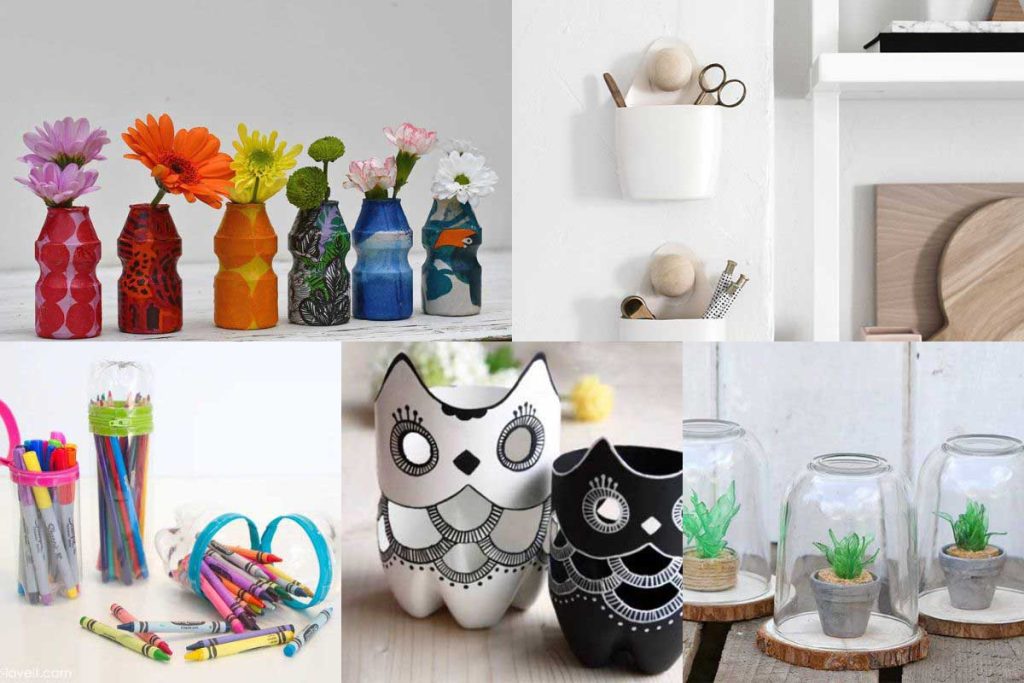
Crafting with reusable materials can spark an array of innovative projects. Consider plastic bottles, for example. Rather than discarding them, they can be cut, painted, and transformed into eye-catching planters for your garden or even whimsical decorative sculptures that can brighten up any space. For urban dwellers in Nigeria, imagine transforming a cluster of colorful bottles into a stunning vertical garden that not only beautifies your home but also repurposes waste effectively.
Another versatile material is old newspapers. With a bit of creativity, these can be crafted into papier-mâché sculptures or used to create unique, textured collages. Youth organizations or schools can host workshops where children learn to use newspapers to express their views on environmental issues in their communities, fostering dialogue through art.
Cardboard Creativity and Fabric Dreams
Cardboard is another unassuming waste material that can yield impressive results. From creating intricate architectural models to artistic wall art, cardboard allows artists to push boundaries. One could even participate in art exhibitions focused on cardboard, showcasing how this material can be used to tell stories about local diets, economic challenges, or traditional practices.
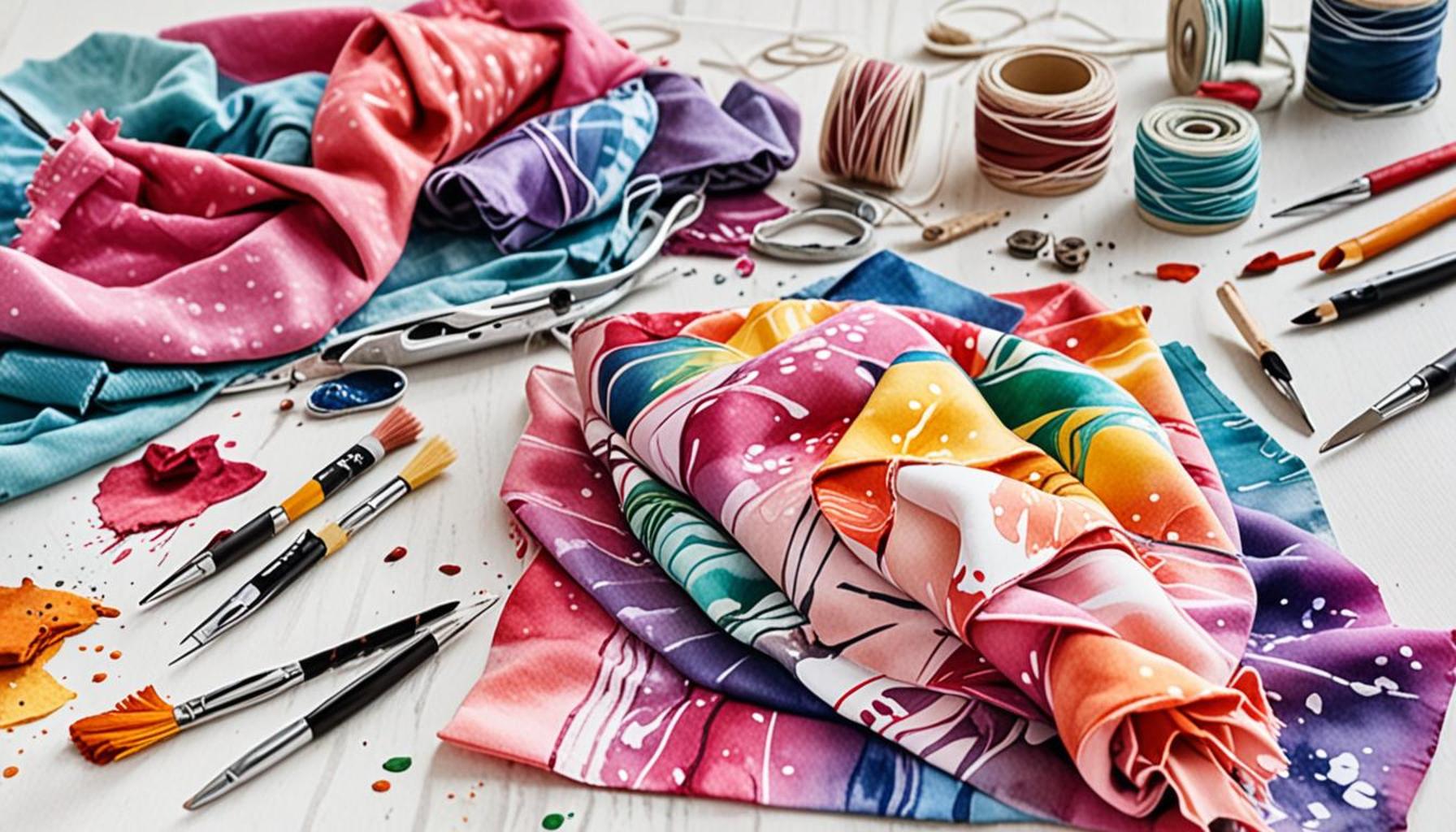
With fabric scraps from local tailors or old clothing, ambitious crafters can stitch together vibrant quilts or trendy bags. This not only reuses fabric but also honors the traditional textile arts of Nigeria. By incorporating traditional patterns and techniques, individuals can create pieces that resonate with cultural significance, effectively weaving heritage and sustainability into their work.
Connecting with Community and Culture
Exploring DIY art with reusable materials goes beyond individual projects—it creates opportunities for community engagement. Local artists can establish workshops that connect individuals interested in sustainability and creativity. Such gatherings not only teach valuable skills but also build a sense of belonging and pride in addressing environmental issues collectively.
As you delve into this inspiring creative journey, you’ll uncover the profound connection between artistry, sustainability, and community. Through the lens of DIY projects, you can solidify your skills while contributing positively to the environment—one craft at a time. By embracing the narrative of reusable materials, each piece becomes a powerful statement of creativity and conscience. Not just art, but a movement that stirs change and inspires reflection on our identities and impact on the planet.
CHECK OUT: Click here to explore more
Innovative DIY Art Projects Using Reusable Materials
As we explore the vast possibilities of transforming reusable materials into art, it’s essential to recognize the ease with which even beginners can commence their artistic journey. The drive to create something unique from what might otherwise be discarded not only showcases talent but also encourages a profound sense of environmental awareness. Here are some exciting DIY project ideas using common reusable materials that can spark your creativity.
1. Crafting with Plastic Bottles
Plastic bottles, a prominent waste item in many households, can be easily repurposed into various artistic projects. Here are some ideas to get started:
- Planters: Cut the bottles in half, decorate them with paint or fabric, and you have yourself a stunning planter. Perfect for small indoor herbs or flowers.
- Bird Feeders: Transform a bottle into a bird feeder by cutting holes and filling it with seeds. Hang it outside and attract local birds while beautifying your space.
- Sculptural Art: Join multiple bottles together to create abstract or themed sculptures that can serve as outdoor decorations or conversation starters.
These projects not only enhance your creativity but also contribute to a cleaner environment by reducing plastic waste.
2. Unleashing Creativity with Old Clothing
Instead of discarding worn-out or outdated clothing, delve into the art of fabric recycling. Old clothes, particularly those made of cotton or denim, can become a canvas for creativity.
- Fabric Wall Art: Cut fabric pieces into geometric shapes and arrange them on a canvas to create a vibrant textile wall hanging.
- Pillows or Cushions: Sew fabric scraps together to create unique and colorful pillow covers that give your living space a personal touch.
- Recycled Tote Bags: Transform an old shirt into a fashionable tote bag. This not only saves money but allows you to showcase a stylish accessory that’s environmentally friendly.
In Nigeria, where the cultural significance of fabrics is rich, individuals can explore incorporating traditional patterns and motifs into their creations, further enriching the narrative behind each piece.
3. Breathing New Life into Cardboard
Cardboard is often an overlooked material, but with a touch of imagination, it can evolve into extraordinary artwork. Here are some fun ways to utilize cardboard:
- 3D Models: Create architectural models of significant landmarks in your community, helping to convey local heritage through an engaging medium.
- Art Installations: Fashion large-scale installations that speak to environmental issues, using cardboard as a primary material to convey your message.
- Gift Boxes: Custom-make decorative gift boxes for special occasions, showcasing personal touches that represent the recipient’s interests.
Encouraging children and young adults to work with cardboard can stimulate their problem-solving skills while allowing them to express their thoughts on various social themes through art.
As you embark on this journey of creativity with reusable materials, consider the environmental impact your art can have. Each project not only serves as an outlet for your creativity but also promotes eco-friendly practices that are essential in today’s world. Embracing DIY art with reusable materials nurtures a lifestyle that appreciates sustainability and innovation in equal measure.
Transforming Reusable Materials into Art: DIY Ideas for Beginners
In the vibrant world of DIY art, using reusable materials not only fosters creativity but also promotes sustainability. This practice resonates with individuals looking to express themselves while being environmentally conscious. Let’s delve into some intriguing advantages of incorporating reuse into your artistic journey.
| Advantage | Description |
|---|---|
| Cost-Effective | Creating art from old newspapers, bottles, and fabrics saves money on supplies. |
| Environmental Impact | Reduces waste, leading to fewer materials in landfills and a smaller carbon footprint. |
| Creativity Boost | Reinventing materials encourages innovative thinking and unique projects. |
| Community Connection | Involving others in the process can create bonds and inspire collaboration. |
Engaging in projects that transform everyday items, such as cans or cardboard, into dazzling art pieces can be incredibly rewarding. Techniques like decoupage, collage, and making sculptures from discarded goods not only give these materials a second life but encourage artisans of all levels to explore their potential.
For beginners, the thrill lies in the experimentation. Don’t hesitate to jump into projects; start with simple crafts, such as wall hangings or decorative containers, to build confidence and skill. The journey of DIY art with reusable materials is as much about personal expression as it is about sustainability. Explore this artistic realm and discover the endless possibilities of creativity that await you!
YOU MAY ALSO LIKE: Read read another article
Unlocking Artistic Potential with Everyday Materials
The beauty of transforming reusable materials into art lies in the hidden potential that everyday items possess. By recognizing the artistic value of these materials, beginners can unleash their creativity while contributing to sustainability. Let’s explore additional transformative DIY projects that breathe new life into ordinary items.
4. Turning Tin Cans into Artistry
Tin cans are often discarded without a second thought, but with a little creativity, they can be converted into stunning pieces of art. Here are some ideas to inspire your next project:
- Lanterns: Clean and remove labels from tin cans, then fill them with water and freeze overnight. Once frozen, carefully hammer small holes into the sides for decorative patterns. Allow the ice to melt, and voila! You have beautiful lanterns that can warm up your outdoor space.
- Garden Markers: Cut tin cans into strips and shape them into signs for your garden. With a permanent marker, label each can for herbs or vegetables, creating both an aesthetic and functional garden setup.
- Wall Art: Use the flat parts of the cans to create unique wall art. Paint them in vibrant colors, then arrange them in a collage format to make a striking statement piece.
In many Nigerian households, these creative transformations can be a part of outdoor festive decorations, showing the community’s resourcefulness.
5. Artistic Expressions with Old Books
Books that are no longer read can be a treasure trove for aspiring artists. Instead of discarding these old volumes, consider some of the creative uses for them:
- Book Page Wall Art: Tear out pages from old books and craft a collage or framed piece. You can create shapes, such as hearts or trees, by arranging the pages artistically.
- Altered Books: Transform an old book into an altered art piece. Add paints, drawings, or additional materials to its pages to create a unique narrative or theme.
- Paper Flowers: Use pages to make beautiful paper flowers. Fold and twist the pages into flower shapes, allowing you to create gorgeous bouquets that require no watering.
Such artistic endeavors encourage a love for literature while fostering creativity, especially in the education sector. Schools can implement projects centered around repurposing books into art.
6. Creating Beauty from Scrap Wood
Wood, especially scrap pieces left over from construction or DIY projects, can offer a wide range of artistic possibilities. Here are a few innovative ideas:
- Wooden Signs: Use scrap wood to make decorative signs for your home or garden. Paint quotes, sayings, or even symbols that represent your personal style or communal beliefs.
- Rustic Frames: Create picture frames from reclaimed wood, giving your space a rustic or vintage feel. This not only preserves memories but also tells a story with the materials used.
- Birdhouses or Feeders: Build charming birdhouses or feeders from wood scraps. Not only will this attract birds, but it also adds a touch of nature to your surroundings.
By incorporating these concepts into community workshops or children’s activities, the importance of sustainability can be instilled in younger generations while they enjoy making something beautiful.
Engaging in these creative ventures with reusable materials opens a pathway for beginners to explore their artistic sides while promoting eco-consciousness. Each crafted piece not only adds beauty to one’s environment but also serves as a gentle reminder of the resources we have on hand and the potential they hold when combined with imagination and creativity.
YOU MAY ALSO LIKE: Read read another article
Embracing Creativity and Sustainability
In conclusion, the journey of transforming reusable materials into art not only invites beginners to tap into their creative potential but also fosters a greater appreciation for sustainability. By repurposing items often seen as waste, individuals can create stunning pieces of artwork that reflect their style while making a positive impact on the environment. As demonstrated through the various DIY projects—whether it’s crafting lanterns from tin cans, turning old books into unique decor, or creating stunning signs and frames from scrap wood—there are limitless possibilities when it comes to artistic expression.
The practice of art through reuse serves as a critical reminder that beauty can emerge from what we typically discard. In Nigerian communities, particularly, these projects can not only bring art into homes but can also strengthen social ties during workshops and collaborations. By educating others about the importance of conserving resources while inspiring creativity, we cultivate a culture of sustainability that can lead to innovative artistic solutions.
As you embark on your own creative endeavors, consider the items around you that might otherwise go unused. Explore the transformative power of DIY projects with everyday materials and discover how you can leave a mark not only in your personal space but also within your community. This journey encourages resourcefulness, inspires imagination, and ultimately contributes to a more sustainable future. So gather your materials, unleash your creativity, and start transforming the ordinary into extraordinary art!