Exploring Community Art: Collaborative Projects that Transform Neighborhoods in Nigeria
The Role of Community Art in Nigeria
Art possesses an extraordinary ability to transcend barriers and bridge cultural divides. In Nigeria, where diverse ethnic groups, languages, and traditions coexist, community art projects emerge as a powerful tool for social cohesion. These collaborative initiatives are not merely artistic expressions; they are catalysts for dialogue, understanding, and transformation within neighborhoods. By engaging in creative expression, residents are able to foster a sense of belonging and ownership over their cultural narratives.
Street Art Initiatives
One of the most compelling forms of community art in Nigeria can be witnessed through street art initiatives. These programs often involve local artists collaborating with community members to create vibrant murals that reflect their cultural heritage and address pressing social issues. For instance, in Lagos, murals that highlight themes of unity, resilience, and hope adorn the walls of public buildings, transforming urban landscapes into dynamic canvases. Not only do these artworks beautify the environment, but they also provoke thought and inspire conversations among residents and passersby alike.
Collaborative Sculptures
Another impactful form of community art is the creation of collaborative sculptures. These projects encourage community members to come together, promoting teamwork and collective creativity. An example can be found in Abuja, where residents worked alongside local artists to construct a towering sculpture that symbolizes peace and solidarity. Such landmarks do not just serve as physical structures but become symbols of communal identity, fostering pride and unity while inviting discussions around the narratives they represent.
Public Workshops
Public workshops play a vital role in nurturing creativity within communities. These regular events provide platforms for residents to express themselves artistically while learning from seasoned artists. Workshop participants often engage in various forms of artistic expression, ranging from painting and sculpture to dance and storytelling. By participating in these workshops, community members can explore their identities and share their unique experiences, ultimately deepening their ties to one another.
Thematic Focus of Community Art
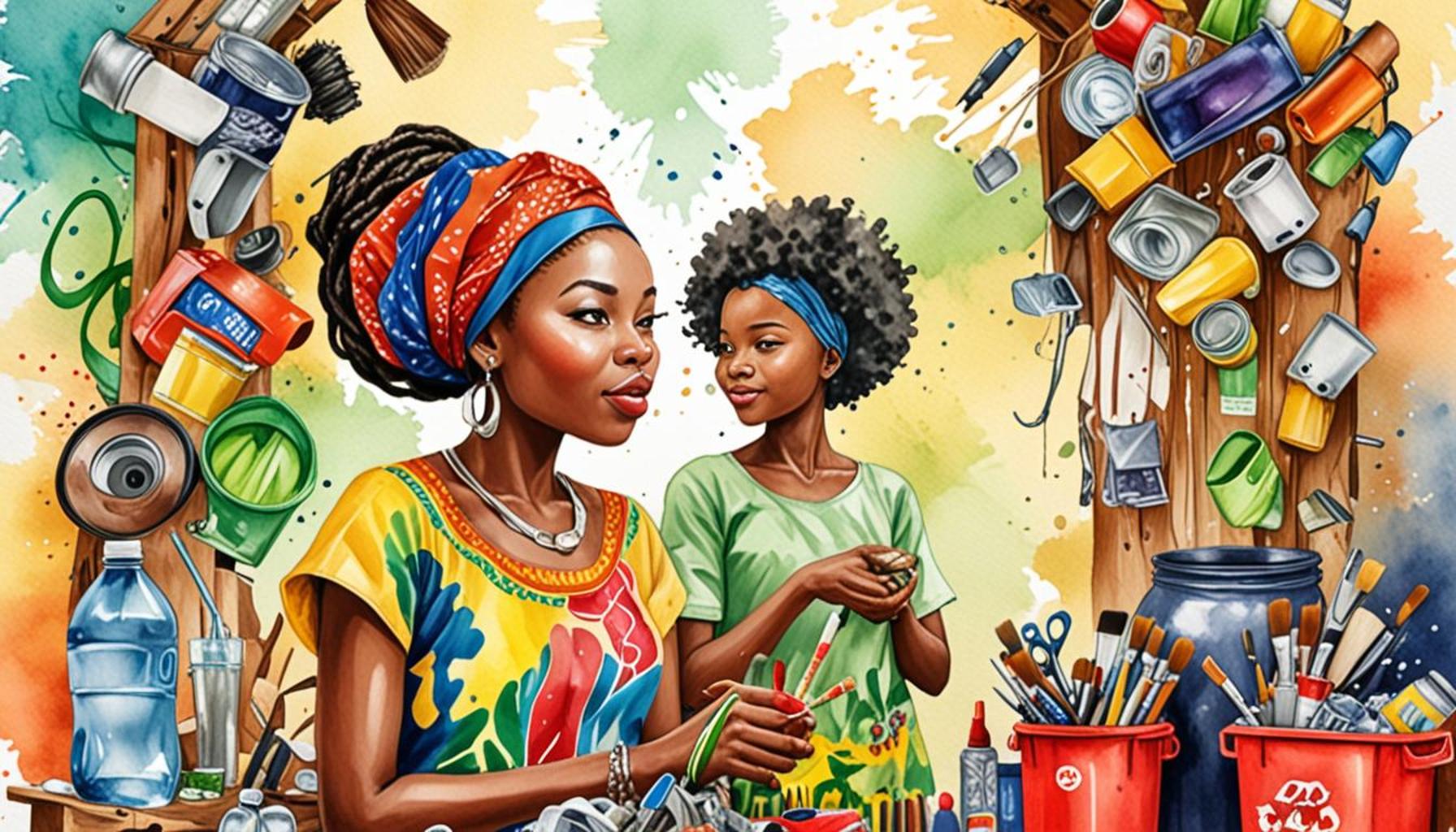
Many community art projects in Nigeria are centered around significant themes such as identity, empowerment, and environmental awareness. For example, a project that focuses on environmental stewardship might involve creating art from recycled materials, prompting discussions on sustainability and ecological responsibility. Through these artistic endeavors, communities are not simply passive observers but active contributors, shaping their narratives and crafting spaces that resonate with their values and aspirations.
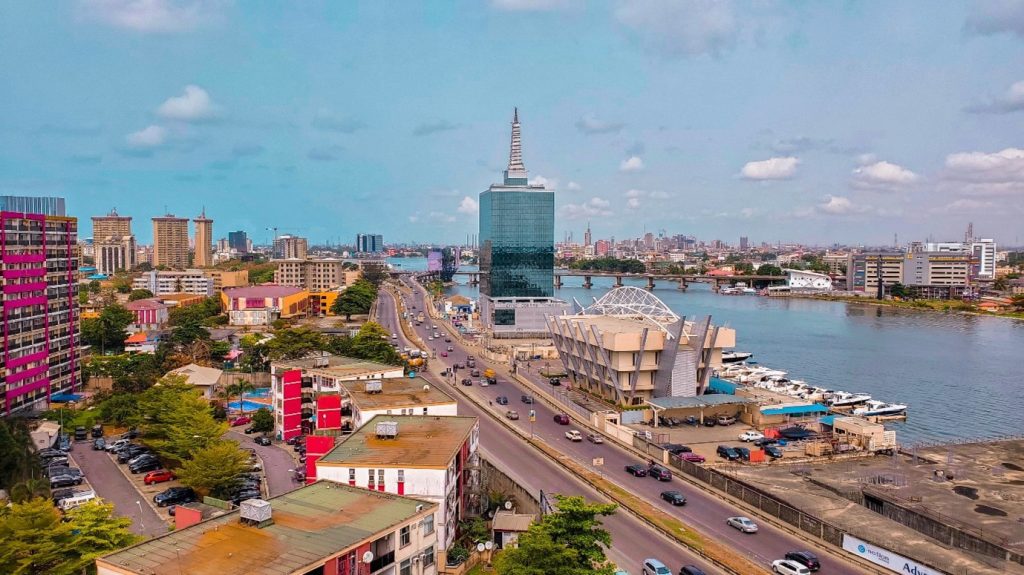
As we explore the multifaceted landscape of community art in Nigeria, it becomes evident that such initiatives do far more than beautify public spaces. They empower individuals, strengthen local identities, and promote a culture of collaboration and creativity that can lead to lasting change. The transformative power of community art continues to redefine not only neighborhoods but also the very fabric of Nigerian society.
LEARN MORE: This related article may interest you
Unveiling the Impact of Community Art Projects
The influence of community art projects in Nigeria cannot be overstated; they have become essential vehicles for expressing and shaping local identities. These projects serve as a mirror reflecting not only the artistic aspirations of the community but also its challenges, dreams, and collective memory. They offer a platform for empowerment, enabling marginalized voices to be heard and valued within the broader societal context.
Community Murals: Empowering Through Expression
Mural painting has emerged as a significant artistic movement that encourages communities to take ownership of their surroundings. In cities like Port Harcourt, local artists often collaborate with residents to create murals that depict historical events or celebrate cultural practices unique to the area. This process not only revitalizes neglected public spaces but also allows for collective storytelling. Artistic visions become a shared heritage, inspiring community pride and encouraging ongoing discourse about their significance. Examples include:
- Historical Narratives: Murals reflecting pivotal moments in Nigerian history, such as the struggles for independence, remind residents of their rich cultural legacy.
- Cultural Celebrations: Artwork that honors local festivals and traditions helps foster a sense of belonging and unity among community members.
- Social Issues: Murals addressing critical social challenges, such as poverty or health awareness, serve as educational tools that spark necessary dialogue.
Grassroots Theater as a Form of Engagement
Grassroots theater is another engaging method of community art that creatively tackles pressing issues while fostering social awareness. In various neighborhoods across Nigeria, theater groups composed of residents tackle topics ranging from corruption to youth empowerment through powerful performances. These theatrical presentations are often held in public spaces, making them accessible to a wider audience and allowing more community members to participate. They transform critiquing conversations about societal issues into engaging and entertaining experiences, serving as an effective catalyst for change.
The Transformation of Community Spaces
Community art projects not only beautify neighborhoods but also reimagine the very spaces where they occur. Creative interventions have transformed dull, underutilized areas into vibrant hubs for interaction and collaboration. More than just aesthetic enhancements, these transformations have the power to:
- Build Relationships: By bringing people together for art-related activities, community art fosters a sense of interconnectedness among diverse groups.
- Encourage Civic Engagement: Art-based initiatives often inspire community members to become more locally active, advocating for initiatives that further improve their neighborhoods.
- Attract Visitors: Well-executed community art projects can draw attention from neighboring regions, promoting local tourism and contributing to economic growth.
As we delve deeper into the transformative nature of community art in Nigeria, it becomes clear that these projects are more than just creative outlets. They are essential components for social change, empowering communities, and facilitating dialogue about pressing issues—and they stand as a testament to the resilience and creativity of the Nigerian spirit. By harnessing the artistic talents of community members, we witness not only a collective expression but a powerful means of reclaiming space, identity, and narrative.
As community art initiatives arise across Nigeria, they bring *vibrant transformations* to local neighborhoods, enriching the cultural tapestry and enhancing community cohesion. These projects serve not just as aesthetic enhancements, but as catalysts for social change, fostering dialogue among diverse groups and addressing pressing local issues. Artists, local leaders, and residents collaborate in these endeavors, often involving the youth, thereby nurturing the next generation of creative thinkers.Participating in collaborative art projects can instill a sense of pride and ownership within communities. When residents contribute their ideas and skills, it is more than mere participation; it becomes a powerful expression of identity and collective purpose. One notable example is the murals in urban centers that tell local stories and highlight cultural heritage, often addressing themes of unity, resilience, and hope.Moreover, these initiatives can draw attention from beyond the local sphere, attracting tourists and funding opportunities. Local markets benefit as foot traffic increases, while community-driven narratives gain exposure on national and international stages. In this way, art not only beautifies spaces but also serves as a powerful tool for advocacy and economic development.Here is a table summarizing some of the key advantages of community art in transforming neighborhoods in Nigeria:
| Category | Advantages |
|---|---|
| Community Engagement | Fosters a sense of belonging and participation among residents. |
| Cultural Preservation | Highlights local folklore and traditions, ensuring they are cherished and passed on. |
| Economic Benefits | Attracts tourism, increasing sales for local businesses. |
| Advocacy and Awareness | Addresses social issues through visual storytelling, prompting community discourse. |
Through such collaborative projects, community art stands as a testament to the resilience and creativity inherent within Nigerian neighborhoods, driving transformation that resonates on both local and broader scales.
RECOMMENDED: Check out this similar article
Fostering Innovation and Cooperation through Community Art
Community art projects in Nigeria not only pave the way for expression and empowerment but also become breeding grounds for innovation and collaboration among artists and community members. These initiatives often encourage interdisciplinary approaches, facilitating cooperation between visual artists, musicians, dancers, and even local businesses, all working together for a common goal. This synergy expands the potential for creativity and reveals the interconnectivity of the neighborhood’s cultural landscape.
The Role of Art Education
Integral to the success of community art projects is the emphasis on art education. Programs aimed at improving artistic skills often involve workshops and training sessions, tailored to engage various age groups. In cities such as Lagos, organizations like the Art Twenty One Foundation and Dangote Art Academy adopt a hands-on approach, teaching not only painting or sculpture but also the intricacies of project management and teamwork. This educational framework not only empowers individuals but also instills a sense of ownership and pride in the art they create. Moreover, it cultivates a new generation of artists and community leaders who can continue the tradition of community engagement through art.
Performative Arts: Dance and Music as Community Connectors
Beyond visual arts, the performative arts play a pivotal role in community art initiatives. Dance and music are crucial to the cultural identity in Nigerian communities, often serving as vital communication tools. Initiatives such as the National Festival of Arts and Culture showcase local dance troupes and musicians who collaborate to create performances that both resonate with and reflect community experiences. These performances not only celebrate cultural heritage but also provide opportunities for dialogue about social justice, environmental issues, and community cohesion. By merging traditional art forms with contemporary themes, artists create bridges that connect the past with the future, facilitating a deeper understanding among diverse groups.
Case Studies: Successful Community Art Projects in Nigeria
Examining successful community art projects offers insight into the transformative power of art across Nigeria. Projects such as the Street Art Lagos initiative have turned city streets into canvases of expression, where artists from various backgrounds converge to illustrate their narratives. Another notable example is the Art for Humanity project, which addresses social issues like mental health through visual installations that engage viewers and promote awareness. The activation of public spaces through these artistic endeavors not only enhances the visual culture of neighborhoods but also strengthens community bonds by fostering discussions and collective actions.
- Street Art Lagos: Community-led murals that tell diverse stories, attracting local and international attention.
- Art for Humanity: Creative installations that drive home messages about social issues, bringing awareness and empathy.
- Theater for Development: Initiatives using drama as a tool for conflict resolution, highlighting the power of narrative in bridging divides.
These case studies highlight how community art projects serve not just as means of aesthetic enhancement but also as practical tools for fostering unity, resilience, and social discourse. Each painting, musical performance, or theatrical piece contributes to a narrative as rich and varied as Nigeria itself, affirming the belief that art is indeed a profound initiator of change.
LEARN MORE: This related article may interest you
Conclusion: The Lasting Impact of Community Art in Nigeria
In conclusion, community art projects in Nigeria epitomize the transformative potential of creative collaboration. By uniting artists, local residents, and various stakeholders, these initiatives not only beautify neighborhoods but also cultivate a sense of belonging and identity among community members. The integration of diverse artistic disciplines—from visual arts to music and dance—demonstrates how creativity can bridge cultural divides and foster open dialogues on pressing social issues. The emphasis on art education equips individuals with vital skills, cultivating future leaders who can sustain this artistic movement.
Moreover, successful case studies such as Street Art Lagos and Art for Humanity illuminate the profound impact these projects have on enhancing public spaces while actively promoting community engagement. As these collaborative endeavors continue to thrive, they serve as a powerful reminder that art is not merely a medium of expression but also a significant catalyst for change. It encourages communities to envision a collective future, where creativity nurtures empathy and understanding.
Ultimately, exploring community art projects within Nigeria reveals an ongoing narrative of resilience, unity, and innovation. As Nigeria progresses, the importance of fostering these artistic expressions becomes increasingly evident, inviting all to participate in the vibrant tapestry of community life. Future explorations into this dynamic field will undoubtedly unveil even greater stories of connection and transformation, urging us all to delve deeper into the nuances of art’s role in societal development.