Strategies for Introducing New Pets at Home: How to Ease Adaptation and Promote Harmony Among Animals
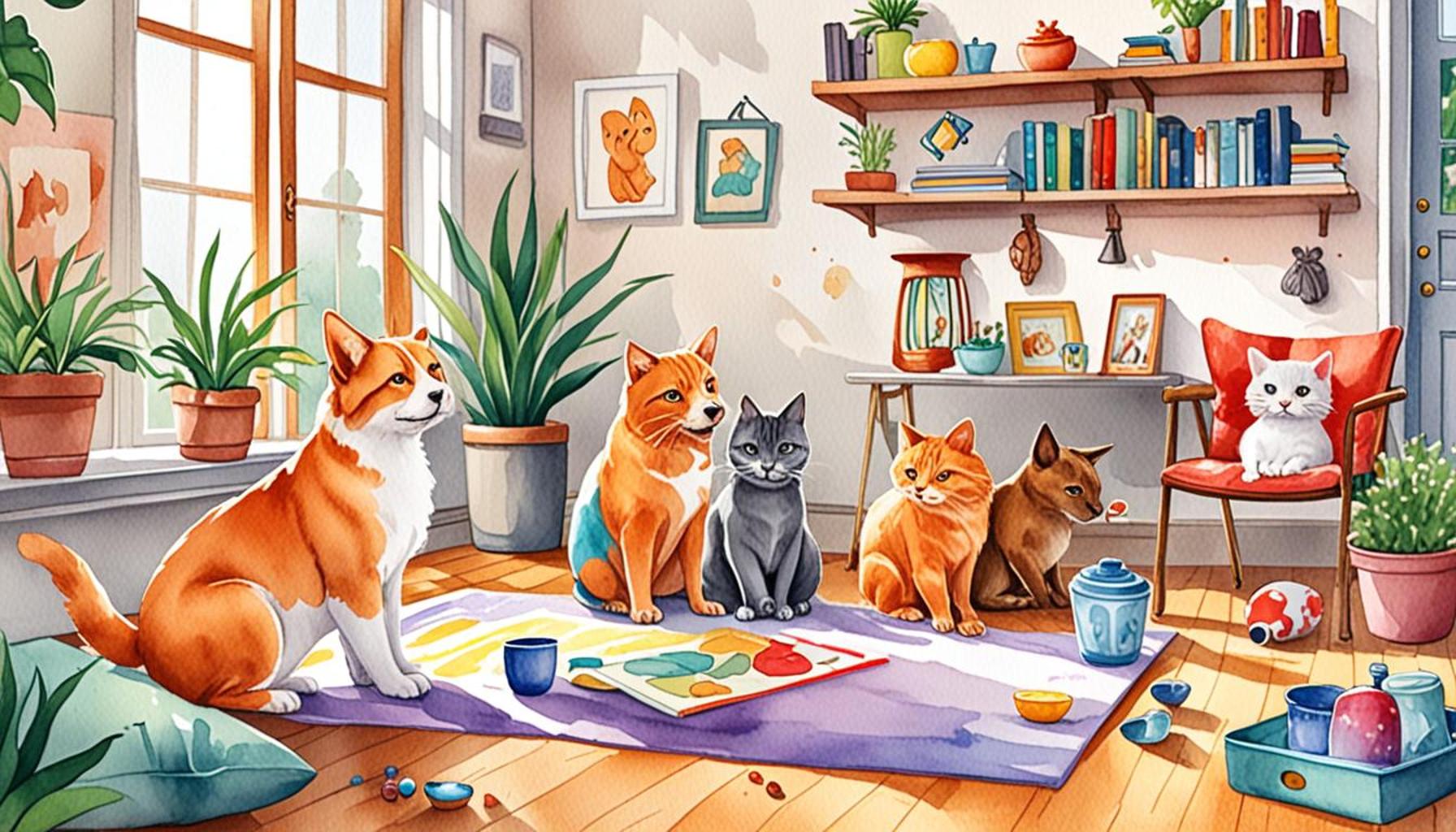
Creating a Peaceful Welcome for New Pets
Welcoming a new pet into your home can be an exciting yet nerve-wracking experience. The success of this transition often depends on how well you manage the introduction process. This article will unveil valuable strategies for introducing new pets that can ease adaptation and promote harmony among your animals.
Integrating a new pet involves understanding the dynamics of your existing household. Here are some key factors to consider:
- Know the Individual Personalities: Each pet has its unique temperament and behavioral tendencies. For instance, a playful dog may be overly energetic around a timid cat, potentially causing anxiety. Familiarize yourself with their quirks—like how your current pet reacts to strangers or new stimuli—to anticipate possible challenges.
- Environment Preparation: Ensure your space is pet-friendly and safe. In many Nigerian homes, outdoor spaces are common. Designate a quiet area for the new pet that is away from the hustle and bustle of daily life. Use barriers like baby gates to create distinct zones where each animal can feel secure without feeling threatened by the other.
- Gradual Introduction: Avoid overwhelming your new and existing pets by introducing them slowly. This can involve keeping them in separate rooms for a few days while they acclimatize to their new surroundings. Gradually allow them to interact through a crack in the door, sharing toys or blankets between them to create familiarity.
In Nigeria, where pets like dogs and cats often roam freely, fostering a culture of peaceful coexistence is crucial. It’s important to consider that many families bring pets into their homes to enhance companionship or security. Effective communication techniques and proper training can significantly lessen stress levels during these introductions. For example, training sessions that involve both pets can promote a bond through shared experiences.
Furthermore, understanding cultural practices around pets in Nigeria can enrich the introduction experience. In some regions, traditional beliefs may influence how pets are perceived and treated. Acknowledging these nuances can assist in creating a respectful environment for both your new and existing pets.
Utilizing scents to familiarize animals with one another can be an effective tool. For example, rub a cloth on your new pet and allow your existing pet to smell it before they meet face-to-face. Another crucial step could be creating separate spaces during the initial phase. Each pet needs a safe haven where they can retreat if feeling overwhelmed.
With these strategies for a smooth adaptation, you can create a harmonious environment that encourages your furry companions to coexist peacefully. Join us as we explore detailed insights and methods that will help your beloved pets thrive in their new family dynamic. Remember, patience and understanding are key—your efforts can lead to a rewarding companionship in no time.
Understanding Pet Personalities and Dynamics
When introducing new pets to your home, the first step lies in understanding the individual personalities of your existing pets. Key personality traits can play a crucial role in how pets react to each other, which often determines the success of the introduction. In Nigeria, dog breeds such as the local Dogo Niger or the smaller breeds like the Chihuahua tend to display vastly different temperaments, even within the same species. Thus, recognizing whether your current pet is sociable, territorial, or shy is vital for anticipating how they might respond to a newcomer.
Another aspect to consider is the species and their social habits. Dogs, for example, are inherently pack animals, often more adaptive to accepting new family members, while cats may express more territorial behavior. To pave the way for a successful introduction, you can follow these strategies:
- Monitor Interactions: Once your pets are close enough to see one another, monitor their behavior closely. Look for signs of curiosity or aggression. If either animal seems overly stressed or starts to act defensively, it may be best to separate them again and try again later.
- Encourage Positive Experiences: Each encounter should be a positive experience. Use treats and praise to reward both pets for calm interactions. This can help them associate each other with good feelings and reduce stress in the future.
- Gradual Escalation: Increase their interactions gradually. Start with short visits that last only a few minutes and lengthen them over time. This method allows both animals to become accustomed to each other’s presence without feeling overwhelmed.
- Utilize the “Safe Space” Technique: Establish a designated area for your new pet where they will not feel threatened by your current pets. This space can also be used as a retreat during initial interactions. Pets need a refuge where they can relax and feel secure, away from the stress of new encounters.
In Nigeria, where family dynamics are often communal, it’s essential to create a pet-friendly environment that considers all members of the household. It’s interesting to note that many families engage their pets in communal activities, which can also facilitate bonding. When introducing pets, consider inviting a friend over to assist with managing the introductions. Having an extra set of hands can help immensely when trying to maintain control over two or more energetic animals.
Furthermore, the implications of local cultural beliefs about pets can further shape how we manage these introductions. While some households regard pets as mere security measures, others see them as integral family members. Acknowledging these diverse views can influence how you develop the welcoming process for your new addition. Remember, with the right strategies, patience, and understanding, your pets can adapt seamlessly, creating a rich tapestry of companionship in your home.
| Preparation | Integration Strategies |
|---|---|
| Creating Separate Spaces | Gradual Introductions |
| Establishing safe zones for each pet helps reduce territorial conflicts. | Start by allowing pets to sniff each other’s belongings to get familiar. |
| Supplies for Each Pet | Supervised Interactions |
| Having separate food, water, and toys can eliminate competition. | Keep early meetings short and supervised to prevent overwhelming feelings. |
Observation and Training
Once the initial introductions are made, it’s vital to observe the pets closely. Each pet has a unique personality, and understanding these attributes can significantly aid in a peaceful home environment. For instance, monitoring body language is essential. Signs of stress, such as growling or hiding, should be noted and addressed promptly. It’s also beneficial to reinforce positive behaviors with treats and praise. Training sessions can be added to this mix. Engaging existing pets in obedience training while introducing commands for the new pet can establish a balanced atmosphere. Bonding activities such as walks or playtime can also ease tensions. By incorporating these steps, you create not just peace but a thriving household filled with harmony and mutual respect. In summary, the introduction of a new pet requires careful planning and consideration of the emotional needs of all animals involved. Each step, from preparation to observation, plays a crucial role in creating a happy home.
Creating a Gradual Introduction Process
Once you’ve assessed the personalities and dynamics of your pets, the next step involves implementing a gradual introduction process. This phase is critical as it allows pets to acclimatize to each other at a comfortable pace, minimizing stress and potential conflicts. Here are essential strategies to consider:
- Controlled First Impressions: Use a leash or carrier during the initial meeting to maintain control. This can prevent any sudden adversarial encounters and helps you gauge their reactions in a safe manner. Opt for a neutral space, like a common room or yard, rather than a territory claimed by one pet. This environment promotes a sense of fairness during their first interactions.
- Utilize Scent Swapping: Pets navigate their world largely through scent. Before any face-to-face encounters, allow each pet to investigate a cloth or toy that has been used by the other. This strategy exposes them to each other’s scent, easing the tension when they finally meet. In Nigeria, where many households thrive on aromatic seasoning and distinctly scented dishes, integrating scents into your approach can create familiarity even before the visual introduction.
- Engage in Parallel Activities: After initial introductions, encourage your pets to engage in separate, but parallel activities like play or treats. For example, you could feed them in the same room while maintaining a visible boundary. This technique helps them associate one another’s presence with positive experiences without direct interaction, steadily promoting comfort.
- Establish a routine: Consistency is key when introducing new pets. Create and adhere to a schedule for feeding, playtime, and interactions to provide each pet with a sense of security. This routine can help consolidate their understanding of their new environment while easing any anxiety associated with the new introduction.
Another important factor to consider is the environmental setup in your home. Ensure that there are fenced areas or gates if you have a large space that can separate pets when necessary. In settings where pets have free roam, investing in pet gates can allow pets to interact safely, letting them explore each other’s existence without direct confrontation. This approach is essential in Nigerian homes where space and communal living conditions can affect how pets interact.
Recognizing Stress Signals
As you introduce your new pet, being attentive to signs of stress in your animals is crucial. Understanding the body language of your pets can be a game-changer. For example, a cat that hides, swats, or backs away is likely feeling threatened, while a dog that becomes overly excited might be too stimulated. Noticing these signals allows you to adjust the introduction process, taking the necessary steps to mitigate anxiety as it arises. This active monitoring reaffirms a caring environment that acknowledges your pets’ needs.
Moreover, it is essential to maintain separate supplies for each pet, such as bowls, beds, and toys, especially during the early stages of adaptation. This prevents competition over resources and helps minimize territorial behaviors that are often observed in both dogs and cats. By implementing these strategies, you not only foster a sense of security but also build a strong foundation for a harmonious relationship among your pets within your home.
Conclusion
Introducing a new pet into your home can be a rewarding yet challenging experience. By employing effective strategies for introducing new pets, you not only ease their adaptation process but also lay the groundwork for a harmonious existence among all animals in your household. Understanding their personalities, establishing a gradual introduction process, and being attentive to stress signals ensures that both existing and new pets feel secure in their shared environment.
Moreover, utilizing techniques like scent swapping, controlled first impressions, and parallel activities fosters positive associations, ultimately facilitating a smoother transition. In Nigerian households, where space can be limited and communal living is common, the importance of creating separate zones for each pet can’t be overstated. This approach encourages pets to engage at their own pace, minimizing conflicts.
As pet owners, it’s crucial to maintain a keen observation of your pets’ behaviors and needs. Recognizing signs of stress allows you to adapt your strategies promptly, ensuring the well-being of all furry family members. As you embark on this journey, remember that patience and consistency are key. By implementing these thoughtful strategies, you are not just addressing immediate challenges but cultivating a lasting environment of peace and companionship, enriching the lives of both your pets and your family. Engage in continuous learning about pet behavior, as knowledge is your best ally in reaching a harmonious household.