How to Use Clicker Techniques in Pet Training: A Practical Guide
Understanding Clicker Training
Every pet owner desires a well-behaved companion. Understanding effective training methods can make a significant difference in achieving that goal. One such method is the clicker technique, which has gained popularity among trainers and pet enthusiasts globally. This approach is not just a trend; it is deeply rooted in behavioral psychology, leveraging the principles of operant conditioning to encourage desirable behaviors.
The Essence of Clicker Training
So, what exactly is clicker training? Here are the basics:
- Positive Reinforcement: At its core, clicker training relies on rewarding desired behaviors rather than punishing undesirable ones. For example, if you’re training your dog to sit, you would click the device at the moment they lower their behind to the ground and then provide a treat. This reward motivates them to repeat the behavior, creating a positive association.
- Communication Tool: The clicker acts as a precise marker for your pet, allowing them to understand exactly which behavior is being reinforced. This clarity can reduce confusion, making training sessions more effective and enjoyable.
- Consistency: Utilizing a clicker ensures that your commands and rewards are reliable. Consistent usage of the clicker means your pet can anticipate a reward when they perform the desired activity, establishing trust and a clear communication channel.
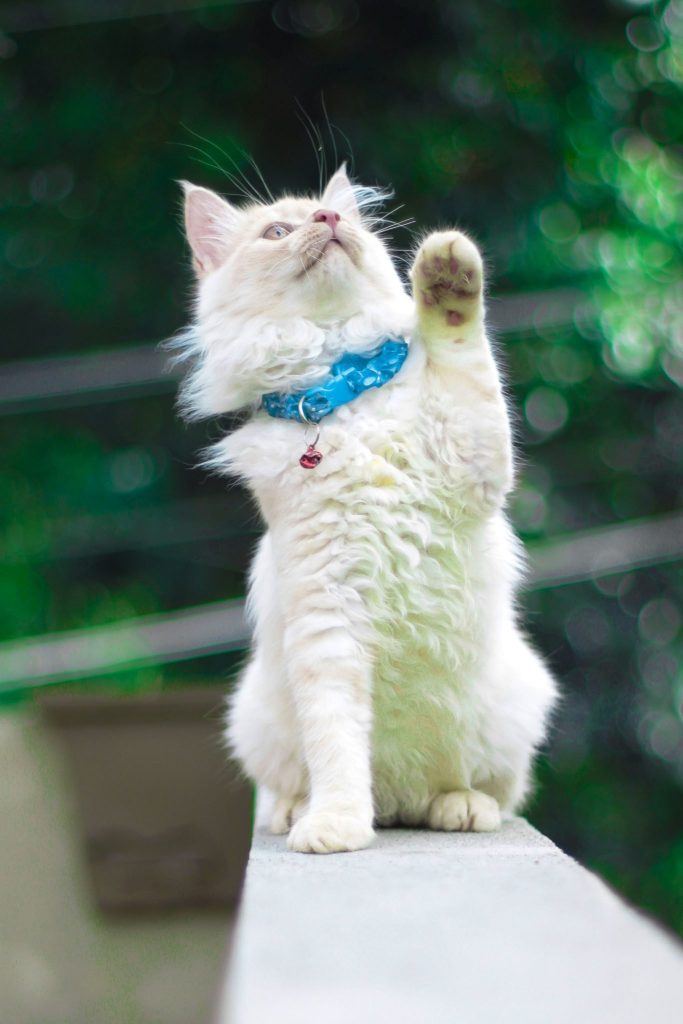
The rewarding nature of this method also makes it suitable for various animals, not just dogs. For instance, in Nigeria, many cat owners have reported success using clicker training to teach their felines simple tricks, such as coming when called or using the litter box. Parrots and even rabbits can be trained using this humane and effective method, proving its versatility.
Clicker Training in Context
In Nigeria, there is a growing emphasis on humane training methods within the pet community. The clicker isn’t just a tool; it’s a bridge between understanding and communication with your pet. Its use can foster a strong bond built on mutual respect rather than fear or adversity.
As you delve into this guide, you’ll discover:
- The fundamental steps to get started with clicker training, from choosing the right clicker to establishing a routine.
- Common mistakes to avoid, such as inconsistency in timing or failing to reinforce behaviors appropriately.
- Advanced techniques for experienced trainers, which can involve chaining behaviors or introducing new tricks that will keep your pet engaged and mentally stimulated.
With patience and practice, using a clicker can transform your training sessions into a rewarding experience for both you and your pet. The journey of training with a clicker not only enhances your pet’s learning experience but can also lead to greater companionship and understanding.
Getting Started with Clicker Training
Embarking on your clicker training journey requires a few essential steps that will set you up for success. Before you introduce the clicker to your pet, it’s vital to choose the right clicker. Clickers come in various shapes and sizes; look for one that fits comfortably in your hand and produces a clear, distinct sound. As you’ll see, mastering the clicker sound is crucial for effective communication with your pet.
Step 1: Conditioning Your Pet to the Clicker
The first thing to do is to teach your pet that the sound of the clicker is a signal for good things to come. This is called “loading the clicker.” Start by clicking and immediately offering a treat every time you click. Repeat this process multiple times until your pet visibly perks up when they hear the click. You may notice them being more attentive, as if they are eagerly awaiting a reward after each sound.
Step 2: Establishing Basic Commands
Once your pet is accustomed to the clicker, you can begin teaching simple commands. Begin with basic cues like “sit,” “stay,” or “come.” Here’s a simple guide for using the clicker effectively:
- Timing: Click the moment your pet performs the desired action. For instance, when your dog sits down, click as soon as their rear touches the ground.
- Reinforcement: Immediately follow the click with a treat, ensuring that your pet associates the click with the reward.
- Consistency: Keep your cues and rewards consistent. Use the same word for the command and be sure to reward them each time they respond correctly.
While training your pet, ensure your environment is distraction-free, especially in the beginning. It’s ideal to train in a quiet area where your pet can focus solely on you. This will heighten their attention and responsiveness to your commands, making clicker training more effective.
Step 3: Reinforcing Good Behavior
As you progress, it’s essential to focus on reinforcing not just new commands but also any positive behaviors exhibited by your pet. For example, if your dog is lying quietly instead of jumping on guests, acknowledging this behavior with a click and a treat can strengthen their understanding that calmness is favored. Being observant will heighten your ability to utilize clicker training effectively—it’s an opportunity to reward your pet for making good choices throughout the day.
It’s also important to remember that patience is key. Each pet learns at their own pace, and your encouragement can make all the difference. Their excitement during these training sessions often leads to a stronger bond between you and your pet, further enriching your shared experiences and trust.
In the next section, we will delve into common mistakes to avoid in clicker training, ensuring you have the best foundation for successful and enjoyable training sessions with your pet.
| Advantages of Clicker Training | Description |
|---|---|
| Enhanced Communication | The clicker creates a distinct sound that signals to your pet exactly when they have done something right, fostering a clearer understanding between you and your pet. |
| Faster Learning | Pets learn quicker with positive reinforcement; the clicker’s immediate feedback helps accelerate this learning process, leading to faster behavior modification. |
| Increased Bonding | Using a clicker can strengthen the bond between you and your pet by promoting positive interactions and making training enjoyable. |
| Versatility | Clicker training can be used for various behaviors, from basic obedience to more complex tricks, allowing for a comprehensive training approach. |
When adopting clicker techniques in your pet training routine, it’s crucial to start with basic commands, gradually building complexity as your pet masters each skill. Be consistent with your clicks and rewards to reinforce desired behaviors. Always pair the clicker’s sound with a treat to create a positive association, ensuring your pet remains enthusiastic about learning. For optimum results, practice in short, engaging sessions to maintain your pet’s attention and motivation. As you progress, explore advanced techniques, such as shaping and targeting, which can significantly enhance learning.Incorporating play and exercise into your training sessions can also yield positive outcomes. It not only makes training fun but also satisfies your pet’s physical and mental needs, making them more receptive to learning. As you delve deeper into the world of clicker training, you’ll discover numerous resources and communities that can offer support and inspire you to achieve incredible results with your pet.
Common Mistakes to Avoid in Clicker Training
While clicker techniques can transform pet training into an engaging and rewarding experience, there are several common mistakes that many pet owners make, which can hinder the effectiveness of their training sessions. Being aware of these pitfalls can enhance your approach and ensure a smoother, more productive experience for both you and your pet.
Inconsistent Click Timing
One of the most critical aspects of clicker training is the timing of your clicks. If your clicker sound does not coincide with the behavior you wish to reinforce, it can create confusion for your pet. For example, if you click a second too late after your dog has executed the command ‘sit,’ they may not associate the click with the action, leading to frustration and misunderstanding. Practice your timing by examining your-clicking reflex and ensuring it’s sharp and precise when the desired behavior occurs.
Overusing Treats
Many pet owners fall into the trap of continuously rewarding their pets with treats, even for minor actions. While initial training involves utilizing treats to encourage desired behavior, be cautious not to rely solely on this method for an extended period. Gradually fading your reliance on treats and incorporating verbal praise and affection can nurture long-term behavior without spoiling your pet. In Nigeria, verbal affirmation like “Good boy!” or “You’re doing great!” paired with a click can be just as effective, making the training humane and impactful.
Neglecting to Keep Sessions Short
Lengthy training sessions can lead to boredom or frustration for both you and your pet. Dogs and other pets often have shorter attention spans, and overwhelming them with long training periods can be counterproductive. Aim for several brief sessions—around 5 to 10 minutes—spread throughout the day. Short bursts of focus will help your pet retain information better and maintain their enthusiasm.
Forgetting to Celebrate Little Wins
Training a pet is not just about correcting unwanted behaviors but also acknowledging and fostering good behavior. Make it a point to celebrate small successes with enthusiasm. For instance, if your puppy successfully comes to you on command, let out an excited “Yes!” along with your click. In Nigerian culture, this aspect of celebrating and acknowledging effort plays a vital role in building trust and boosting confidence both in humans and animals. Moreover, this encourages your pet to partake in the joy of training.
Ignoring Your Environment
Another common mistake is not accounting for environmental factors that may distract your pet. Training in a busy or noisy setting can divert their attention, breaking the learning process. Particularly in urban areas of Nigeria, where bustling markets or traffic can be loud, finding a quiet space for training sessions is essential. If you find your pet unable to concentrate in a particular area, don’t hesitate to change locations and revert to a familiar, calmer environment.
By remaining aware of these pitfalls, any pet owner can create a more effective clicker training program. Remember, the aim is to fortify communication between you and your pet, and understanding these nuances will surely pave the way for a rewarding journey together.
In the next section, we will explore advanced clicker training techniques and tricks to elevate your pet’s skills to new levels.
Conclusion: The Path to Successful Clicker Training
In conclusion, mastering clicker techniques in pet training can profoundly change the dynamics between you and your furry companion. By applying the principles outlined in this guide, you not only teach your pet behaviors but also strengthen the bond built on trust and communication. Remember that timing is crucial; the click should always follow a desired action promptly. Also, consider balancing treats with praise, celebrating small victories, and maintaining engaging and brief training sessions to keep your pet motivated.
Furthermore, creating an optimal training environment is essential; minimizing distractions, especially in urban settings like bustling Nigerian markets, can make all the difference in your pet’s focus. Being mindful of these elements ensures that training is not merely a task, but a fun and enriching experience for both you and your pet.
As you embark on this rewarding journey, be patient and flexible in your approach. Each pet has its unique personality and pace of learning. Embrace the challenges and celebrate the progress, no matter how small. The joy of watching your pet develop new skills while enjoying your company is immeasurable. With consistency and love, you can transform your pet into a well-mannered companion that thrives on the positive reinforcement of clicker training. Be sure to explore further techniques and advanced methods to unlock even greater potential in your pet’s training adventure.