Effects of Environmental Pollution on Pet Health: What Owners Should Know
Environmental Pollution and Its Impact on Pet Health
Our furry companions rely on us for their safety and wellbeing, which makes it imperative for pet owners to understand the myriad dangers posed by environmental pollution. In Nigeria, the rapid pace of urbanization, coupled with industrial activities and inadequate waste management, has drastically increased pollution levels. This not only affects humans but also poses significant risks to pets, who are often unable to communicate their discomfort or distress. Awareness of these hazards can empower owners to take proactive steps to protect their pets.
Key Pollutants to Consider
- Air Pollution: Urban areas in Nigeria, especially cities like Lagos and Port Harcourt, often experience high levels of air pollution due to emissions from vehicles, factories, and burning waste. Contaminants like carbon monoxide and particulate matter can penetrate the lungs of pets, leading to chronic respiratory issues, coughing, and lethargy. For instance, dogs may develop conditions similar to asthma in polluted environments, making it imperative for owners to monitor their breathing closely.
- Water Pollution: Contaminated water sources can wreak havoc on pet health. Tainted drinking water, which can come from industrial runoff or poorly managed sewage systems, can lead to severe gastrointestinal problems, including vomiting and diarrhea. Contaminants such as heavy metals might disrupt a pet’s digestive system, resulting in potential toxic reactions that can jeopardize their health.
- Soil Contamination: The presence of pesticides, herbicides, and heavy metals in the soil can create a not-so-friendly environment for our pets. When these harmful substances enter the food chain, often through contaminated plants or prey, they can pose serious health risks to pets, potentially leading to poisoning. Owners should be cautious of areas where pets play, especially in agricultural regions where chemical usage is prevalent.
Recognizing these risks allows pet owners to establish preventive measures, safeguarding their pets from the adverse effects of pollution. It is vital for owners to be vigilant about symptoms indicative of pollution-related health issues. By being informed and observant, prompt veterinary care can be sought when needed, which can be crucial for recovery.
What Owners Need to Know
- Regular veterinary check-ups can help in the early detection of pollution-related illnesses. Engaging with a local veterinarian familiar with the environmental challenges in Nigeria can aid in tailored wellness plans.
- To limit exposure, keeping pets indoors during high pollution days, particularly during rush hours or after rainfall when pollutants are often washed into residential areas, is advisable. Gardening or exercise during less polluted times can also reduce risks.
- Providing proper nutrition and hydration is essential, as it can enhance a pet’s immune system, better equipping them to handle environmental stressors. Consult with a vet about feeding practices that may mitigate these issues, including supplement options that can help detoxify toxins.
As pollution levels continue to fluctuate, staying informed about pet health and safety is a critical responsibility for every pet owner. By taking proactive steps today, owners can pave the way for a healthier tomorrow for their beloved companions.
Understanding the Impact of Pollution on Your Pet
The adverse effects of environmental pollution extend far beyond just human health; they dramatically influence the wellbeing of our pets as well. As we navigate our daily lives amidst smog, waste, and contaminated resources, it is essential to recognize how these factors can silently invade the lives of our beloved companions. It’s crucial to equip ourselves with knowledge about the specific risks that pollution poses to pet health in Nigeria, allowing us to create a safer environment for them.
The Hidden Dangers of Air Quality
Air pollution is a pressing concern in many Nigerian cities, primarily due to emissions from traffic congestion, industrialization, and waste incineration. Pets, particularly dogs and cats, are at risk of developing respiratory issues caused by inhaling polluted air. According to recent studies, pets chronicled in areas with elevated particulate matter and chemical pollution often present symptoms akin to asthma, such as coughing, sneezing, and difficulty breathing. This silent but menacing threat often goes unnoticed until significant health deterioration occurs.
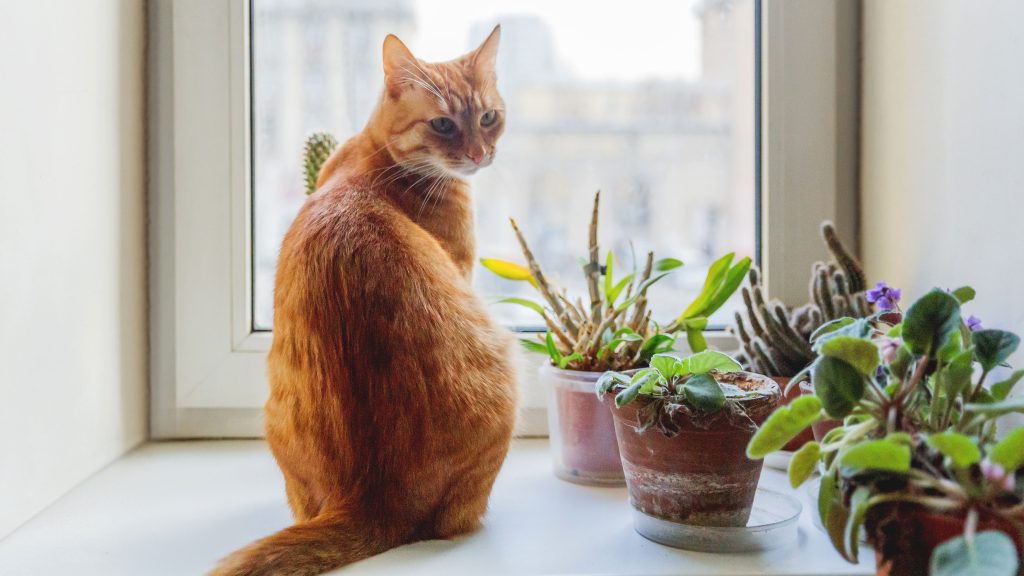
Moreover, pets who spend extensive time outdoors may be more vulnerable to environmental toxins released through polluted air. It’s important to be aware of the signs of respiratory distress in your pets, such as unusual panting or a reluctance to engage in physical activities. Regular health checks and reports of air quality in your area can enable pet owners to better manage their companions’ outdoor exposure.
The Consequences of Contaminated Water
Access to clean drinking water is vital for all living beings, but the unfortunate reality is that many pets unknowingly consume polluted water. In communities where industrial runoff affects local water bodies, harmful substances can seep into pet hydration sources. Heavy metals and chemical pollutants can lead to severe gastrointestinal issues, notably diarrhea and vomiting. In severe cases, prolonged exposure to contaminated water can result in chronic health issues, compromising the pet’s overall health.
Pet owners should ensure they provide fresh water and regularly check water sources for signs of contamination. Employing water filtration systems can also help mitigate this risk, ensuring that pets stay healthy and hydrated.
Soil and Food Safety Concerns
The health of pets can also be directly influenced by the quality of soil in their environment. Many urban areas in Nigeria grapple with soil contamination, primarily due to the extensive use of pesticides and herbicides. These toxic chemicals can permeate the ground and eventually make their way into food sources, whether through plants or animals that live in those areas. Consequently, pets who ingest contaminated food or even play in polluted dirt are at risk of poisoning, which can spur a cascade of health problems.
- Look for signs of illness, including lethargy and changes in appetite.
- Monitor outdoor play areas for potential harmful substances.
- Consult veterinarians regarding safe feeding practices, especially if your pet may be consuming locally sourced food.
By understanding these pollutants and their potential effects, pet owners can take definitive steps toward minimizing risks and enhancing the health of their furry companions.
| Category | Details |
|---|---|
| Air Quality | Poor air quality is linked to respiratory issues in pets, mirroring effects seen in humans. |
| Toxic Substances | Exposure to contaminated water and soil can lead to gastrointestinal and neurological problems in pets. |
Environmental pollution significantly impacts pet health, with numerous factors contributing to increasing concern among pet owners. Air pollution, including particulate matter and volatile organic compounds, can lead to serious respiratory ailments in pets, such as asthma or chronic bronchitis. Dogs and cats are particularly vulnerable, as they often have closer interactions with ground-level pollutants. Additionally, toxic substances that permeate our environment can easily reach our pets through contaminated water supplies and soil. For instance, heavy metals like lead or cadmium can accumulate in the pet’s system, potentially leading to gastrointestinal disruptions and even neurological disorders. The implications of this pollution necessitate increased awareness among pet owners about environmental factors affecting their furry companions. Owners should consider regular health check-ups and be vigilant about any signs of distress in their pets, enabling timely intervention when necessary. Recognizing these environmental threats paves the way for informed decisions that can safeguard the health of our beloved animals.
Identifying Pollution Risks in Your Pet’s Environment
Being aware of the various forms of pollution in your pet’s surroundings is pivotal for their health. Environmental contaminants can manifest in numerous ways, often infiltrating the most common areas where pets reside and play. Understanding how these pollutants affect pets can empower owners to proactively protect their furry friends.
Heavy Metals and Their Impact
In urban areas of Nigeria, the threat of heavy metals like lead and mercury cannot be overlooked. These metals often find their way into the soil and water due to inefficient waste management and industrial activities. Pets may inadvertently come into contact with contaminated soil during outdoor activities or ingest pollutants from tainted water sources. Exposure to heavy metals can result in neurological issues, kidney damage, and chronic illnesses.
Pet owners should regularly scrutinize their surroundings for potential sources of contamination. Implementing safe practices, such as avoiding areas near industrial sites or reducing outdoor playtime following heavy rainfall, can help mitigate the risks associated with heavy metal exposure.
Plastic Pollution and Its Dangers
Another critical aspect of environmental pollution is plastic waste, which poses a significant threat to pets. Pets, especially dogs, are known to chew on found objects, and this behavior can lead them to consume plastic debris. Ingesting plastic can result in gastrointestinal blockages and injuries that require immediate veterinary attention. Grave concerns arise from their engagement with plastic pollution since it can leach harmful chemicals into their systems.
To combat plastic pollution, pet owners are encouraged to maintain clean environments by picking up litter and educating themselves about sustainable waste disposal practices. Additionally, consider investing in biodegradable pet products to minimize the overall use of plastic in your pet’s life.
Indoor Pollution: A Silent Threat
While outdoor pollution often garners significant attention, indoor air quality is equally crucial. Many households in Nigeria use household cleaning products containing volatile organic compounds (VOCs) that can be detrimental to both people and pets. These compounds can lead to respiratory issues, skin irritations, and other health complications over time.
Pet owners can improve indoor air quality by opting for natural cleaning solutions that are free from harmful chemicals. Additionally, ensuring proper ventilation when using such products can greatly benefit both human and animal inhabitants alike.
Advocating for Pet Health in Your Community
As concerned pet owners, advocacy for cleaner environments is vital. Participating in community clean-up initiatives not only helps reduce pollution but fosters a communal responsibility towards health and safety. Educating fellow pet owners about the direct correlation between environmental pollution and pet health is essential for creating a collective approach to safeguarding our furry companions.
- Engage with local veterinarians for insights on pet-safe environmental practices.
- Organize awareness campaigns focusing on the importance of reducing pollution for pet health.
- Leverage social media to spread the word and encourage responsible behavior among pet owners.
By being proactive and informed, pet owners can significantly reduce pollution-related risks and improve the quality of life for their beloved animals. Taking these steps not only protects pets but also contributes to the broader goal of creating a healthier environment for all.
Conclusion
Environmental pollution poses significant threats not only to human health but also to the well-being of our cherished pets. As we have explored, contaminants such as heavy metals, plastic waste, and indoor air pollutants can lead to a myriad of health issues, affecting the quality of life of animals across Nigeria. Pet owners must adopt a vigilant approach to safeguard their furry companions by staying informed about the pollutants present in both outdoor and indoor environments.
Awareness is the first step; however, proactive measures are essential. By implementing simple strategies—avoiding contaminated areas, using pet-safe cleaning solutions, and participating in community initiatives—owners can create healthier environments for their pets. Additionally, fostering discussions among fellow pet lovers and advocating for cleaner practices can enhance community awareness about the interconnectedness of environmental health and pet welfare.
As we navigate the effects of pollution, it’s crucial to regularly consult with veterinarians and leverage resources that inform pet owners about best practices. The responsibility lies not only with individual pet owners but also within communities to advocate for a cleaner, safer environment. Through collective efforts and a commitment to reducing pollution, we can ensure that our pets lead healthy, happy lives amidst the challenges posed by environmental degradation.
Ultimately, understanding the effects of environmental pollution on pet health is not just a personal concern but a community challenge that demands immediate action and ongoing awareness.