Creating Art with Threads: Weaving Techniques for Beginners
Discover the Art and Craft of Weaving
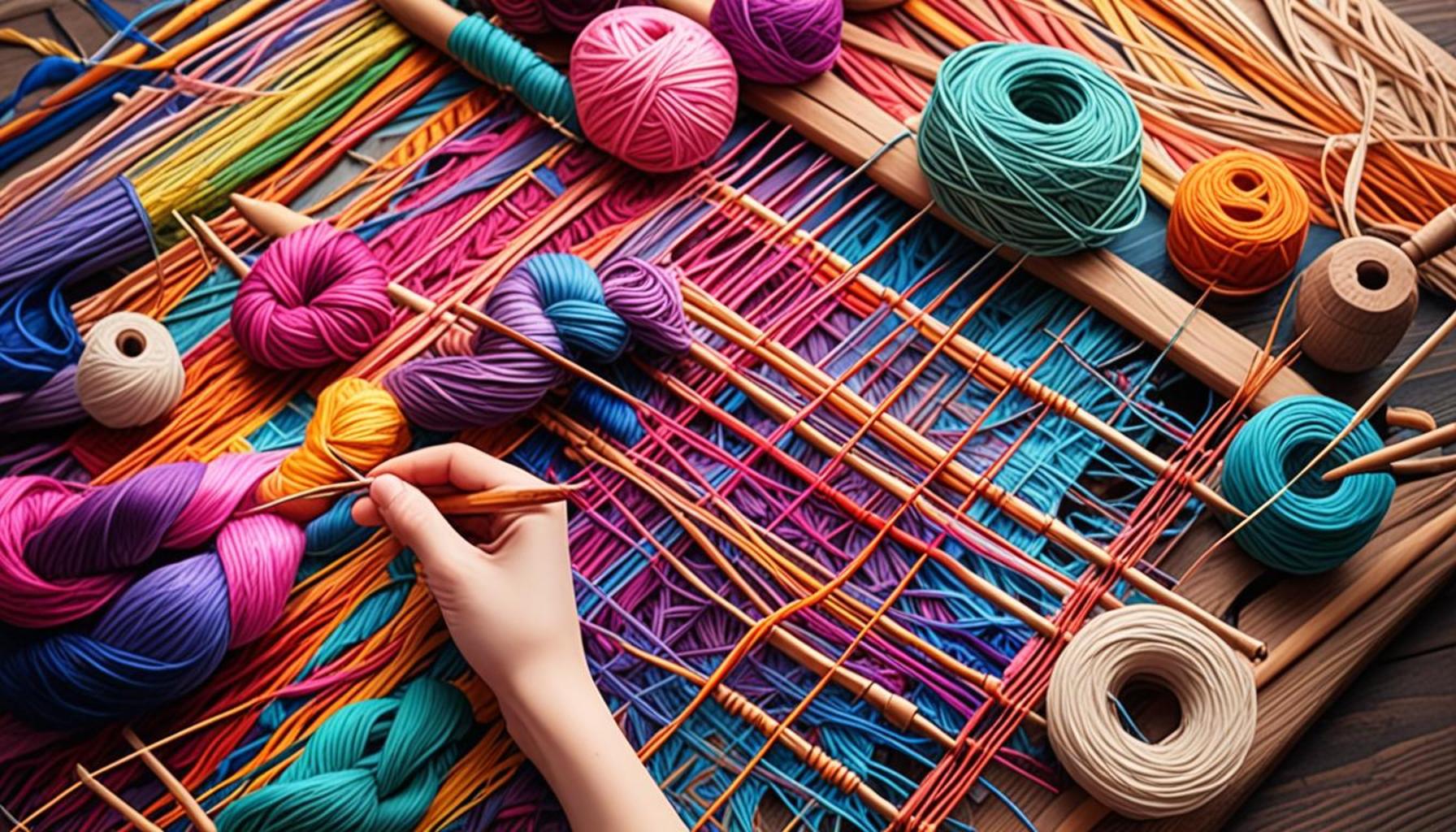
Weaving stands as a timeless tradition that marries creativity with practical skill, transforming unassuming threads and yarns into breathtaking works of art. This enchanting craft not only showcases individual artistic expression but also serves as a therapeutic outlet, allowing practitioners to unwind and escape the pressures of modern life. Whether you are creating a decorative textile or a functional item, weaving can be an immersive journey that invites both reflection and exploration.
If you’re new to the world of weaving, you might be wondering how to approach this intricate art form. Luckily, there are various avenues worth exploring:
- Types of Weaving: You can delve into traditional methods, such as tapestry weaving, where images and designs are woven directly into textiles, and loom weaving, which utilizes a loom to create fabric through interlacing vertical and horizontal threads. Each technique has its own unique characteristics and applications, allowing for a diverse range of artistic expressions.
- Materials: The foundation of any weaving project lies in the materials used. You’ll discover various types of threads and yarns—including cotton, silk, wool, and synthetic fibers—each offering different textures and appearances. Tools such as looms, shuttles, and warp-weighted implements are essential for constructing your woven items. Finding the right materials can significantly enhance both the process and the final product of your weaving endeavors.
- Techniques: Beyond the basics, weaving incorporates numerous techniques that can elevate your creations. You might experiment with knotting to create fringe, braiding for decorative elements, or embroidery to add intricate designs on your woven pieces. Each technique opens a world of possibilities for adding personal flair to your projects.
In Nigeria, weaving holds deep cultural significance and showcases an incredible diversity of styles and techniques. The famous aso-oke cloth, typically worn during significant cultural ceremonies such as weddings, signifies not just artistry but also the vibrant heritage of the Yoruba people. Additionally, Adire, a resist-dyeing technique from the southwestern region, is another exemplary form of textile artistry that tells stories of tradition and community through its patterns and colors.
Regardless of your skill level, engaging with weaving can lead to meaningful creations that resonate with your personal aesthetic. Through dedication and practice, you will be able to craft beautiful, original pieces that not only showcase your artistic vision but also connect with the rich traditions of your culture.
This guide will equip you with the essential techniques, recommended materials, and creative tips aimed at inspiring and empowering you on your weaving journey. We invite you to join us in unraveling the beauty and possibilities that weaving has to offer, where the simple art of threading together can create profound and lasting works of art.
RECOMMENDED: Check out this similar article
Understanding the Basics of Weaving
Before you dive into the world of weaving, it’s crucial to understand its fundamental elements and the various techniques available to you. Weaving encompasses a variety of styles, each offering its unique charm and complexity. Here, we will explore some of the most common techniques that beginners can grasp to start their artistic journey.
Loom Weaving is perhaps the most widely-known method. This technique involves the use of a loom, a frame or apparatus that holds the threads in position to allow interlacing of weft (horizontal threads) and warp (vertical threads). As a beginner, you may wish to start with a simple frame loom, which can be easily constructed or purchased. Frame looms are versatile, allowing you to create both traditional and contemporary designs, making them perfect for novices.
Another popular method is tapestry weaving. Tapestry is characterized by its use of colored threads to form images or patterns, resulting in decorative wall hangings or functional pieces. Unlike loom weaving, tapestry is typically done on a vertical loom and emphasizes artistic expression rather than creating fabric for garments. For beginners, this technique provides a wonderful opportunity to play with color and texture, and each piece tells a story through its design.
Additionally, many artisans embrace handweaving, where creations stem from personal skill rather than the constraints of a loom. This technique allows for more flexibility and spontaneity, making it an exciting option for those who enjoy creating unique items. Handweaving also invites experimentation with various knot patterns, which can add delightful textural contrasts to your work.
Essential Materials for Weaving
The joy of weaving begins with selecting the right materials. Your choice of threads and yarns will significantly impact the aesthetic and functionality of your finished piece. Here’s a brief overview of some of the most common materials:
- Cotton: One of the most accessible and versatile threads, ideal for beginners due to its ease of use and range of colors.
- Wool: Known for its warmth and texture, wool yarn can create vibrant pieces and is perfect for heavier projects.
- Silk: For more luxurious creations, silk yarn provides a stunning sheen and smooth finish, often used in delicate pieces.
- Synthetic Fibers: These offer durability and a range of textures at an economical price, which is beneficial for beginner projects.
With these basic materials, you will have a foundation to work from as you embark on your weaving adventure. Remember, the world of weaving is vast and varied, so don’t hesitate to experiment with different threads and tools to discover your preferred style.
Understanding the basics of weaving and the materials involved will set the stage for your creative process. As you begin to explore these techniques, keep in mind that patience and practice are key components to mastering this captivating craft. In the next sections, we will delve deeper into specific weaving techniques and offer tips to enhance your skills, helping you to truly create art with threads.
| Advantage | Description |
|---|---|
| Creative Expression | Weaving provides a unique medium for artistic expression. By manipulating threads, beginners can create intricate patterns and textures that reflect their personal style. |
| Relaxation and Mindfulness | Engaging in weaving techniques encourages mindfulness. The repetitive motions can lead to a meditative state, helping to reduce stress and promote relaxation. |
Weaving is not merely a craft; it is an opportunity for profound self-discovery and exploration. With every weave and knot, beginners find their footing in a world rich with color, texture, and rhythm. Stunning visuals are achieved through simple stitches, making this an approachable art form for everyone.Moreover, learning to weave cultivates not just creativity, but also patience and discipline. Each project takes time, encouraging artisans to savor the process rather than rush to completion. As confidence grows, so too might the complexity of projects, paving the way for more advanced techniques such as tapestry weaving or incorporating mixed materials.The community surrounding weaving is another invaluable resource. Joining local workshops or online forums opens doors to valuable feedback and shared knowledge, greatly enhancing the learning experience. The journey of mastering weaving techniques is as enriching as the creations themselves.
LEARN MORE: This related article may interest you
Diving Deeper into Weaving Techniques
Having grasped the essential elements of weaving and the materials required, it’s time to explore specific techniques that can elevate your skills. Beginners can navigate through a range of methods, each presenting its own character and aesthetic possibilities. By incorporating these techniques into your practice, you’ll not only enhance your craftsmanship but also cultivate your unique style.
Plain Weave
The plain weave is often considered the cornerstone of all weaving techniques, making it an ideal starting point for beginners. In this method, the weft threads pass over and under the warp threads in a consistent pattern, creating a crisp, flat fabric. This straightforward approach emphasizes versatility, allowing for the creation of simple tapestry pieces, table runners, or even wall hangings.
An important aspect to note is the use of different thread thickness and colors in plain weaving. For example, incorporating vibrant cotton yarns will result in a striking finished piece, while blending various textures can add depth to your creation. As you gain more confidence, experiment with color combinations to expand your artistic voice.
<h3 Sampling Techniques
Another valuable technique for beginners is sampling. This involves weaving small test pieces to explore different structures and designs before committing to a larger project. Sampling allows you to play with patterns, yarns, and techniques, providing crucial insights into what works best for your style
For instance, when using a frame loom, create samples of different tightening and loosening of warp threads to see how it affects your fabric’s drape and texture. You can also try out various knot techniques common in handweaving, like the lark’s head knot or the square knot, to discover the fascinating textures they add to your works. This process not only facilitates learning but also sparks creativity, leaving ample room for artistic exploration.
Complex Weaving Techniques
Once you feel comfortable with the basics, consider delving into more complex techniques. Ply-splitting is a method that creates a sturdy, textured fabric using multiple threads. This technique is excellent for those who enjoy dimension in their pieces. Additionally, lace weaving involves creating delicate patterns using intricate techniques that may seem daunting but can yield stunning results.
For instance, in Nigeria, the tradition of Adire, a form of indigo-dyed textiles, can inspire weavers to experiment with these complex techniques to produce unique results. Engaging with local crafts and techniques can also further your understanding of cultural narratives through weaving.
Joining the Weaving Community
While weaving is often perceived as a solitary activity, engaging with a community can immensely enhance the learning experience. Seek out local weaving groups or online forums where you can share your work, receive feedback, and collaborate on projects. Connecting with fellow weavers may also expose you to new techniques, tips, and tricks that could enrich your practice.
- Social Media Platforms: Explore Instagram or Facebook groups dedicated to weaving, where artisans share their work and projects.
- Workshops: Consider attending weaving workshops in your area to gain hands-on experience.
- Craft Fairs: Participate in local craft fairs to network with other artisans and potentially gain exposure for your creations.
As you explore these weaving techniques and engage with a community, you will uncover endless possibilities to express your creativity. The journey of creating art with threads offers not just the pleasure of crafting but also an opportunity to connect with tradition, culture, and fellow enthusiasts.
LEARN MORE: This related article may interest you
Conclusion: Embarking on Your Weaving Journey
In the vibrant world of weaving, beginners have the opportunity to not only hone their technical skills but also to express their creativity through an array of methods. From the foundational plain weave to the more intricate ply-splitting and lace weaving, each technique invites you to explore and innovate. As you practice and experiment with various materials and patterns, your artistic voice will flourish, allowing you to produce unique and meaningful pieces that reflect your personal journey.
The process of sampling is invaluable for building confidence and understanding your materials. It is essential to embrace this creative exploration and learn what resonates with your aesthetic. Furthermore, being part of a community, whether by joining local groups or engaging with online forums, can greatly enhance your experience, offering valuable feedback, support, and inspiration from fellow weavers.
As you take your first steps in this craft, remember that weaving is not just about creating fabric; it’s about weaving narratives, culture, and connections with both the threads and the people in your community. The stories woven into each piece serve as a reminder of the traditions we share and the innovation we bring to the art. Dive into the world of creating art with threads, and discover the myriad possibilities that await you. By embracing both the technical and artistic aspects of weaving, you will embark on a fulfilling journey that promises to transform your perspective on this timeless craft.