Dental Care for Pets: Prevention of Oral Problems in Dogs and Cats
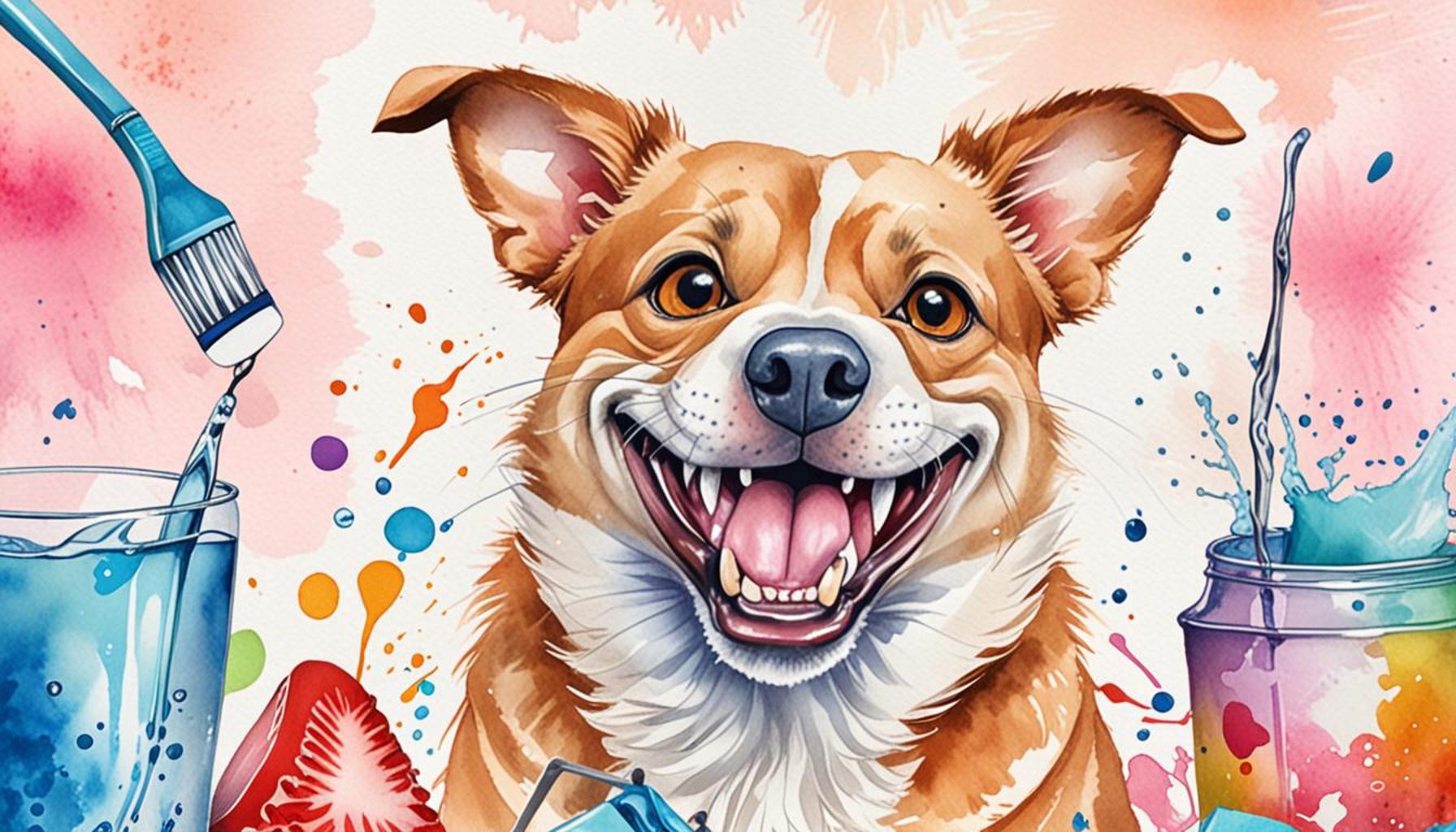
The Undeniable Necessity of Dental Care in Pets
The oral health of our pets is a subject that frequently slips under the radar for many pet owners. The reality is that just like humans, both dogs and cats are highly susceptible to a series of oral complications that could potentially escalate into serious health threats. Ensuring regular dental care for your furry friends is not just a matter of maintaining clean teeth; it plays a critical role in their overall well-being and longevity.
Common Oral Health Issues
When discussing the common oral health issues in pets, it’s vital to shed light on a few prevalent conditions:
- Periodontal disease – This condition arises when bacteria in plaque and tartar build up, leading to inflammation and infection of the tissues surrounding the teeth. In advanced stages, periodontal disease can lead to tooth loss and even systemic infections.
- Tooth decay – Often a result of inadequate dental hygiene and diets rich in sugars, tooth decay can cause pain and discomfort, often going unnoticed until it becomes severe.
- Bad breath – While it may seem like a small issue, persistent bad breath can signify underlying health problems, including infected teeth or gum disease.
Why Dental Care Cannot Be Overlooked
In many parts of Nigeria, particularly in rural areas, the critical importance of dental care is sometimes overshadowed by other pressing health concerns. However, investing time and awareness in proper dental practices for pets is crucial for several reasons. Routine dental check-ups can prevent complications such as:
- Pain and discomfort – Unattended dental issues can manifest as chronic pain, affecting your pet’s ability to eat or play, ultimately diminishing their quality of life.
- Systemic health issues – Recent studies reveal a strong connection between oral hygiene and serious health problems such as heart and kidney diseases that can arise from the bacteria associated with dental issues.
- High veterinary costs – Treating advanced dental diseases can lead to significant veterinary bills that, with proper preventive care, can often be avoided.
Boosting Your Pet’s Dental Health
Fortunately, taking proactive steps to enhance your pets’ dental health can be relatively simple. Regular brushing, ideally starting when pets are young, is one of the most effective methods. It’s recommended to use toothpaste specifically designed for pets, as human toothpaste can be harmful to them. Additionally, incorporating dental treats into their diets, which are specially formulated to reduce plaque and tartar, can make a notable difference.
The choice of food plays a significant role as well. Opting for high-quality dry kibble can help maintain dental health, as the crunchy texture aids in cleaning the teeth as the pet chews. Regular veterinary check-ups, ideally every six months, should not be overlooked, as these professional evaluations can catch issues early, before they develop into severe problems.

By dedicating a little time to your pet’s dental care, you pave the way for not only a healthier mouth but also a happier, longer life for your beloved companion. Remember that prevention is always better than cure when it comes to maintaining optimal health for your pets.
Understanding the Impact of Oral Hygiene on Pet Health
Dental care for pets is not just a luxury; it is a fundamental necessity for every responsible pet owner. In Nigeria, where many pet owners may prioritize other health issues, the importance of maintaining oral hygiene for dogs and cats should not be underestimated. Many pet health professionals indicate that a vast number of pets aged three years and older are likely to exhibit some form of dental disease. This striking statistic underscores the urgency of addressing oral health proactively.
Recognizing Early Signs of Oral Problems
Being aware of the early signs of oral health issues can greatly enhance your pet’s well-being. Paying close attention to your pet’s behavior can help in catching dental problems before they escalate. Some key indicators of oral issues include:
- Frequent pawing at the mouth – This may signify discomfort or pain.
- Difficulty chewing or picking up food – Changes in eating habits can be a red flag.
- Excessive drooling – While some drooling is normal, an increase can indicate dental problems.
- Changes in behavior – An otherwise playful pet that becomes withdrawn might be experiencing oral discomfort.
Recognizing these signs early can prevent more serious health complications that may arise later. In rural and urban areas alike, educating pet owners about these symptoms is fundamental in fostering a culture of proactive dental care for pets.
Implementing Effective Dental Care Practices
Adopting effective dental care practices can significantly mitigate the risk of oral diseases. Starting dental care when pets are young is ideal, as it helps them become accustomed to the routines that promote oral health. The following practices are essential in maintaining your pet’s dental hygiene:
- Regular brushing: Aim to brush your pet’s teeth several times a week. Using pet-specific toothpaste can make this task easier and safer for them.
- Dental toys: Providing toys designed to promote chewing can help strengthen teeth and reduce plaque buildup.
- Professional cleanings: Seek veterinary advice for professional dental cleanings, which are crucial in identifying and managing dental issues before they become severe.
- Feeding a balanced diet: Incorporate dental-friendly food and treats to help in the prevention of tartar accumulation.
In a country like Nigeria, where access to veterinary care may sometimes be limited, educating pet owners on these basic dental care practices can go a long way in improving the overall health of dogs and cats. These small adjustments can lead to significant long-term health benefits for our beloved pets.
When discussing Dental Care for Pets, it’s crucial to highlight preventative measures that can substantially reduce oral health issues in both dogs and cats. Did you know that nearly 80% of dogs and 70% of cats show signs of oral disease by the age of three? This stark statistic underscores the importance of starting dental care early in a pet’s life.
Regular dental check-ups with a veterinarian can be a game changer. Professional dental cleanings allow for the removal of plaque and tartar buildup that pets can’t eliminate on their own. In addition to professional care, a pet owner can implement a daily dental hygiene routine that typically includes:
- Brushing Teeth: Using pet-specific dental toothpaste and toothbrushes can significantly enhance oral health.
- Dental Treats: Approved dental chews and treats can mechanically reduce plaque and freshen breath.
- Water Additives: Specially formulated additives can be mixed in your pet’s drinking water for added dental protection.
Moreover, it’s important to recognize the link between dental health and overall well-being. Untreated dental issues can lead to serious complications, including heart, liver, and kidney diseases. Also, chronic pain from dental problems can affect your pet’s quality of life, making them less active or more irritable. By prioritizing dental care, you are not just preventing oral problems; you are also safeguarding your pet’s overall health and happiness.
To stay proactive, consider incorporating dental care into your pet’s health regimen. Each step taken towards maintaining their oral hygiene leads to healthier, happier pets.
| Prevention Techniques | Key Benefits |
|---|---|
| Regular Vet Check-Ups | Early detection of dental issues |
| Daily Brushing | Prevention of plaque and tartar buildup |
| Dental Chews | Mechanically reduces plaque during chewing |
| Dental Water Additives | Continual dental support between brushings |
By taking these preventative measures and educating pet owners about the importance of dental health, we can collectively improve the lives of dogs and cats. A more informed pet owner means healthier pets and fewer dental problems.
Advanced Strategies for Maintaining Oral Health
While the basics of pet dental care are essential, employing advanced strategies can further safeguard your furry friends from oral problems. As a pet owner in Nigeria, where rising awareness about animal health is evident, integrating these strategies can be both effective and gratifying.
Utilizing Dental Treats and Chews
In addition to regular brushing, incorporating vet-approved dental treats and chews into your pet’s diet can significantly improve their oral health. These specially designed products not only taste great to your pets but also serve a purpose by helping to control plaque and tartar buildup. Look for products that have the Veterinary Oral Health Council (VOHC) seal, which indicates that the product has been tested and proven to be effective in maintaining dental hygiene.
Many local shops and markets across Nigeria are beginning to stock a variety of these dental chews, making them more accessible for pet owners who want to invest in their pets’ health. Moreover, using such treats can make dental care a rewarding experience for your pets, as they associate tooth care with something enjoyable.
Making Regular Veterinary Visits a Priority
As critical as home dental care is, regular veterinary check-ups cannot be overlooked. Veterinarians can perform comprehensive dental examinations and cleanings that go beyond what can be done at home. These visits help in the early detection of potential problems such as gingivitis, periodontal diseases, or broken teeth, providing timely intervention if necessary.
It is recommended to schedule an annual dental check-up for your dogs and cats. For pets over the age of five, more frequent visits may be advisable. Additionally, these veterinary consultations allow for professional advice tailored to your pet’s specific dental needs and lifestyle, especially considering dietary nuances in different regions of Nigeria.
Integrating Dental Hygiene into Daily Routines
For many pet owners, finding time for dental care can be challenging. Thus, integrating oral hygiene into daily routines can make it feel less burdensome. Consider incorporating brushing into a play session or reward time. This can help in establishing a positive association. Alternatively, slowly introducing dental brushes or toys during regular play can make them part of your pet’s enjoyable moments.
Moreover, for cats who often resist your attempts at brushing, introducing flavored dental water additives can serve as an alternative. These additives, enriched with enzymes that combat plaque and bad breath, may appeal to finicky felines while simplifying dental care routines for their owners.
The Role of Education and Community Engagement
Critical to the success of dental care for pets in Nigeria is community engagement and education. Sharing knowledge about dental health through local veterinary workshops, community gatherings, and even social media platforms can spread awareness. Pet owners who are informed about the significance of routine dental checkups and how to spot early signs of dental disease become proactive advocates for their pets.
Engaging local veterinarians for community outreach programs can enhance access to much-needed information and services, while also creating a support network for pet owners. This communal approach can make a significant difference in the incidence of oral health issues among pets.
In summary, by embracing not just fundamental but also advanced dental care practices, Nigerian pet owners can lead the way in preventing oral health problems, enhancing the quality of life for their beloved dogs and cats.
Understanding the Importance of Pet Dental Care
In conclusion, dental care for pets is not merely a routine task; it is a vital aspect of overall pet health that deserves serious attention. Many pet owners may underestimate the impact of oral hygiene on their furry friends, believing that bad breath is just a minor nuisance. However, poor dental health can lead to severe consequences, including periodontal disease, tooth loss, and systemic health issues that can affect the heart, liver, and kidneys. In Nigeria, where pet ownership is on the rise, it’s essential to foster a culture of preventive care.
The prevention of oral problems in dogs and cats is achievable through a combination of fundamental practices, advanced strategies, and community involvement. For instance, regular brushing is highly recommended; it can be approached as a bonding activity. Using pet-friendly toothbrushes and toothpaste, owners can establish a routine to make it enjoyable for their pets. Additionally, utilizing vet-approved dental chews can further enhance this regimen, serving as treats that simultaneously clean teeth and promote overall oral health. These chews are often formulated to reduce plaque and tartar buildup and can be found in popular pet stores across Nigeria, tailored to the needs and sizes of various breeds.
Moreover, prioritizing veterinary check-ups is crucial. Routine veterinary dental cleanings not only identify potential issues early but also provide a deeper cleaning than can be achieved at home. Local veterinary clinics may offer dental health awareness days, providing reduced-cost services to encourage pet owners to take action. This proactive approach is vital in combating the prevalence of dental diseases among pets.
Integrating dental hygiene into daily routines transforms a potential chore into an enjoyable experience for both pets and their owners. Activities like playing tug-of-war with a dental rope toy not only provide exercise but also benefit oral health by cleaning teeth as pets chew. The emphasis on education and community engagement ensures that knowledge about preventive dental care spreads everywhere, from urban settings like Lagos to rural areas, empowering pet owners to take proactive measures against oral diseases.
As society grows more aware of the importance of pet health, it is crucial to continue advocating for and implementing effective dental care strategies. Awareness campaigns, often led by local animal welfare organizations, can enlighten pet owners about the signs of dental problems and the importance of regular vet visits. The ripple effect of informed pet ownership not only helps individual pets but fosters a healthier environment for all animals in our communities. Therefore, let us embrace the responsibility of maintaining our pets’ dental health—not just for today but for the joyful tomorrows we create together.