Developing Marquetry Skills: Creating Custom Furniture and Decorations
Unleashing Creativity Through Marquetry
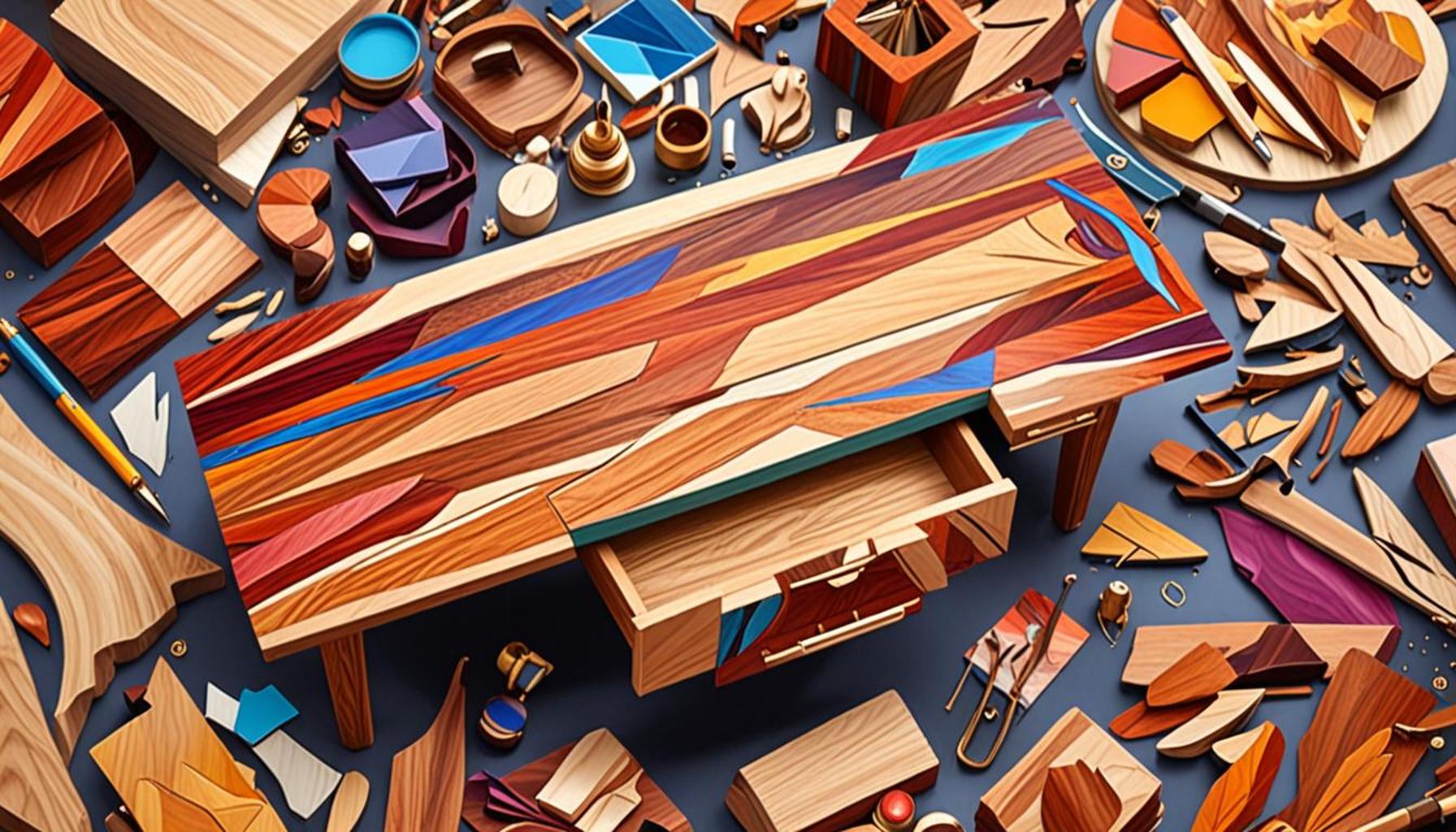
Marquetry is an art form that combines craftsmanship with creativity, allowing artisans to transform ordinary pieces of wood into stunning works of art. By developing marquetry skills, you can create custom furniture and decorations that reflect your personal style and culture. This intricate technique has captivated artists for centuries, with its origins tracing back to ancient civilizations in Egypt and Rome. Today, marquetry finds a new home in Nigeria, where it is being embraced by a new generation of creators eager to explore its rich potential.
This traditional woodworking technique has deep roots, and its resurgence is captivating many in Nigeria. Here are some key aspects of marquetry:
- Materials Used: Various types of wood, including mahogany, oak, and ebony, which are chosen not only for their beauty but also for their durability. The unique colors and grains of these woods enable the creation of vibrant designs that stand out.
- Applications: Furniture pieces such as tables, cabinets, and chairs benefit greatly from marquetry, enhancing their aesthetic appeal. Additionally, wall hangings and decorative items like coasters or picture frames can serve as functional art pieces in any home.
- Techniques: Techniques such as inlaying involve embedding pieces of wood into a base surface to create intricate images, while laminating layers can add depth and texture. Cutting designs meticulously is equally essential, allowing for greater creativity and precision in the finished product.
In a country with rich artistic heritage, learning marquetry can pave the way for contemporary expressions of design. From intricate patterns reminiscent of age-old traditions to modern minimalist approaches, the possibilities are endless. Craftsmanship can also serve as a means of storytelling, allowing artisans to incorporate cultural motifs and personal narratives into their creations.
Moreover, creating custom pieces can be a fulfilling way to breathe new life into existing furniture. Distressing an old wooden chair or revamping a traditional table with marquetry can infuse contemporary flair into beloved items, making them relevant in today’s design landscape. This not only promotes sustainability through upcycling but also enhances personal connections to these cherished pieces.
In Nigeria, workshops and classes are sprouting up, offering opportunities for aspiring artisans to learn marquetry techniques. Communities are forming around this craft, fostering collaboration and innovation among creative minds. Not only does marquetry serve as a means of self-expression, but it also has the potential to uplift local economies through the sale and promotion of unique, handcrafted items.
As you embark on your own marquetry journey, consider the cultural narratives and personal stories you wish to weave into your designs. Your creations can contribute to a thriving artistic community that celebrates Nigeria’s vibrant artistic past while looking toward a creative future.
YOU MAY ALSO LIKE: Read read another article
The Essential Elements of Mastering Marquetry
Embarking on the journey of developing marquetry skills involves understanding several essential elements that define the craft. From selecting the right materials to mastering intricate techniques, each step is crucial in creating stunning custom furniture and decorations that resonate with your personal style.
First and foremost, one must choose the appropriate materials. In Nigeria, the abundant variety of indigenous woods such as mahogany, teak, and iroko not only provides durability but also presents captivating grain patterns and colors. These native woods serve as an excellent base for marquetry, allowing artisans to showcase the unique aesthetics that each species brings to a piece of furniture. Selecting high-quality wood is essential, as it affects the longevity and visual impact of your creations.
Next, understanding the applications of marquetry is vital. The versatility of marquetry allows artisans to embellish a wide range of items, including:
- Furniture: Items like dining tables, cabinets, and office desks can be transformed into remarkable art pieces through intricate designs.
- Wall decor: Marquetry can enhance the visual element of living spaces with wall panels or framed artwork that tell a story.
- Functional items: Everyday objects such as coasters and picture frames can also be enriched with marquetry, blurring the lines between utility and artistry.
In addition to materials and applications, mastering the various techniques associated with marquetry is fundamental. The art can be divided into several methodologies, including:
- Inlay: This involves embedding pieces of wood into a larger surface, allowing for detailed images and patterns. Precision in cutting is paramount to achieving seamless integration.
- Laminating: Here, artisans layer different species of wood to add both depth and texture, creating an impressive three-dimensional effect.
- Cutting and Fit: The hallmark of marquetry lies in the accuracy of cuts. A steady hand and eye for detail ensure that each piece fits together perfectly, providing a polished finish to the project.
As you delve into the world of marquetry, it’s important to embrace the learning process and develop your unique style. Engage in workshops and connect with seasoned artisans who can provide guidance and mentorship. In Nigeria, local communities are increasingly appreciating the craft, creating a fertile ground for skill development and artistic expression.
Furthermore, don’t underestimate the value of innovation in marquetry. Incorporating contemporary design elements or personal narratives can elevate your work, making each piece not just a functional item, but a conversation starter that reflects your vision and aesthetics. As you refine your skills, the possibility of merging tradition with modernity can lead you to create bespoke furniture that captivates and inspires.
By immersing yourself in the elements of materials, applications, and techniques, you lay the groundwork for a fulfilling exploration into the world of marquetry. This vibrant craft holds the potential to not only enhance your living environment but also celebrate Nigeria’s rich artistic heritage.
| Advantages | Detailed Insights |
|---|---|
| Creativity Enhancement | Marquetry serves as a brilliant outlet for self-expression, allowing individuals to design unique patterns and messages in their furniture. |
| Cognitive Skills Development | Engaging in marquetry helps improve problem-solving skills, honing attention to detail and hand-eye coordination essential for crafting beautiful pieces. |
| Increased Craftsmanship Value | Custom furniture made using marquetry not only stands out in aesthetic appeal but also adds monetary value to a home, making it a worthy investment. |
| Community Engagement | Joining workshops or classes fosters social connections within the craft community, enhancing learning experiences while building lasting friendships. |
The advantages of developing marquetry skills are not just limited to the individual, as they can significantly impact one’s surroundings and connections. Individuals can channel their creativity into functional art, blending practicality with beauty. Furthermore, embracing marquetry can create opportunities for local artisans through commissions or collaborations. Each piece tells a story, representing the creator’s journey, all while enhancing the overall ambiance of any space. This makes marquetry an alluring venture worth exploring further.
ADDITIONAL INSIGHTS: Expand your understanding here
Exploring Design Inspirations and Techniques in Marquetry
As you advance in your journey of developing marquetry skills, one of the most rewarding aspects is the opportunity to explore various design inspirations that can breathe life into your creations. Drawing from both nature and culture, artisans can employ a rich palette of ideas that enhance the storytelling aspect of marquetry.
One significant source of inspiration comes from African art and motifs. Traditional patterns and symbols hold deep meanings, often reflecting the beliefs and heritage of various communities across Nigeria. Incorporating these elements into your marquetry not only showcases a connection to cultural roots but also allows for unique personalization of each piece. For example, using the Adinkra symbols from the Akan people can add a layer of depth and significance to functional furniture; a coffee table could narrate stories of love, wisdom, or resilience.
Additionally, nature itself is an abundant source of inspiration. Observing the intricate patterns of leaves, flowers, and animals can open up a myriad of design possibilities. Emulating organic shapes and symmetrical designs often leads to visually striking outcomes that connect the handcrafted item back to the natural world. A marquetry piece inspired by the rich biodiversity found in Nigeria’s lush landscapes could include motifs that represent the native flora and fauna, turning your furniture into a celebration of local heritage.
Beyond the artistic inspiration lies the importance of technique refinement. As you gain confidence, experimenting with mixed media can elevate your marquetry projects. For instance, integrating materials such as resin or metal alongside wood can create stunning contrasts in color and texture, expanding the viewer’s experience. This fusion of different elements showcases not only your craftsmanship but also your innovative spirit.
One advanced technique worth exploring is the use of marquetry on curved surfaces. While most beginner projects focus on flat pieces, applying your marquetry skills to curved furniture such as dressers or side tables can pose new challenges and deliver remarkable results. This technique requires careful preparation and cutting, making precision paramount. The reward, however, is a unique perspective on marquetry that can transform ordinary objects into eye-catching statements.
Furthermore, involving modern technology in your practice can enhance the craftsmanship of marquetry. Tools like laser cutters and CNC machines have become increasingly accessible and can help achieve precision cuts that are difficult to accomplish by hand. These technologies can complement traditional methods, allowing artisans to explore complex designs that push the boundaries of conventional marquetry while maintaining the personal touch of handcrafted techniques.
Nurturing a community around your craft can also be instrumental in skill development. Forming alliances with fellow artisans, attending local exhibitions, and engaging in discussions can provide fresh insights into different styles and techniques. Consider joining workshops or online forums where you can share your experiences and learn from others in the field. The vibrant art scene in Nigeria is an ideal backdrop for collaborative efforts that inspire innovation and creativity in marquetry.
In conclusion, as you delve deeper into the intricate world of marquetry, the harmonious blend of inspiration and technical prowess will be pivotal in crafting extraordinary custom furniture and decorations. Embracing both tradition and modernity will pave the way for new artistic expressions that not only beautify environments but also celebrate Nigeria’s rich cultural legacy.
ADDITIONAL INSIGHTS: Expand your understanding here
Conclusion
In summary, the journey of developing marquetry skills opens up a fascinating world of creativity and craftsmanship that transcends mere woodworking. As you refine your techniques and dive into design inspirations from both cultural motifs and the natural environment, you forge a stronger connection between artistry and functionality in your projects. By integrating traditional practices with modern innovations, such as technology-driven tools, you are not only enhancing your skill set but also pushing the boundaries of what is possible within marquetry.
The incorporation of symbols from Nigeria’s rich heritage or nature-inspired aesthetics can transform ordinary furniture into meaningful narratives that resonate with the observer. These elements provide depth and significance, creating custom pieces that serve as both practical items and artistic statements. Moreover, as you engage with fellow artisans and immerse yourself in your local craft community, you will discover an abundance of resources and opportunities for collaboration that can spark fresh ideas and foster innovation.
Ultimately, the pursuit of marquetry is more than just a craft; it is an exploration of story-telling through skilled artistry that honors both tradition and contemporary influences. As you continue to hone your skills, consider the endless possibilities that lie ahead in creating unique custom furniture and decorations that truly reflect your personal vision. The vibrant art scene in Nigeria is ripe for exploration, making now the perfect time to embark on this exciting journey.