Essential Care for Dogs and Cats Health in Tropical Climates

In the vibrant yet challenging environments of tropical climates, pet owners face unique responsibilities for the well-being of their furry companions. With soaring temperatures and increased humidity levels, dogs and cats are susceptible to a variety of health issues that can compromise their happiness and longevity. Understanding these specific needs is crucial for any pet lover who aims to provide a healthy and safe life for their animals.
Here are some key factors that highlight the importance of proper care in tropical settings:
- Heat-related illnesses: Pets may experience heat stroke or dehydration more readily.
- Parasite exposure: The prevalence of fleas, ticks, and mosquitoes increases in warm climates.
- Skin conditions: Humidity can lead to skin infections or irritations.
By paying attention to these factors, pet owners can significantly improve their pets’ quality of life. In this article, we will unveil the Top 5 essential care tips to keep your beloved dogs and cats healthy and happy in tropical climates.
Top 5 Essential Care Tips for the Health of Dogs and Cats in Tropical Climates
Caring for pets living in tropical climates presents a unique set of challenges that require keen attention and thoughtful preparation. The inherent hot and humid conditions can lead to potential health risks for our furry companions. However, with the right knowledge and a proactive approach, pet owners can safeguard their pets from stressors associated with such climates. In this article, we will delve deeper into the top five essential care tips for maintaining the health of dogs and cats in these warm environments, enriched with detailed information for each aspect.
5. Hydration Awareness
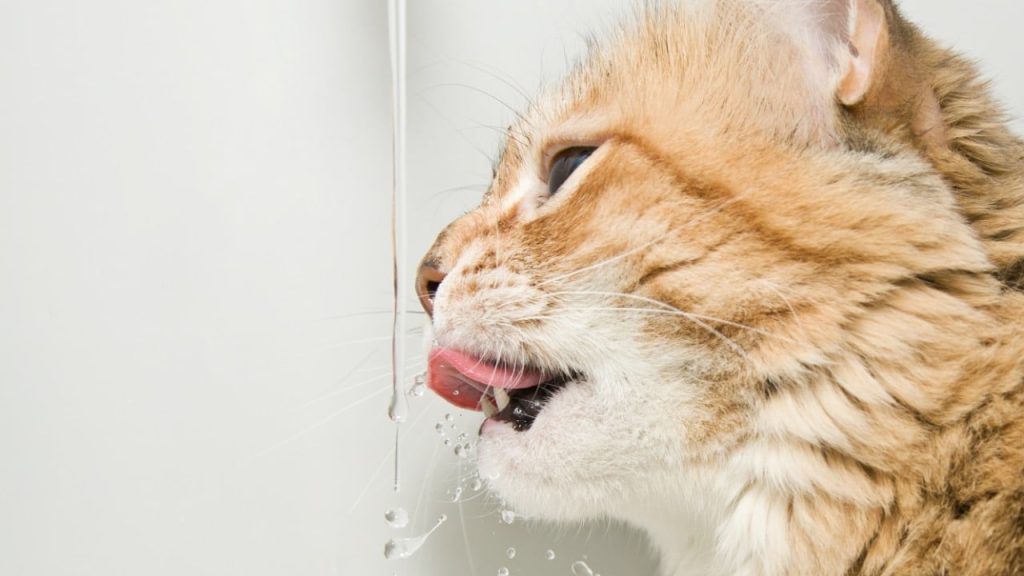
In tropical climates, keeping your pets well-hydrated is not just important, it is critical. Hydration prevents overheating and other related ailments by helping to regulate body temperature and maintain vital bodily functions.
- Provide several sources of clean, fresh water throughout the home and outdoors.
- To encourage more drinking, you might consider adding ice cubes or a splash of low-sodium chicken broth to their water bowls.
- Regularly monitor their water intake. Be on the lookout for signs of dehydration such as sunken eyes, dry nose, and a rapid heart rate.
During particularly hot days, watch for signs such as excessive panting and lethargy. It’s crucial to intervene early by providing a cool, relaxed environment and direct access to water. Proper hydration is an ongoing commitment, necessitating vigilant care even during cooler periods of the year.
4. Regular Grooming
Regular grooming is a cornerstone of pet care in tropical climates. Pets can suffer from skin infections and other dermatological problems due to high humidity and persistent heat.
- Devote time to brush your pet at least once a week as it can reduce shedding and improve coat circulation.
- Use specialized tools such as de-shedding combs for pets with thicker fur to prevent mats and tangles.
- Conduct regular checks for any signs of skin irritation, redness, or unusual bumps.
This routine is not merely aesthetic. It plays a significant part in temperature control as a well-groomed coat allows better airflow and, hence, a cooler pet. Additionally, grooming time can become a bonding session, fostering a stronger relationship between you and your pet.
3. Heat Safety Precautions
Heat safety is imperative for dogs and cats residing in tropical regions where elevated temperatures can cause heat stress and related illnesses.
- Avoid physical exertion during peak heat times, typically between mid-morning and late afternoon.
- Ensure your pets have access to shade and cool, ventilated areas when spending time outside.
- Never, under any circumstance, leave pets in parked vehicles, as temperatures can rise dangerously high within minutes.
It’s critical to remain vigilant for signs of overheating, which include excessive drooling, uncoordinated movements, and pale gums. Alleviate symptoms promptly by offering shade, water, and cool towels. Try to create a cool retreat in your home where your pet feels safe and comfortable.
2. Pest Control and Prevention
In warm and humid environments, pests such as fleas, ticks, and mosquitoes can thrive, posing significant health hazards to pets. Effective pest control measures can stop infestations before they start.
- Consult your veterinarian to tailor a specific pest prevention plan suited to your pet’s needs.
- Routinely inspect your pet’s skin and coat for flea dirt, ticks, or other parasites.
- Maintain a clean living environment and yard. Regularly mow the lawn and clear any standing water to prevent mosquito breeding.
Parasites don’t just cause discomfort but can transmit diseases such as Lyme disease and heartworm. Employ year-round control solutions complemented by regular applications of topical treatments or oral medications. Prevention is not just protection for the pet but a safeguard for the whole household.
1. Vet Check-ups and Vaccination
The most crucial aspect of pet care in tropical regions is regular veterinary check-ups and ensuring your pets are up-to-date with vaccinations. Exotic diseases common in these regions can pose additional threats to pet health.
- Plan for yearly, or more frequent, vet visits to monitor the overall health and detect early any tropical-related illnesses.
- Adhere to a vaccination schedule focused on preventing diseases prevalent in warmer climates, such as rabies and leptospirosis.
- Promptly communicate any observed changes in your pet’s behavior or health status, which could signify underlying issues.
A veterinarian not only offers treatments but acts as a consultant for proactive health strategies tailored to your pet’s lifestyle. Staying on top of vaccinations provides essential defense against a host of tropical diseases, supporting long-term well-being.
In conclusion, maintaining the health of dogs and cats in tropical climates requires dedicated care and strategic prevention. By focusing on hydration, grooming, heat safety, pest control, and healthcare, pet owners can vastly improve their pets’ quality of life. Empowered by knowledge and preparedness, owners can enjoy the companionship of their pets without compromising on health and happiness, inviting a mutual journey of joy and exploration. These steps become part of a broader effort where informed pet ownership translates into happy, healthy pets living comfortably under the tropical sun.
| Category | Details |
|---|---|
| Hydration | Ensuring that pets have access to fresh, clean water is crucial in tropical climates where dehydration can occur quickly due to heat. |
| Heat Exposure | Pets are susceptible to heatstroke, so it is essential to avoid vigorous activities during peak sun hours and provide shaded areas for them to rest. |
| Flea and Tick Prevention | Tropical climates often harbor higher populations of fleas and ticks, making it vital to maintain preventative treatments to protect pets. |
| Diet and Nutrition | Feeding pets a balanced diet that complements the warmer climate can help improve their overall health and resistance to heat-related ailments. |
In tropical climates, maintaining proper hydration for pets is of utmost importance. The high temperatures can lead to rapid dehydration, which can significantly compromise their health. It is not enough to simply provide water; pet owners should ensure the water is fresh and replenished regularly, emphasizing the need for constant accessibility, especially during warmer days.Another critical consideration is the risk of heat exposure. Pets are at a high risk for heat exhaustion and heatstroke. Observing the pet’s behavior during peak sun hours can reveal whether they are feeling overheated. Providing moderate exercise during cooler parts of the day, like early morning or late evening, can greatly reduce the risks. Creating shaded resting areas where pets can retreat and cool down is equally important for their comfort and well-being.Flea and tick infestations are common in tropical conditions, as the warm, humid environment is conducive to their proliferation. Routine inspections of the pets and surrounding living areas are essential. Using veterinarian-recommended topical treatments or collars designed to keep these pests at bay can be effective preventive measures.Finally, it is crucial to focus on diet and nutrition tailored to the climate. Pets’ metabolic rates may increase in warmer weather, so it is wise to consult with a veterinarian about ideal dietary adjustments to ensure their nutritional needs are met while maximizing their health and comfort in a tropical setting.
FAQs: Essential Care for Dogs and Cats in Tropical Climates
How can I protect my pets from overheating in tropical climates?
Overheating is a prevalent issue for pets in tropical climates. It is crucial to provide ample shade and access to water at all times. Avoid going for walks during the hottest parts of the day and consider cooling mats or fans. Remember, pets are more susceptible to heat than humans, and symptoms of overheating include excessive panting, drooling, and lethargy. In severe cases, it can lead to heatstroke, which is a medical emergency.
Are there specific grooming needs for pets living in tropical areas?
Yes, grooming is vital for pets in tropical climates. Regular grooming helps maintain a healthy coat and can prevent skin issues related to humidity. Long-haired breeds might benefit from a shorter cut, but avoid shaving them completely, as their fur also provides protection against the sun. Keeping their coat clean and brushed will prevent matting and allow their skin to breathe, reducing the risk of infections.
What precautions should I take regarding pests in a tropical environment?
Pests such as fleas, ticks, and mosquitoes thrive in tropical climates, posing health risks to pets. It is essential to use preventive treatments regularly. Consult your veterinarian about suitable options like topical applications, oral medications, or collars. Also, check your pets frequently, focusing on hidden areas like under the collar or between the toes, and keep their surroundings clean to minimize pests.
How often should I adjust my pet’s diet in a tropical climate?
Diet plays a significant role in how pets cope with tropical climates. Hydration is crucial, so wet or fresh food can be beneficial in maintaining fluid intake. Monitor your pet’s weight, as some might become less active due to the heat. It’s advisable to consult a veterinarian to ensure that their nutritional needs are met without overfeeding, as obesity can exacerbate heat-related health issues.
Conclusion
In tropical climates, maintaining the health of dogs and cats presents unique challenges. However, understanding these specific requirements is crucial for ensuring our pets’ wellbeing. Throughout this article, we have highlighted key considerations that pet owners must keep in mind.
The Tropical Environment
The tropical climate presents risks, such as overheating and dehydration. It is essential for pet owners to provide plenty of fresh water and to create shaded areas for pets to relax, helping them avoid the adverse effects of high temperatures.
Hygiene and Grooming
Hygiene is another critical aspect. Regular grooming sessions not only keep pets comfortable but also help in early detection of potential skin issues or parasites. Insects thrive in warm climates, making it imperative that pets are protected against ticks and fleas through appropriate treatments or preventive measures.
Feeding and Nutrition
The importance of a balanced diet cannot be overstated. Providing pets with nutritious meals catered to their specific needs can improve their resilience against tropical illnesses and improve overall health.
Exercise and Activity
While maintaining activity levels is important, it is crucial to adjust the timing of walks and play sessions to cooler parts of the day, thereby avoiding the heat and ensuring that pets stay active and healthy without the risk of heat exhaustion.
Regular Check-ups
Regular veterinary visits are critical to monitor the general health of pets and to catch any issues early on. In tropical areas, staying vigilant about potential diseases like heartworm is especially important.
Ultimately, keeping our pets safe and healthy in tropical climates requires awareness and proactive care. Pet owners must remain informed about new measures and best practices, ensuring that their furry friends thrive despite the challenges of a warm environment. By addressing the unique needs of pets living in tropical climates, we can enjoy more years of companionship with our beloved dogs and cats.