How to Integrate Pet Training into the Family’s Daily Routine
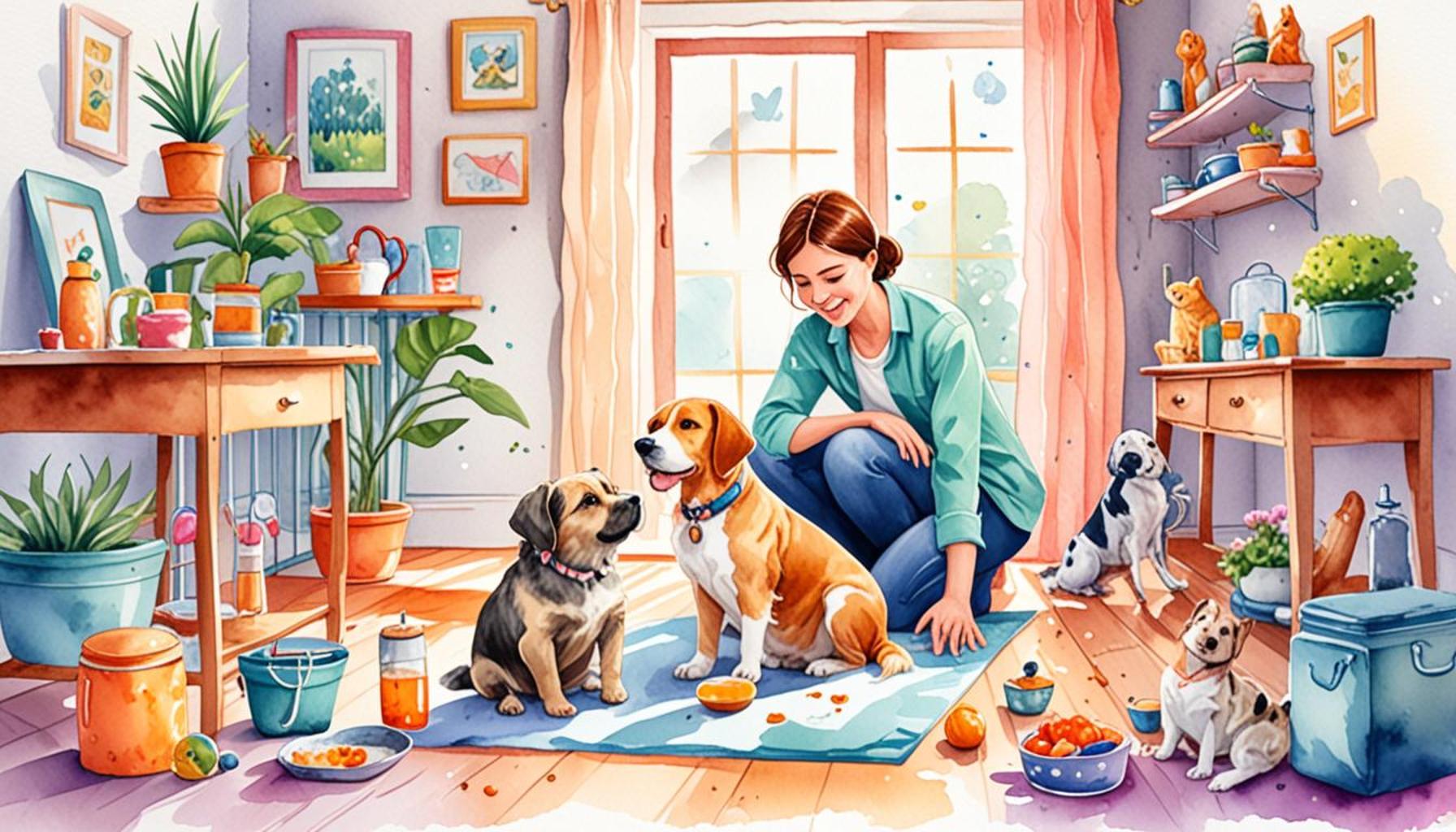
Embracing Pet Training in Daily Life
Creating a harmonious atmosphere in your home might well revolve around the training of your pet. In Nigeria, where many families have adopted pets, whether they are dogs, cats, or even birds, the importance of effective training cannot be overstated. Training your pet not only enhances their behavior but also instills discipline and fosters deeper relationships within the family unit.
Involving every member of the household in the pet training process can result in remarkable benefits that go beyond just pet ownership:
- Improved Communication: Training teaches pets to understand basic commands such as “sit,” “stay,” and “come.” This understanding helps facilitate better interaction. For instance, when a child calls their dog and the pet responds promptly, it reinforces a sense of connection and teamwork that can be incredibly rewarding.
- Shared Responsibility: When children participate in the daily training sessions, they develop a sense of accountability and learn the importance of kindness and care. This can be particularly impactful in Nigeria, where community and family values play a crucial role in upbringing.
- Strengthened Bonds: Engaging in training activities together nurtures family ties. A simple game of fetch or obedience drills becomes a collective goal, forging connections and shared responsibilities that enhance the overall family dynamic.
Incorporating training into daily life can happen seamlessly, making each day an opportunity for learning and growth. Here are some effective ways to interlace pet training with your typical routines:
- Morning Walks: Utilize this time to practice commands, integrating structured learning into physical exercise. For example, every time the dog stops to explore something interesting, ask them to “sit” before allowing them to investigate. This not only reinforces commands but also instills patience.
- Meal Times: Instead of simply placing food in the bowl, teach your pet to wait for a specific command before allowing them to eat. This fosters impulse control and enhances good behavior, making mealtime a structured event rather than chaotic.
- Playtime: Implement sessions of fetch or tug-of-war that require the dog to respond to commands throughout the game. Such activities keep pets mentally stimulated while offering plenty of fun, ensuring they remain engaged and happy.
Exploring creative methods to weave pet training into your family’s lifestyle fosters not only discipline among pets but also cultivates a rewarding sense of achievement for all involved. As you start this enriching journey, you’ll find ample opportunities to create balance, joy, and learning that benefit both pets and family members alike.
In conclusion, a pet is more than just an animal; they are a cherished family member. Through thoughtful training strategies, your furry friends will thrive, becoming integral participants in your family, contributing to a loving and dynamic home environment that celebrates both individuality and connection.
Practical Steps for Daily Integration of Pet Training
Integrating pet training into your family’s daily routine is not merely a chore; it is an opportunity to enhance the bond you share with your pet while simultaneously creating a structured environment. In Nigeria, where families tend to have busy lifestyles, finding clever ways to incorporate training can make all the difference in cultivating well-behaved pets. Here are some actionable strategies for daily integration:
- Make Use of Downtime: Identify moments in your day that often go underutilized. Whether it’s waiting for the kettle to boil or during a television commercial break, these brief pauses are perfect for quick training exercises. Simple commands or tricks can be practiced, adding fun while keeping your pet engaged.
- Family Meetings: Consider setting aside time for a family meeting dedicated to training. This structured time reinforces the shift from typical household discussions to focusing on your pet’s needs. Rotate responsibilities among family members for training exercises, ensuring that everyone participates and contributes.
- Incorporate Commands into Chores: When performing household tasks, leverage the opportunity to train your pet. For instance, while doing laundry, teach your dog to “stay” or “go to place” while you’re folding clothes. Utilizing everyday chores as training opportunities keeps your pet involved without feeling like a burden.
Collaboration is key in this journey. Each family member can play a significant role, enhancing the training experience. It is essential to foster an environment where everyone feels empowered to participate in the training regimen. This unity translates into effective discipline that both pets and humans can understand.
Setting up a reward system is another compelling strategy to further engage the whole family. Utilize treats or praise as motivators and reinforce positive behavior. When the kids see firsthand how rewarding training can be, they will be more inclined to participate in training activities consistently. This doesn’t just apply to dogs; even cats can learn commands with the right encouragement! Exploring such varied training techniques can engender creativity, making your family training sessions enjoyable.
Potential mistakes can be avoided with the right approach to training. Consistency is essential. If one family member uses a specific command while another employs an entirely different one, it can cause confusion for your pet. Establishing a common vocabulary for commands will give your pet clear and direct instructions, making training sessions more effective.
Ultimately, the goal of integrating pet training into your family’s routine is not just about creating a well-behaved pet; it’s about fostering a supportive, loving environment where pets and people thrive together. With dedication, patience, and a touch of creativity, every family can successfully incorporate pet training seamlessly into their daily lives, transforming it from a perceived obligation to a beloved shared activity.
| Advantage | Details |
|---|---|
| Strengthening Family Bonds | Integrating pet training fosters teamwork among family members, enhancing relationships as everyone participates in training sessions. |
| Improving Pet Behavior | Regular training sessions help channel a pet’s energy positively, leading to improved behavior and a more harmonious household. |
| Creating Daily Routines | Establishing a training schedule adds structure to family life, allowing for more predictable and organized pet care. |
| Enhancing Physical Activity | Training often includes play and exercise, providing both pets and family members with essential physical activity, contributing to overall health. |
Integrating pet training into the daily routine can be an enriching experience for every member of the family. By recognizing these advantages, families can fully embrace the rewarding journey of pet ownership and ensure their pets thrive alongside them. Not only does training improve behavior and instill valuable skills in pets, but it also encourages family unity, joyous activity, and a structured environment where everyone contributes to the wellbeing of their furry companions. Take the first step today to transform your household into a well-trained, harmonious space for both pets and humans alike!
Creating a Structured Training Schedule
Another effective method to integrate pet training into your family’s daily routine is by establishing a structured training schedule. Much like any important activity in life, having a plan can lead to better results. In Nigeria, where daily life can be unpredictable, sticking to a routine can create both focus and excitement. The key is to determine the best time for training sessions based on your family’s lifestyle and your pet’s energy levels.
For families with busy schedules, setting aside specific days and times for training can be highly beneficial. Consider allocating 10-15 minutes every evening — perhaps right before or after dinner — when the hustle and bustle has subsided. Utilize family members’ strengths; if one person’s evening is typically freer, that individual could take the lead in training during that time. Documenting the training progress in a journal can also serve as a motivator, providing both owners and pets with a sense of accomplishment and clear insights on what works best.
Involve Children as Key Players
Involving children in pet training can significantly enhance their responsibility and empathy towards animals. Parents can create age-appropriate tasks regarding pet training that empower children. For instance, younger kids can practice simple commands like “sit” and “stay,” while older children might tackle more complex tasks or take charge of reward distribution during training sessions. By giving them ownership, children are more likely to stay engaged and enthusiastic about their roles in pet training.
Moreover, integrating learning with fun activities, like reward-based treat hunts, can foster a creative environment while reinforcing training. Such playful approaches can teach kids about teamwork while enhancing their pets’ behavioral skills. You may even organize friendly competitions among family members to see who can teach their pet a new command the fastest or designable tricks! Celebrating achievements together, whether big or small, will strengthen familial ties and deepen the bond with your pet.
Emergency Training Moments
Life is often unpredictable in many Nigerian households, leading to opportunities for training sessions that may arise spontaneously. These situations can serve as perfect backdrops to reinforce learning. For example, if a pet jumps on guests unexpectedly, this can be a teaching moment to reinforce commands such as “off” or “down.” Recognizing these moments as training opportunities helps shift the mindset around training from being a scheduled task to something that is inherently woven into the fabric of everyday life.
Additionally, utilizing outdoor time can be a wonderful platform for training. During family outings to parks, teach your dog some agility tricks or recall exercises using environmental elements like trees or benches. Playing fetch can also be turned into a teaching moment by reinforcing commands like “bring it back” or “drop it.” This reinforces their training while allowing the family to enjoy quality time outdoors.
In the end, the goal of integrating training into your family’s routine is not just to teach obedient behavior but also to cultivate an environment of mutual respect and understanding between pets and humans. The more integrated training becomes in your family’s lifestyle, the deeper the connections you create with your furry companions. With consistency, creativity, and teamwork, families can ensure that pet training merges smoothly with their daily routines, resulting in joyful interactions and lasting memories.
Conclusion
Integrating pet training into your family’s daily routine is not merely about teaching commands; it’s about fostering meaningful relationships and enhancing the quality of life for both pets and their human companions. Through creating a structured schedule, involving children, and seizing spontaneous training moments, families can weave pet training seamlessly into the fabric of everyday life. These practices not only promote responsible pet ownership but also nurture the emotional connection shared within the household.
Moreover, by recognizing that every interaction with your pet presents a potential teaching opportunity, families can maintain a dynamic and engaging environment that keeps training fun and rewarding. Encouraging children to take part cultivates essential life skills such as empathy and teamwork, reinforcing the notion that training is a collective family effort rather than a chore.
Ultimately, the integration of pet training into daily routines enhances not just obedience but mutual respect and understanding. In Nigeria, where the rhythm of life is often unpredictable, embracing flexibility in training can lead to joyful experiences and cherished memories for every family member. As you embark on this journey, remember that consistency and creativity are key, and the rewards—both seen and felt—will be plentiful. So gather your family, establish a routine, and watch as your bond with your four-legged friend flourishes, creating a happier and harmonious home.