Sustainable Art: How Recycling Projects Are Inspiring Creativity in Nigeria
Exploring the Artistic Revolution in Nigeria
As the world grapples with the consequences of waste and environmental degradation, Nigeria stands at the forefront of an inspiring shift in the art scene. Innovative artists are redefining not only the concept of artwork but also the very materials used to create it. By taking a deep dive into the world of reused resources, they showcase how creativity can flourish even amid societal challenges. This phenomenon reflects a poignant narrative about environmental stewardship and the power of artistic expression.
Creativity through Waste
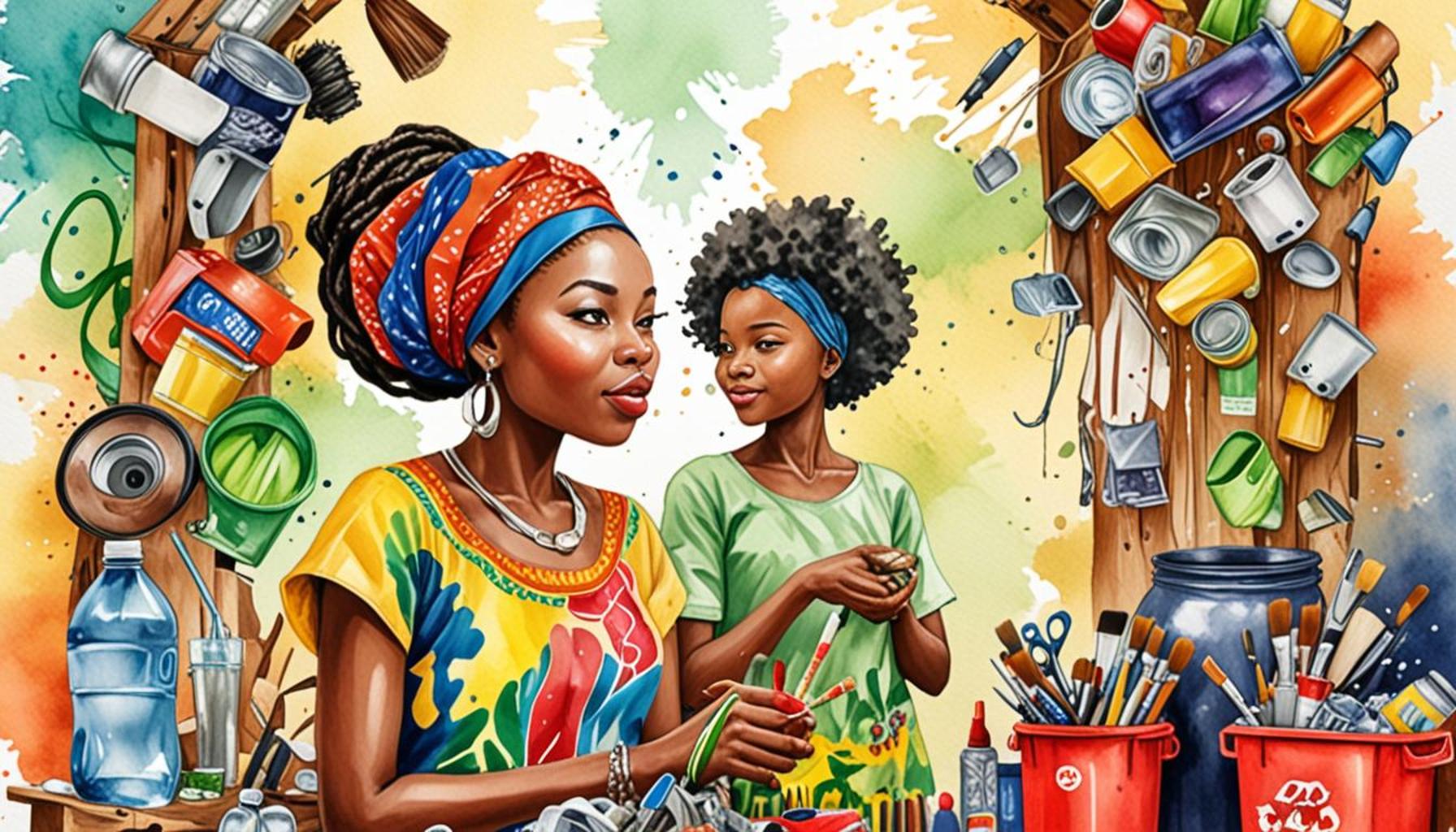
Across Nigeria, artists are cleverly transforming everyday refuse—ranging from plastic bottles and old fabrics to scrap metal—into extraordinary works that captivate the eye and provoke thought. For instance, sculptors in the bustling city of Lagos are creating stunning installations from discarded plastic waste collected from the beaches, emphasizing the urgency of marine conservation. Similarly, tailors in Ibadan are converting leftover fabrics into trendy bags and apparel, turning what was once a burden of waste into functional and fashionable items. This approach not only offers an outlet for artistic innovation but also champions practical solutions to reduce the volume of landfill waste.
Community Engagement
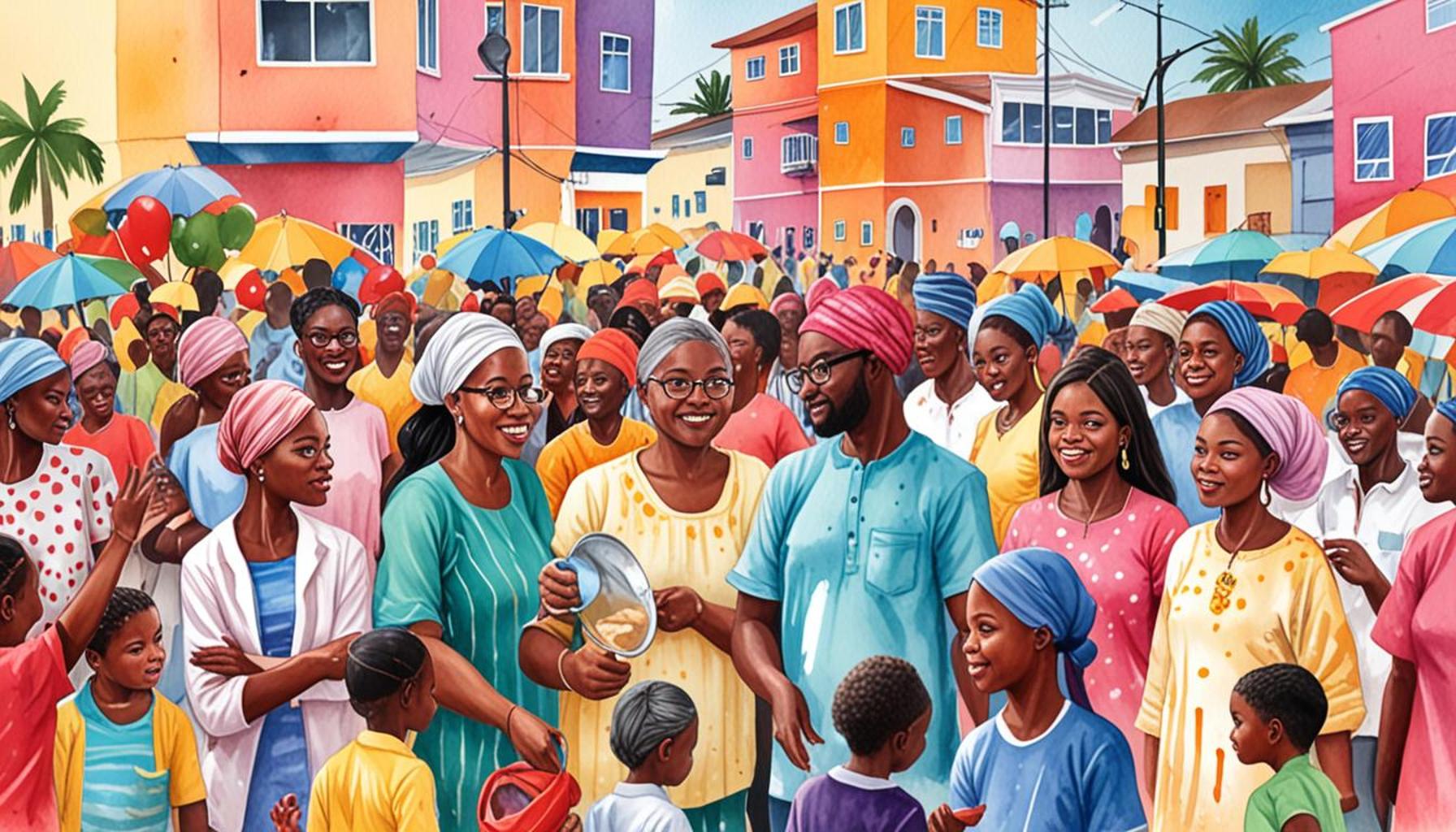
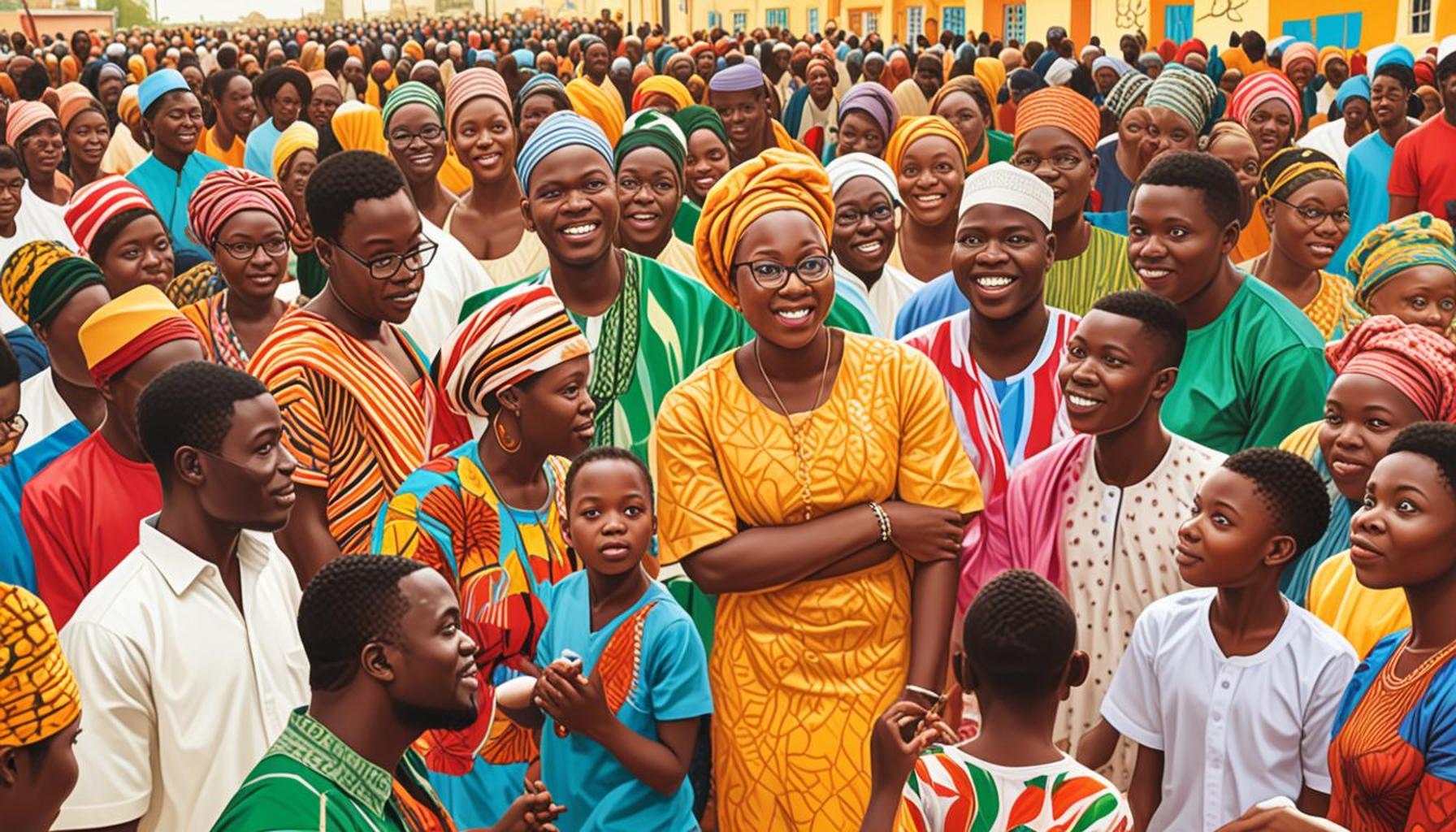
One of the striking aspects of this movement is its focus on community involvement. Local NGOs and artists are collaborating to host workshops that educate residents about the benefits of recycling and provide hands-on techniques to create art from waste. Initiatives like the “Art from the Heart” project in Kano encourage local youths to contribute to murals made from upcycled material, fostering a sense of ownership and pride in their neighborhoods. Such projects help to create a sense of community purpose and reorient the mindset towards viewing waste as a resource rather than a nuisance.
Environmental Impact
Beyond aesthetic appeal, these artistic recycling initiatives play a significant role in addressing Nigeria’s environmental crisis. By repurposing materials, artists are actively combating pollution and fostering sustainable practices. Statistics reveal that Nigeria generates over 32 million tons of waste annually, a challenge that recycling can help mitigate. As artists draw attention to this issue, they ignite discussions within communities about waste management, encouraging a collective shift toward more sustainable habits.
The accessibility of this artistic movement has opened new doors for emerging artists, contributing to a rich tapestry of sustainable expressions across Nigeria. From vibrant murals in urban settings to intricate sculptures in galleries, art is becoming a vehicle for communication and change. As the landscape evolves from waste-laden to creatively charged, the potential for artistic contributions to environmental consciousness remains immense.
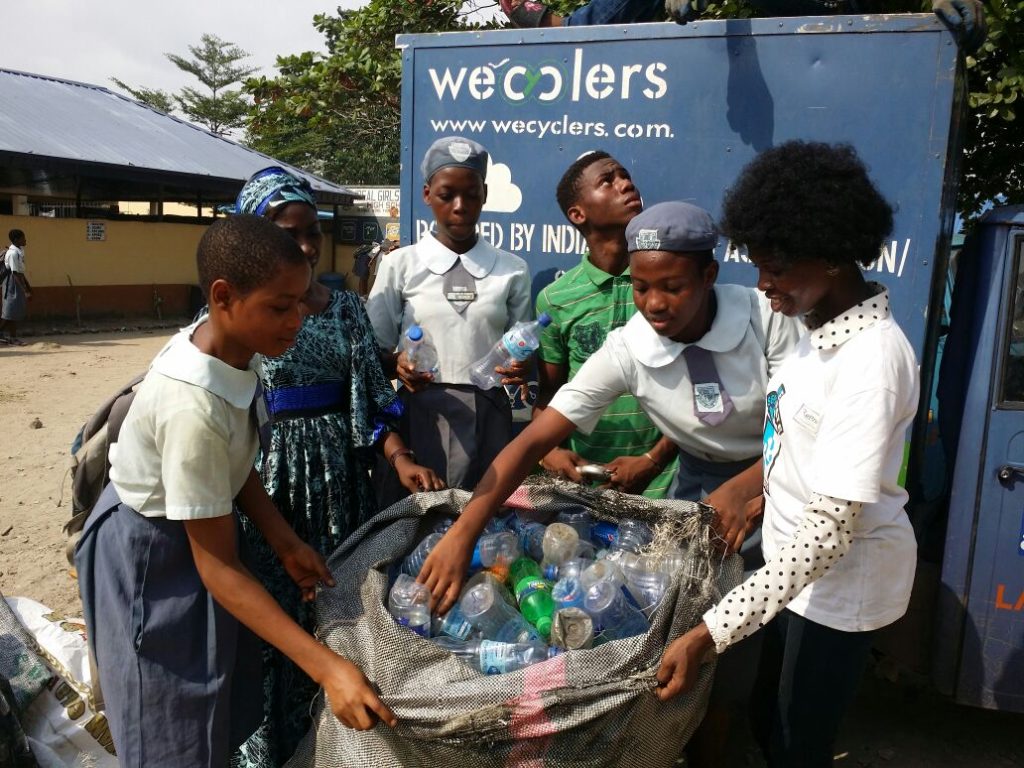
As Nigeria embarks on this fascinating journey where art and sustainability intersect, it is essential to recognize and support this burgeoning community of creators. This article will explore the various dimensions of recycling projects—how they beautify surroundings, challenge outdated perceptions, and ultimately encourage a culture of mindfulness towards waste.
RECOMMENDED: Check out this similar article
Reimagining Waste: Artistic Innovations in Nigeria
In Nigeria, the cultural landscape is experiencing a transformative wave where discarded materials are morphing into stunning artistic expressions. This shift is not merely an artistic endeavor; it is a response to the growing realization that waste can be reimagined and revitalized. Artists across the country are harnessing their creativity to demonstrate that the end of a product’s life does not have to spell the end of its utility. Every piece of waste holds potential—potential for beauty, emotional engagement, and environmental improvement.
The Impact of Local Materials
The creative journey begins with local materials that tell a story of Nigeria’s urban and rural environments. Artists are utilizing recyclable items that are prevalent in their communities—such as:
- Plastic scraps: Commonly found in landfills and streets, these materials are intricately woven into tapestries and vibrant sculptures.
- Old textiles: Used clothing and fabric remnants are stitched together to create modern designs, emphasizing the rejection of fast fashion.
- Natural waste: Organic refuse like palm fronds and dried leaves are employed in creating eco-friendly art pieces that are both beautiful and biodegradable.
Each recycled work reflects a deep connection to the environment and an urgent plea for awareness regarding Nigeria’s waste crisis. By turning trash into treasures, these artists not only challenge conventional perceptions of art but also serve as local heroes in the fight against environmental degradation.
Art as Advocacy
The ripple effect of this movement transcends local communities, fostering a wave of advocacy for sustainable practices. Artists are leveraging their platforms to ignite conversations around environmental responsibility, urging individuals to consider their consumer habits and waste management. Social media has become a powerful tool in this artistic revolution, with artists sharing their innovative processes and finished products, thereby spreading awareness and inspiring collective action.
For example, the renowned sculptor Bola Kazeem is known for his large-scale public installations made from plastic bottles. His works have sparked dialogues among local residents about the impact of plastic pollution on marine life and public health. Similarly, groups like Trash to Treasure are not only creating art but are also engaging in community cleanup initiatives that promote sustainable living and local pride.
This synergistic blend of art and activism transforms the way waste is perceived; it fosters a mindset that sees value where others see trash. In doing so, it creates a narrative that positions Nigerian artistry at the forefront of the global sustainability conversation. By redefining the relationship between people and waste, artists are shaping a brighter future for the next generation, demonstrating that creativity coupled with purpose can lead to meaningful change.
The Future of Sustainable Art in Nigeria
As this movement continues to gain momentum, it is essential to explore how sustainable art can be further integrated into mainstream culture. The ongoing collaboration between art institutions, local governments, and community members is vital in ensuring that these initiatives have lasting impacts. From dedicated art exhibitions to sustainable workshops, the future of Nigerian art is poised for a renaissance that champions creativity and environmental consciousness.
| Advantages | Impact on Society |
|---|---|
| Environmental Awareness | Promotes responsible waste management and encourages communities to think critically about consumption patterns. |
| Social Connection | Bridges gaps between artists and local communities, fostering collaboration and shared identities. |
The phenomenon of sustainable art through recycling projects is not just a trend; it is a powerful catalyst for change within Nigeria. One of the significant advantages of these initiatives is the raised environmental awareness they cultivate. By transforming waste materials into artistic expressions, participants learn about responsible waste management while actively engaging with their environment. Such projects challenge the conventional perception of trash as mere refuse, showcasing instead its potential to inspire creativity and knowledge.Additionally, these recycling projects create social connections, knitting together various stakeholders including artists, local businesses, and non-profits. As communities engage in collaborative efforts, shared goals emerge, which fosters a sense of belonging and unity. This not only enhances community spirit but also empowers individuals by providing them with a platform to express their culture and experiences through innovation. Each recycled piece of art narrates a story, contributing to the local narrative while simultaneously promoting sustainability initiatives that resonate far beyond the borders of Nigeria. This wave of creativity is reshaping the societal landscape, planting seeds of inspiration for the future.
RECOMMENDED: Check out this similar article
Community Engagement: Building a Network of Change
The emergence of sustainable art in Nigeria extends beyond the canvas, as it thrives on community engagement and collaboration. Artists are increasingly recognizing the paramount importance of involving local communities in their projects. By fostering participation, they not only enhance the creative process but also educate the public about sustainability and recycling in practical, hands-on ways.
Workshops and Educational Programs
Cities like Lagos and Abuja are witnessing a surge in workshops targeting various demographic groups, from schoolchildren to adults. These workshops are designed to teach participants how to create art from waste, transforming old bottles, tin cans, and scrap paper into creative masterpieces. Organizations such as Art for the Environment offer programs where local artisans share their skills in crafting art pieces, providing a platform to ignite creativity while promoting environmental stewardship. This approach not only empowers individuals by equipping them with new skills but also reinforces the idea that waste materials can serve as valuable resources.
Collaborative Projects and Festivals
The burgeoning movement of sustainable art is also marked by collaborative projects and annual festivals that celebrate recycling and creativity. Events such as the Eco Art Festival showcase works from various artists committed to sustainability. During these festivals, attendees engage with artists and learn about the processes behind creating art from refuse. Notable projects have included collaborative murals made from painted recycled materials, where community members contribute their creativity to a larger vision.
Furthermore, art installations that incorporate local stories and cultural heritage are becoming more prevalent, as they resonate deeply with Nigerian audiences. For example, artists like Nnenna Okore incorporate traditional weaving techniques using natural and recycled materials, thus linking contemporary sustainable practices with age-old cultural expressions. By doing so, these initiatives bridge the generational gap and instill a deeper appreciation of both art and the environment.
The Role of Technology and Social Media
In an age driven by technology, the role of social media cannot be understated in amplifying the voices of sustainable artists in Nigeria. Platforms like Instagram and Twitter have become invaluable tools for artists to showcase their work and reach wider audiences. The hashtag #SustainableArtNigeria has emerged as a trending topic, uniting artists and art lovers in a digital celebration of creativity that champions recycling.
This online engagement spurs real-life action, often leading to initiatives where community members decide to replicate what they see online. For instance, an artist’s video showing how to create mosaics from bottle caps can encourage local youth to start their projects, cultivating a local culture of sustainability. As artists document their creative processes and share tips on recycling techniques, they nurture a growing movement that places Nigeria firmly on the global map for sustainable art.
The dynamic interplay between art, community, and new technologies is shaping a novel landscape for sustainable practices in Nigeria. In this context, artists become not only creators but also catalysts for transformation, inspiring a culture of sustainability that is both engaging and enduring.
RECOMMENDED: Check out this similar article
Conclusion: The Future of Sustainable Art in Nigeria
The rise of sustainable art in Nigeria represents a transformative movement that intertwines environmental responsibility with creativity. As artists and communities increasingly engage in recycling projects, they not only challenge conventional notions of art but also nurture a strong cultural identity grounded in resourcefulness. This integration of art and sustainability is more than a trend; it is a powerful response to Nigeria’s pressing environmental challenges.
Through workshops and collaborative initiatives, such as the inspiring Eco Art Festival, artists are empowering local communities to re-envision waste as a canvas for expression. The hands-on engagement fosters a deep understanding of environmental stewardship while providing the tools necessary for individuals to unlock their artistic potential. Artists like Nnenna Okore exemplify this synergy, seamlessly merging traditional practices with contemporary sustainable techniques, illustrating that art can be both innovative and rooted in heritage.
The role of technology and social media further propels this movement, enabling artists to reach broader audiences and create a ripple effect of inspiration that extends far beyond urban centers. The hashtag #SustainableArtNigeria symbolizes a collective call to action, uniting individuals in celebrating creativity that uplifts communities and the environment alike.
As we look forward, the future of sustainable art in Nigeria holds the promise of further innovation and collaboration. By embracing the idea that every discarded item can spark a new creative journey, Nigeria not only contributes to the global conversation on sustainability but also reaffirms its identity as a vibrant hub of artistic expression. In this way, the intersection of recycling and creativity in Nigeria serves as a beacon of hope and inspiration for a sustainable future.