The importance of environmental enrichment for small animals: creating a stimulating habitat for rodents and rabbits
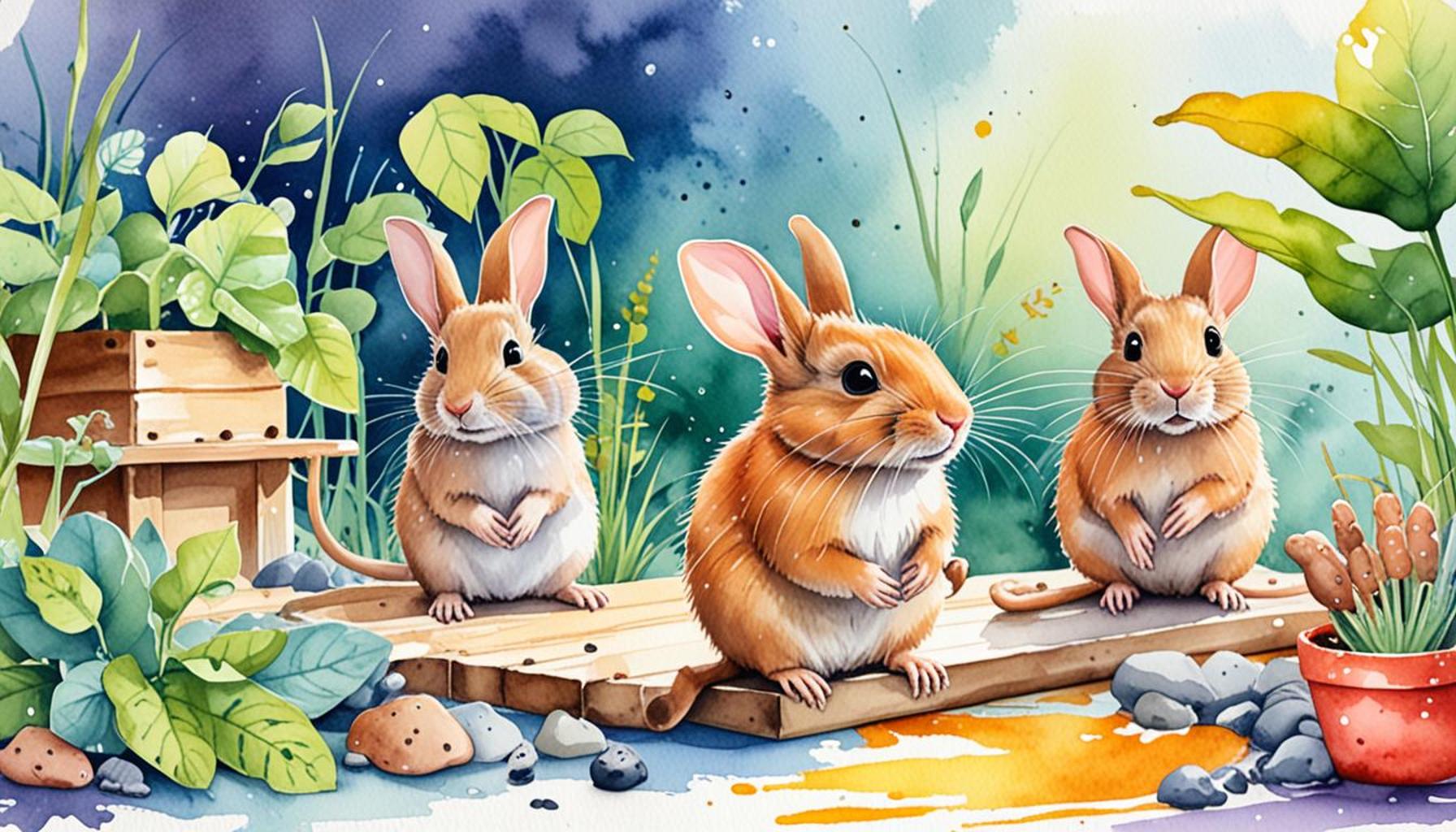
Understanding the Components of Environmental Enrichment
Providing small animals like rodents and rabbits with a stimulating environment is essential for their overall health and happiness. When these animals are kept in overly simplistic or barren spaces, they can suffer from boredom and stress, leading to behavioral issues and even physical health problems. The key to promoting vitality in your pets lies not only in their diet or cage size but significantly in how enriched their habitat is.
Key Components of Environmental Enrichment
To create an optimal habitat for your small animals, consider integrating the following essential components:
- Varied terrain: Incorporating different elements such as tunnels, ramps, and soft bedding can mimic the natural habitats of these animals. For instance, guinea pigs enjoy burrowing and exploring, while rabbits like to hop over obstacles. By creating an environment that encourages climbing, hiding, and digging, you can invoke their instinctual behaviors and keep them physically active.
- Toys: Introducing a variety of chew toys and interactive puzzles not only stimulates curiosity but also reduces the chances of destructive behaviors that stem from boredom. Toys made from natural materials like wood or hay are excellent options, while commercial puzzle feeders can challenge their intellect, keeping them engaged and entertained for hours.
- Social interaction: Many small animals are inherently social creatures. For example, domestic rabbits thrive on companionship and may exhibit signs of loneliness when isolated. Therefore, providing them with another pet from the same species or spending quality time with them can significantly enhance their emotional well-being.
In Nigeria, the awareness of these principles is crucial. Pet ownership is growing, yet many owners may not prioritize the idea of an enriched environment. Establishing such habitats not only promotes joy for pets but also fosters positive interactions between the pet and owner. For instance, engaging in playtime or creating a small garden space can stimulate not just physical activity but also strengthen the bond between humans and their pets.
The Benefits of Enhanced Environments
Research indicates that enriched environments lead to lower stress levels in small animals and encourage them to display natural behaviors. This can manifest in more playful and healthier animals as well as increased life expectancy. By investing time and resources into enhancing their habitat, pet owners in Nigeria can ensure that their furry companions lead prosperous and fulfilling lives.
In summary, the importance of environmental enrichment cannot be overstated. As more Nigerians adopt small pets, understanding the needs for a stimulating habitat becomes paramount. A deeper exploration into various enrichment tactics can lead to not only healthier pets but also a more enriching experience for their owners. By fostering an engaging and fulfilling environment for these creatures, we contribute to their happiness and well-being, which in turn enhances our own human-animal bond.
Creating a Multifaceted Environment
When we discuss environmental enrichment for small animals, it’s essential to consider that these creatures thrive when presented with a diverse and interactive habitat. In the vibrant context of Nigeria, where urbanization and technology evolve rapidly, understanding how to enrich the lives of small pets becomes critical. This process not only benefits the animals but also enhances the quality of life for their owners, creating a more engaging experience.
Natural Instincts and Behavioral Needs
Rodents and rabbits possess instinctual behaviors that are crucial for their emotional and physical well-being. These small animals are innately curious and exploratory, seeking out activities that stimulate their minds. Without proper enrichment, they can exhibit signs of stress and boredom, leading to detrimental health issues. The following key elements can address these needs:
- Sensory stimulation: Incorporating a variety of scents, textures, and sounds in their environment can engage your pet’s senses. For example, placing herbs like basil or mint can pique their interest, encouraging them to explore and forage. This tactile and olfactory variety is fundamental in mimicking their natural surroundings.
- Spaces for exploration: Allowing your pets to explore designated ‘free-roaming’ areas of your home can provide them with a safe space to navigate. Creating tunnels or mazes using cardboard boxes or fabric can encourage adventurous behaviors like digging and burrowing, which are key to their happiness.
- Seasonal changes: Just as we adapt to the seasons, small animals benefit from changes in their environment. Rotating toys, introducing new bedding materials, or even altering the layout of their habitat can keep their living space exciting and prevent monotony.
In a country like Nigeria, where many households may not have learned about the necessity of such enriched environments for small pets, education becomes paramount. For instance, community vet clinics or pet shops can play a pivotal role by hosting workshops that arm pet owners with knowledge on how to foster engaging habitats. Events that allow pet owners to share enrichment ideas and experiences could also take place, enhancing the overall welfare of small animals.
Understanding the Role of Space
The physical space allocated to small pets is equally significant in enriching their environment. A larger enclosure allows for more complex arrangements, while a smaller space can be creatively modified with vertical elements like shelves and ramps. Opting for materials that encourage climbing or jumping can satisfy the adventurous nature of rabbits and the energetic disposition of rodents. For many Nigerian pet owners, investing in a quality cage that allows flexibility could dramatically improve their small pet’s quality of life.
Ultimately, taking the time to understand the importance of environmental enrichment can transform the lives of small animals. By providing an enriched habitat filled with opportunities for exploration and engagement, pet owners in Nigeria can witness a remarkable difference in their pets’ behavior and health. Not only will their pets thrive, but the bond shared between animal and owner will flourish, creating a joyful companionship grounded in mutual happiness.
As we explore the significance of environmental enrichment for small animals, it’s crucial to recognize that a well-stimulated habitat not only enhances the physical wellbeing of rodents and rabbits but also significantly boosts their mental health. These small creatures thrive in environments that challenge them, allowing for exploration and natural behaviors to unfold. Providing an engaging habitat encourages exercise, reduces stress, and combats behavioral issues that may arise from a lack of stimulation.
Consider that rodents and rabbits, as naturally curious animals, require a variety of sensory experiences. Items such as tunnels, climbing structures, and chewable toys are essential. Not only do these elements turn their living spaces into playful arenas, but they also mimic their natural habitats, promoting a sense of security and encouraging instinctual behaviors like digging or foraging.
Additionally, the incorporation of different textures and scents further enhances their environment. For example, adding materials like shredded paper, straw, or safe, edible plants allows small animals to explore their surroundings using all their senses. This leads to a more enriched life, stimulating both their mind and body in ways that a bare cage simply cannot provide.
Engaging activities can vary from simple hiding places for exploring and nudging to interactive toys that dispense treats. Such features not only keep the animals entertained but also allow them to work for their food, which satisfies their natural instincts. From a psychological perspective, these experiences can lead to decreased anxiety levels and an overall more content animal.
The end effect is a more healthy, well-adjusted pet that epitomizes the best of what care can offer. By investing in environmental enrichment, pet owners take vital steps toward creating a balanced habitat that exponentially improves their small companions’ quality of life—ensuring long-term happiness and health.
| Category | Description |
|---|---|
| Physical Health | Promotes exercise and reduces obesity. |
| Mental Stimulation | Encourages natural behaviors and prevents boredom. |
Social Interactions and the Power of Play
In addition to environmental factors, social interactions play an indispensable role in the well-being of small animals. Rabbits and rodents are inherently social creatures, and their emotional health often depends on the relationships they form, whether with humans or their fellow companions. Engaging with other animals can alleviate loneliness, reduce stress, and foster overall happiness. Pet owners in Nigeria can consider pairing small animals that share similar temperaments and energy levels, creating opportunities for play and companionship.
Playtime: Enriching Their Daily Routine
Incorporating play into a small animal’s daily routine is another essential aspect of environmental enrichment. Toys that encourage interaction can range from chewable items made from safe materials to more complex puzzle toys that challenge their problem-solving skills. Simple DIY options, such as empty toilet paper rolls stuffed with hay or small treats, can stimulate their natural foraging behavior and keep them physically active. Playtime not only enriches their environment but also strengthens the bond between pets and their owners through shared experiences.
Furthermore, engaging in play can mimic natural competitive behaviors these creatures exhibit in the wild. For instance, creating a designated play area with tunnels and climbing structures can stimulate their natural instincts to dig, hide, and jump. This type of setup can easily be engineered using safe household items, allowing for creativity and cost-effectiveness.
Nutrition as Part of Enrichment
The diet provided to small animals can also be considered a form of environmental enrichment. A varied diet that includes fresh vegetables, fruits, and high-fiber hay not only meets their nutritional needs but also provides an enriching sensory experience. Offering different food textures and flavors encourages exploration and can transform mealtime into a playful activity. For example, you might present leafy greens in a way that they must forage for or hide food around their enclosure, prompting them to seek it out. Such practices not only promote physical health but also stimulate mental engagement, mirroring the foraging behaviors they would typically exhibit in the wild.
In Nigeria, where fresh produce is more readily available at local markets, pet owners can easily incorporate a range of suitable fruits and vegetables into their pet’s diet. Education around the safe foods and their nutritional benefits is necessary, as some can be harmful. Reaching out to local veterinarians or pet community groups can offer invaluable information and facilitate discussions regarding the best feeding practices.
Utilizing Technology in Enrichment
With the rise of technology, pet owners can also explore digital solutions for enriching their small animals’ habitats. For example, pet cameras equipped with interactive features allow owners to engage with their pets remotely, administer treats, or even play games designed for small animals. This technology can particularly benefit pet owners in urban areas who may work long hours, ensuring their pets are mentally stimulated and entertained in their absence.
As the understanding of the importance of environmental enrichment grows, pet owners in Nigeria are in a prime position to creatively implement various strategies that can tremendously enhance the lives of their small companions. By fostering an environment rich in social interactions, play, and exploration, the well-being and happiness of small animals will flourish, paving the way for a fulfilling pet ownership experience that combines joy and responsibility.
Conclusion: Fostering a Vibrant Life for Small Animals
In summary, the importance of environmental enrichment for small animals, including rodents and rabbits, cannot be overstated. A thoughtfully designed habitat that leverages social interactions, interactive play, diverse nutrition, and even technology, is crucial for their happiness and well-being. By understanding and catering to the natural instincts of these creatures, pet owners in Nigeria can create a stimulating environment that not only meets their physical needs but also nurtures their emotional health.
Ultimately, a dedicated approach to enrichment encourages small animals to express their natural behaviors, reduces stress, and enhances their quality of life. As they explore their surroundings, engage in social play, and discover new tastes, they thrive in a supportive environment tailored to their unique needs. It is vital that pet owners remain informed about the latest enrichment strategies, utilizing community resources or consulting with veterinarians to ensure optimal care.
As the conversation around humane and responsible pet ownership evolves, the initiative to create enriching habitats for small animals can lead to greater awareness within the community. This not only fosters a greater understanding of proper animal care but also connects pet owners and advocates alike, cultivating a culture where small animals are celebrated and valued. By embracing these practices, we can enhance the lives of our furry companions, contributing to a deeper relationship that is both fulfilling and responsible.