The importance of hydration for pet health: how to ensure your animal drinks enough water
The Importance of Hydration in Pets
Water is undeniably a vital component of every living being’s health, including our beloved pets. Just like humans, animals require adequate hydration to maintain their overall well-being. In Nigeria’s tropical climate, where temperatures can soar, the demand for water becomes even more pronounced. This makes it essential for pet owners to understand effective ways to keep their furry friends hydrated.
One of the key reasons why hydration is critical for pet health is that it supports organ function. Water plays a significant role in the health of vital organs such as the heart, kidneys, and liver. For instance, the kidneys, responsible for filtering waste from the bloodstream, rely heavily on the availability of water. Dehydration can lead to severe complications, including kidney stones and urinary tract infections.
Another crucial benefit of hydration is its role in regulating temperature. In Nigeria, where the climate can be hot and humid, staying hydrated is essential for pets, especially active breeds. When animals engage in play or exercise, they can quickly lose water through panting and sweating. Adequate water intake helps maintain body temperature and prevent heatstroke, which can be life-threatening.
Moreover, it promotes digestion by helping break down food and allowing nutrients to be absorbed efficiently. Pets on dry food diets may be more prone to dehydration because dry kibble contains less moisture than wet food. This dietary factor affects how much water they need to consume daily. For example, a dog eating primarily dry kibble might require nearly double the amount of water compared to a dog receiving wet food.
However, numerous factors can influence your pet’s hydration levels. Diet type is a significant factor, with dry food versus wet food dramatically impacting water intake. Similarly, a pet’s activity level should not be overlooked. More active pets typically need more water to replenish what they lose during exercise. Environmental conditions play a key role as well; during the dryer months or in areas with insufficient shade, pets can dehydrate quickly.
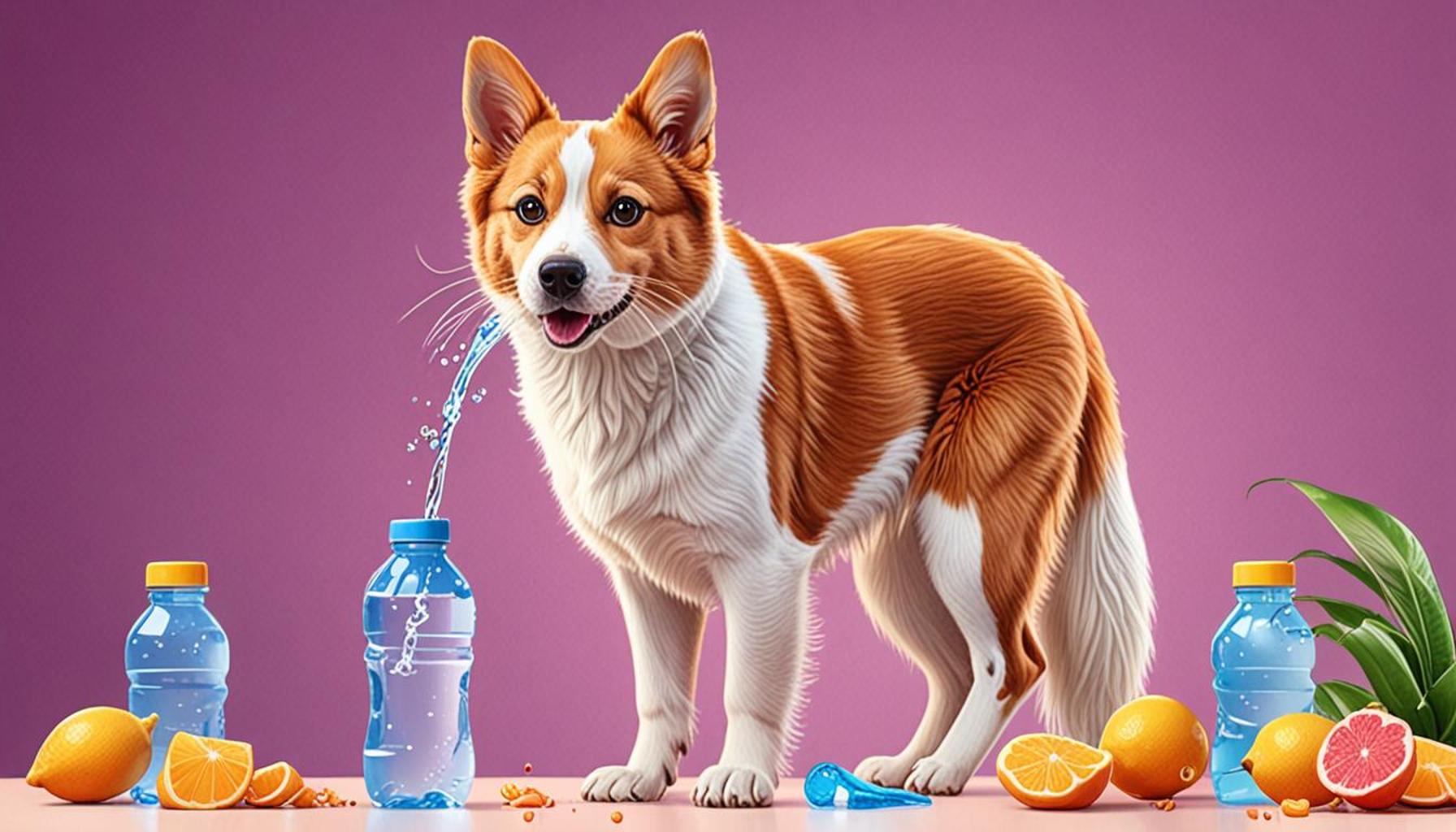
To ensure your pet remains well-hydrated, consider some practical strategies. Providing fresh, clean water at all times is essential. Some pets are more encouraged to drink from a bowl, while others may be attracted to pet water fountains that keep the water flowing and cool. You can also incorporate moisture-rich foods into your pet’s diet, such as watery fruits or soups suitable for their dietary needs. For instance, adding small pieces of watermelon (without seeds) can be a tasty treat for dogs that also helps with hydration.
By understanding these aspects, pet owners can take proactive steps to promote hydration. Keeping a watchful eye on their pets’ drinking habits, encouraging them to drink more, and supplementing their water intake through diet can lead to a greater quality of life, ensuring your beloved animals thrive in the warmth of Nigeria.
Understanding Your Pet’s Hydration Needs
Ensuring that your pet maintains adequate hydration is essential, yet it is often an overlooked aspect of pet care. Many pet owners may not realize just how critical water is in ensuring their animals lead a healthy and active life. A pet’s daily water intake can vary depending on several factors, including breed, size, activity level, and weather conditions. Familiarizing yourself with these factors can equip you to recognize the signs of dehydration and help you take proactive measures to prevent it.
It’s helpful to understand how much water your pet should ideally consume daily. Most dogs need about 1 ounce of water per pound of body weight each day, while cats generally require about half that amount. This means that a 50-pound dog would need around 50 ounces of water, while a 10-pound cat would require about 5 ounces. However, these recommendations can fluctuate based on activity levels, diet, and temperature. For instance, pets that eat dry kibble may require significantly more water compared to those consuming canned or wet food due to the lower moisture content of dry diets.
- Temperature and Humidity: Hotter, more humid days can drastically increase your pet’s need for water. Monitor their drinking habits closely during the peak of the Nigerian heat.
- Activity Level: An active pet—whether it’s a dog running around or a cat engaging in playful antics—will naturally need more water than a more sedentary animal.
- Age and Health: Young animals and senior pets often have unique hydration needs, particularly those with health issues. Always consult with a veterinarian for tailored advice.
Being aware of these factors can help you identify when your pet may not be drinking enough. Signs of dehydration in pets can include lethargy, dry gums, loss of appetite, and decreased urination. If you notice any of these symptoms, it’s crucial to address the issue promptly as they can lead to severe health problems.
Incorporating more water-friendly practices in your pet’s daily routine can also encourage them to drink more. Some pet owners have found success in using water additives that enhance the taste, making it more appealing to their pets. Similarly, using larger water bowls or frequent refills throughout the day can keep the water fresh and encourage drinking. Placing water bowls in different locations can also make it more convenient for your pet to hydrate regularly.
Keeping your furry companions adequately hydrated should not be a one-time effort, but rather an ongoing commitment. By understanding your pet’s individual hydration needs and taking practical steps to ensure they have constant access to fresh water, you are laying the foundation for a longer, healthier, and happier life for your beloved animal. Remember, staying proactive about hydration is one of the most essential aspects of responsible pet ownership.
When it comes to ensuring your pet stays hydrated, it’s essential to understand their specific needs. Different animals have varying fluid requirements based on factors such as size, age, activity level, and environmental conditions. For example, dogs generally require about one ounce of water per pound of body weight each day. Cats, on the other hand, have a reduced thirst drive and often consume moisture through their food. Thus, pet owners should consider adding wet food to their cats’ diets to enhance their liquid intake.
Another effective method for promoting hydration is to always provide access to fresh, clean water. This can increase the likelihood that your pet will drink throughout the day. It’s important to change the water frequently, ensuring it remains appealing and free of contaminants. Additionally, offering water in various locations within the home can encourage more frequent drinking, especially for less active pets who may forget to hydrate.
For some pets, a water fountain can prove beneficial. Many animals are attracted to the sound and movement of flowing water, which might encourage them to drink more. These fountains can keep water cooler and promote its freshness, making hydration more enticing. Monitoring water consumption is also crucial; if your dog or cat seems to be drinking less than usual, it may signal health issues and warrant a consultation with a veterinarian.
| Category | Details |
|---|---|
| Hydration Needs | Different pets have varying hydration needs based on size and activity. |
| Water Availability | Always provide fresh water; consider location and container. |
Moreover, introducing hydration-boosting treats can provide an additional incentive for your pet to drink more. Some products are designed specifically for this purpose, offering not only flavor but also necessary nutrients. Ensuring that your furry friend remains hydrated is pivotal to their overall health and can prevent various ailments, from urinary tract infections to kidney issues. Therefore, pet owners should place a strong emphasis on hydration as a critical component of their pet’s daily routine.
Creative Strategies to Encourage Hydration
While understanding your pet’s hydration needs is crucial, ensuring they drink enough water can sometimes require creative strategies. Pets, much like humans, have preferences and habits that can affect their water consumption. Implementing some engaging and innovative approaches can dramatically enhance their water intake.
One effective method is to offer multiple sources of fresh water. By placing several water bowls throughout your home, you create an environment where your pet can easily access hydration. Consider using different styles of bowls, such as larger, shallow ones for dogs and elevated water stations for cats. This approach not only provides convenience but can also pique their interest in drinking.
Moreover, cat fountains and other water dispensers can be particularly effective for both cats and dogs. Animals are often attracted to running water due to its freshness, leading them to drink more. In Nigerian households, where water availability might vary, a fountain can provide a reliable source, encouraging pets to stay hydrated even during warmer periods.
Enhancing Water Appeal
Another fascinating strategy to ensure your pet drinks enough water is to infuse their water with flavors. Adding small amounts of low-sodium chicken broth, tuna water, or even a splash of coconut water can make the water significantly more appealing. This can be especially useful for picky pets. However, be sure to monitor their overall sodium intake when using broth, as excessive salt can be harmful.
Incorporating wet food into your pet’s diet is also a fantastic way to boost their hydration. Many commercial pet foods, particularly those aimed at cats, contain high moisture levels that can contribute to daily water intake. For dogs, mixing dry kibble with a little water or broth can make their meal more enjoyable while enhancing hydration.
Routine and Interaction
Creating a routine around drinking can also contribute to your pet’s overall hydration. Animals thrive on consistency, so try to establish regular times for providing water, especially following meals and after playtime. This routine will encourage drinking when it’s naturally convenient. Additionally, spending time near their water bowl – perhaps by using it as a moment for training or play – can bring attention to hydration as part of your daily interaction.
It’s equally important to monitor your pet’s behavior and drink levels regularly. If you notice changes in their drinking habits, such as decreased consumption or a sudden increase, it may warrant a discussion with your veterinarian. Changes in drinking can indicate underlying health conditions, making vigilance a key aspect of responsible pet ownership.
Leveraging technology can also serve as a potent ally in promoting hydration. There are now smart pet products available that can track your animal’s water intake, alerting you to any deviations from their normal drinking patterns. Such innovations make it easier for pet owners in Nigeria to take charge of their pet’s hydration in a fast-paced environment.
In summary, combining practical and creative strategies can significantly enhance your pet’s hydration levels. By understanding their needs, providing diverse options, and being vigilant about their habits, ensuring your pet remains hydrated can be an engaging and rewarding part of your daily routine.
Conclusion
In closing, the significance of hydration for pet health cannot be overstated. Water is a fundamental component of your pet’s well-being, influencing everything from digestion to temperature regulation. As pet owners, it is our responsibility to ensure that our beloved companions have access to clean, fresh water at all times.
By implementing a variety of practical solutions—such as introducing multiple water sources, utilizing attractive water fountains, and incorporating moisture-rich foods into their diets—we can significantly improve their hydration levels. Additionally, it’s essential to establish a routine around drinking water, as consistency encourages better habits among our animals. Be vigilant in observing any changes in their drinking patterns, as such shifts could signal potential health issues that warrant veterinary attention.
Moreover, leveraging modern technology can aid in monitoring your pet’s hydration. With the advent of smart pet devices, keeping track of water intake has never been easier and can enhance the overall care we provide. In a country like Nigeria, where weather patterns can lead to increased fluid loss, prioritizing your pet’s hydration is especially crucial.
Ultimately, a well-hydrated pet is a healthy pet, able to lead an active and joyful life. By remaining proactive in our hydration strategies, we not only promote better health for our furry friends but also strengthen the bond we share with them. So, take charge today, and make hydration a fun and integral part of your pet care routine!