The Importance of Regular Vaccination in Pets in Nigeria

The Vital Role of Vaccination for Pets
Ensuring the health of our furry companions is a responsibility no pet owner should take lightly. Regular vaccination is crucial in safeguarding pets against dangerous illnesses. In Nigeria, where zoonotic diseases are prevalent, the need for comprehensive vaccination programs is more urgent than ever.
Understanding the Risks
Common diseases such as canine parvovirus, rabies, and distemper can have devastating effects on pets. These conditions not only threaten the well-being of animals but also pose significant risks to human health. Rabies, for instance, is a viral disease that is almost always fatal once symptoms appear. Statistics show that rabies is estimated to cause over 1,000 deaths annually in Nigeria, particularly affecting rural communities where access to medical care and vaccination may be limited.
Additionally, canine parvovirus has a high mortality rate, especially in unvaccinated puppies, with studies indicating that the disease can kill more than 90% of infected puppies if left untreated. Distemper, on the other hand, is a complex disease that can lead to irreversible neurological damage and opportunistic infections, severely impacting the quality of life of infected pets. The presence of these diseases underlines the importance of vaccination in protecting not only pets but also the wider community.
Benefits of Regular Vaccination
Vaccinating pets regularly comes with numerous benefits that extend beyond the individual animal. One of the main advantages is the prevention of disease. Vaccines are designed to provide immunity against life-threatening diseases, helping to keep your furry friend healthy and active.
Moreover, vaccination is cost-effective. The financial burden of treating a pet with a serious illness often outweighs the relatively low cost of routine vaccines. For instance, a single treatment for a parvovirus infection can cost significantly more than an entire vaccination schedule.
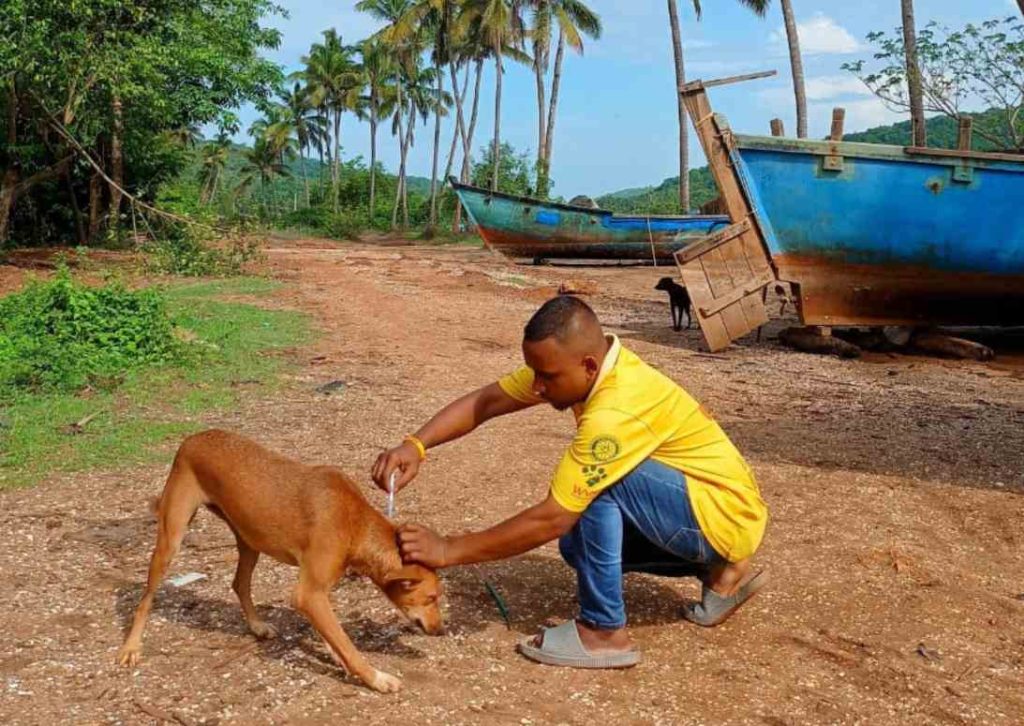
Another important factor is community health. Vaccinated pets play a crucial role in preventing the spread of diseases to other animals and humans, particularly in crowded urban areas where the risk of disease transmission is heightened. By ensuring that our pets are protected, we contribute to a healthier environment for ourselves and our communities.
In Nigeria, where veterinary resources may be limited, awareness of the importance of vaccination can significantly impact overall pet health. Engaging with local veterinarians, participating in community vaccination campaigns, and educating one another about the diseases that threaten our pets are prudent steps towards this goal. Understanding these factors can motivate pet owners to take action and ensure their pets have a healthier, happier life, promoting a stronger bond and long-lasting companionship.
Preventing Disease and Promoting Health in Pets
The necessity of regular vaccination cannot be overstated when it comes to protecting the health of pets in Nigeria. Regular vaccinations provide a shield against various infectious diseases that can lead to severe illness or even death. By immunizing our pets, we not only enhance their longevity but also improve their quality of life, making it essential for all pet owners to prioritize vaccinations.
Key Vaccines and Their Importance
In Nigeria, several key vaccines are vital for a pet’s health. It is essential to understand these vaccines to appreciate their role in disease prevention. The most critical vaccinations include:
- Canine Parvovirus Vaccine: This vaccine is crucial for puppies and unvaccinated dogs, as parvovirus can lead to severe gastrointestinal illness and has a very high mortality rate. Vaccination helps in building immunity, reducing disease prevalence in dog populations.
- Rabies Vaccine: Given its fatal nature and zoonotic transmission, the rabies vaccine is arguably one of the most important vaccinations for dogs and cats alike. In Nigeria, rabies is endemic, making this vaccination a crucial line of defense for both pets and their owners.
- Distemper Vaccine: Distemper affects several organ systems in dogs, including the respiratory, gastrointestinal, and nervous systems. The vaccine prevents this contagious disease, which can have long-lasting effects and severely restrict a pet’s life.
Besides these core vaccines, there are several other vaccines for precautionary measures against diseases like leptospirosis and kennel cough. Pet owners should consult with veterinary professionals to tailor a vaccination schedule that meets the specific needs of their pets.
The Socio-economic Impact of Vaccination
Beyond individual health, the societal benefits of regular vaccination programs are substantial. By ensuring that pets are vaccinated, the overall health of local communities improves. This is particularly important in densely populated urban areas, where high animal density correlates with increased disease transmission potential. Vaccinated pets serve as a barrier against potential outbreaks that could lead to significant public health crises.
Furthermore, the financial implications of neglecting preventive care can be considerable. Treatment for diseases caused by lack of vaccination often leads to exorbitant veterinary bills. On the other hand, the cost of routine vaccinations is relatively low and can save pet owners from incurring larger expenses down the line, making it a wise investment for responsible pet ownership.
In Nigeria, aligning pet vaccination campaigns with public health initiatives can create a ripple effect, leading to better awareness and practice among pet owners. By engaging in education about the importance of vaccination, we can foster a culture that values the health of pets, thereby benefiting both animals and humans alike.
| Advantage | Description |
|---|---|
| Disease Prevention | Regular vaccinations keep pets safe from serious diseases such as parvovirus, rabies, and distemper, common in Nigeria. |
| Community Health | Vaccinating pets contributes to herd immunity, minimizing the risks of outbreaks affecting both animal and human populations. |
| Cost-Effectiveness | Investing in vaccinations is a cost-effective way to prevent expensive medical treatments resulting from vaccine-preventable diseases. |
| Overall Wellbeing | Vaccinated pets tend to have a higher quality of life, enabling them to live longer and healthier lives. |
Vaccination is an essential aspect of responsible pet ownership in Nigeria. Regular vaccination not only protects individual pets from deadly diseases but also plays a crucial role in public health. Vaccines stimulate the pet’s immune system, preparing it to fight off specific infections effectively. Pet owners should stay informed about the vaccination schedules and consult veterinarians for tailored advice based on their pet’s needs.Moreover, as education about vaccines spreads, more pet owners are recognizing the significance of integrating vaccination into their pet care routines. Regions that experience high vaccination rates often see notably reduced occurrences of contagious diseases. To truly understand the impact of vaccinations, it’s important to bring together scholarly articles, expert opinions, and community stories surrounding the topic. This collective effort can lead to a healthier pet population, which ultimately benefits everyone in the community.
The Role of Veterinary Advocacy and Community Outreach
To enhance the effectiveness of vaccination efforts in Nigeria, the collaboration between veterinary professionals and local communities is paramount. Veterinary advocacy plays a crucial role in disseminating information about the importance of regular vaccination. Veterinarians serve as educators, not only offering services but also informing pet owners about prevailing health risks associated with unmanaged vaccinations.
Community Vaccination Initiatives
In many regions of Nigeria, community vaccination drives have shown effectiveness in raising awareness and encouraging participation in vaccination programs. These initiatives often involve mobilizing local veterinary clinics to set up vaccination camps. For example, events organized during the World Rabies Day attract attention and encourage pet owners to bring their animals for vaccination against rabies free of charge. Such outreach programs significantly reduce the incidence of rabies transmission while also promoting other vaccinations.
Moreover, engaging local influencers or community leaders in these initiatives can amplify the message. When respected figures advocate for pet health through vaccination, it resonates more profoundly within their communities. This mentor-like approach ensures that vaccination becomes a community norm rather than an isolated decision by individual pet owners.
The Importance of Education and Awareness
Education remains one of the most powerful tools in promoting regular vaccination. A considerable challenge faced in Nigeria is the widespread misinformation about vaccines, leading to skepticism among pet owners. Through informative seminars, social media campaigns, and even school programs, communities can learn about the benefits of vaccination beyond just prevention of diseases.
For instance, highlighting statistics such as the decreased mortality rate among vaccinated pets versus their unvaccinated counterparts can dispel myths. A study indicates that fully vaccinated dogs have a survival rate of over 90% compared to less than 50% for those that are not vaccinated. These compelling facts can change perceptions and motivate pet owners to seek regular vaccinations for their animals.
Integrating Technology for Better Outcomes
In Nigeria, the integration of technology in pet care is gradually gaining traction. Mobile applications that remind pet owners about vaccination schedules or allow them to book appointments online have emerged. Such innovations can foster a more proactive approach to vaccination. Furthermore, electronic health records can help veterinary professionals keep track of vaccination history and manage follow-ups efficiently.
Access to telemedicine services also provides pet owners with the opportunity to consult veterinary professionals about vaccine-related concerns without the need for travel. This is especially relevant in rural areas where veterinary services may be less accessible. By utilizing technology, the gap in knowledge about vaccination can be bridged, encouraging timely vaccination.
Addressing Economic Barriers
Economic barriers are often cited as one reason for the low vaccination rates in pet populations. Many pet owners express concerns about the cost of vaccinations and associated veterinary care. However, it is essential to emphasize that neglecting vaccinations can lead to more severe health problems and higher treatment costs in the long run. Establishing partnerships between veterinary clinics and local governments or animal welfare organizations could facilitate subsidized vaccination programs, making them more accessible to pet owners struggling financially.
As awareness campaigns and innovative solutions to vaccination logistics continue to evolve, the importance of regular vaccination in pets in Nigeria can no longer be overlooked. With concerted efforts from veterinary professionals, community leaders, and technology advocates, the tide can be turned towards a healthier future for both pets and their owners.
Conclusion
The ongoing conversation surrounding the importance of regular vaccination in pets in Nigeria cannot be overstated. The health and well-being of our furry companions hinge on proactive measures to prevent diseases that not only affect their quality of life but can also pose risks to public health. As we’ve explored, addressing barriers such as economic constraints, misinformation, and inadequate access to veterinary services requires a comprehensive strategy involving collaboration among pet owners, veterinary professionals, community leaders, and local governments.
Through targeted awareness campaigns, community vaccination drives, and the integration of technology, we can enhance participation in vaccination programs. This multifaceted approach not only serves to safeguard pets against preventable diseases but also fosters a sense of shared responsibility among community members. As statistics reveal, vaccinated pets demonstrate significantly higher survival rates, further emphasizing the critical nature of these healthcare initiatives.
Ultimately, embracing regular vaccination should be seen as an investment in the health of pets and the broader community. In Nigeria, where the dynamics of pet ownership continue to evolve, fostering a culture of awareness and actionable communication will be key in transforming perceptions. By prioritizing the health of our pets, we pave the way towards a more informed and responsible pet-owning society, ensuring a brighter future for our cherished animals.