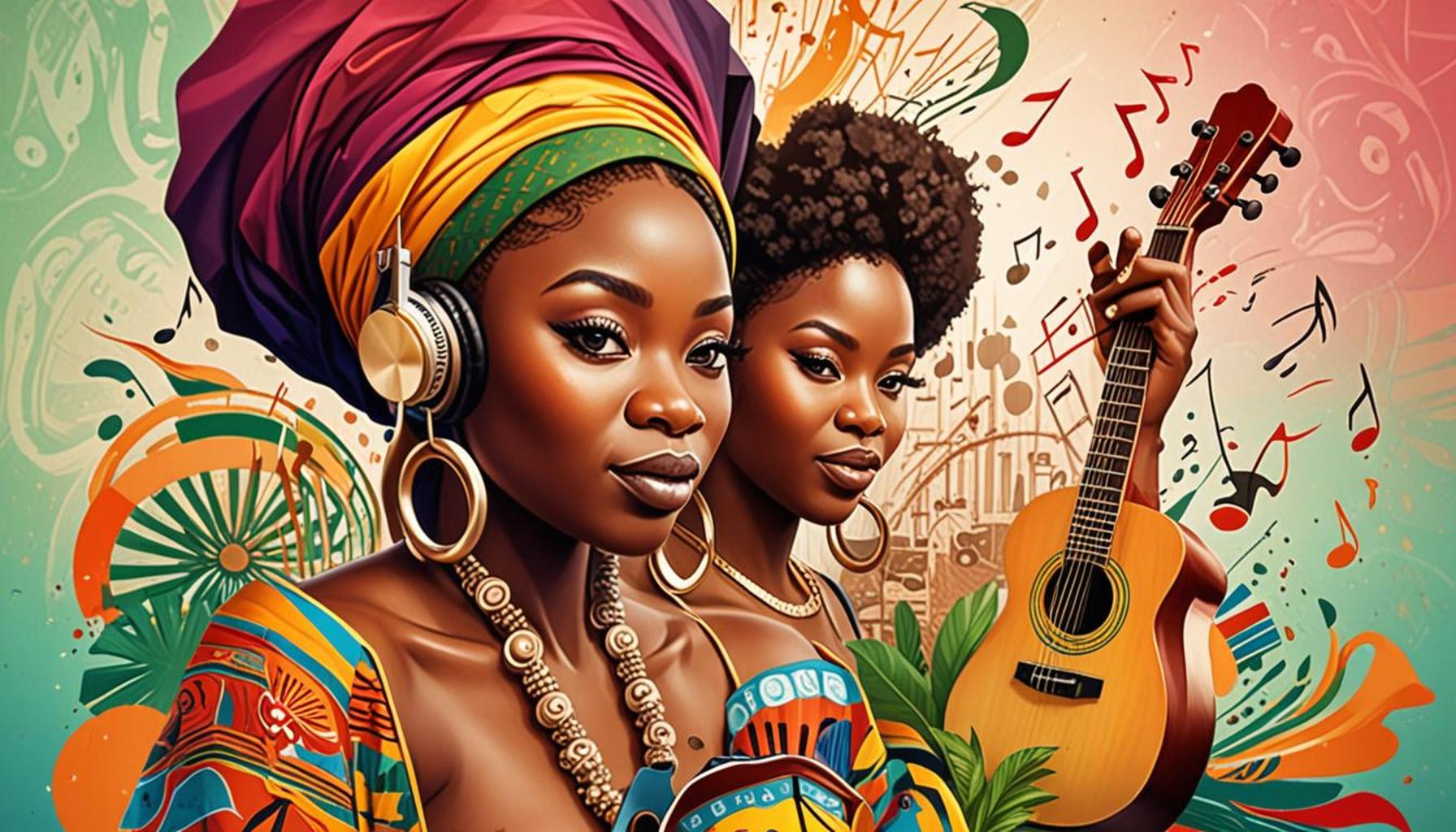
The Influence of Traditional Nigerian Music on Modern Musical Composition
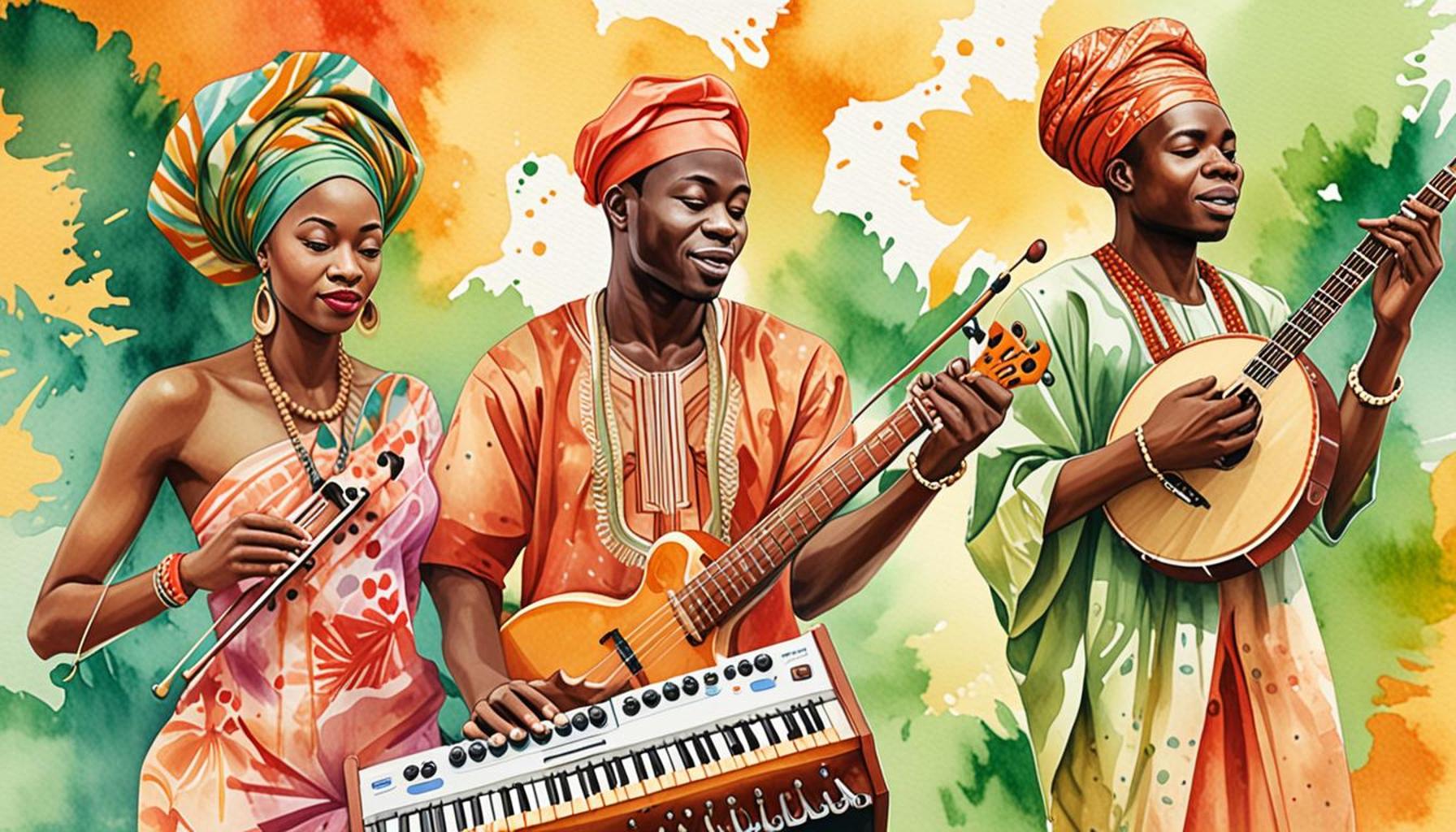
The Vibrancy of Nigerian Music
Nigerian music is a vibrant tapestry woven from diverse traditions, rhythms, and storytelling. Traditional genres like highlife, juju, and afrobeat have not only flourished but have also significantly shaped modern musical composition in Nigeria and beyond. This blend of old and new creates a unique sonic landscape that continues to evolve and expand, influencing artists across various genres worldwide.
Highlife: A Coastal Innovation
Highlife originated in the coastal regions of Nigeria, particularly among the Akan people of Ghana, but it found a home in Nigeria where it morphed into a distinct genre. Characterized by the incorporation of jazz influences, highlife often features intricate guitar riffs, horns, and catchy melodies that entice listeners to dance. Notable Nigerian musicians such as Sunny Ade and Chief Stephen Osita Osadebe have been pivotal in popularizing highlife, using its rhythms to address social issues and celebrate everyday life, thus setting a precedent for contemporary artists.
Juju: Yoruba Tradition Meets Modernity
Juju music represents a rich confluence of traditional Yoruba music with modern elements. It typically includes the use of percussion instruments, electric guitars, and harmonized vocals to create a rhythmic soundscape. Legendary artists like Ebenezer Obey resonate deeply in this genre, blending spiritual themes with popular music, which mirrors the values and narratives within the Yoruba culture. This ability to incorporate storytelling into music showcases the genre’s versatility and relevance in modern society.
Afrobeat: Global Phenomenon
Afrobeat, expanded and popularized by the iconic Fela Kuti, is a genre that fuses traditional African rhythms with jazz, funk, and other global sounds. Fela’s revolutionary approach not only revolutionized Nigerian music but also made Afrobeat a significant voice against social and political injustice. This genre’s infectious grooves and incisive lyrics have inspired a new generation of musicians like Burna Boy and Wizkid, who utilize Afrobeat’s roots while integrating modern musical styles, thereby expanding its global reach.
Influences on Contemporary Music
These traditional genres offer a treasure trove of rhythmic patterns and lyrical themes that resonate with contemporary artists. Modern musicians often draw inspiration from:
- Instrumentation: Instruments such as the talking drum, which can mimic human speech, and the shekere, a gourd percussion instrument, are increasingly prevalent in contemporary compositions.
- Vocal Techniques: The call-and-response style, deeply rooted in Nigerian oral traditions, remains a crucial element that keeps audience engagement alive during performances.
- Dance Forms: Traditional dance movements, such as the energetic Afro dance styles, are often integrated into live musical performances, further enriching the audience’s experience.
As Nigerian artists continue to merge their cultural heritage with global trends, they push the boundaries of creativity and challenge the conventional notions of identity and innovation in today’s music scene. This dynamic interplay between the past and the present not only shapes the soundscape but also raises essential questions about cultural identity and globalization.
Understanding this influence not only highlights the richness of Nigerian musical heritage but also invites a deeper appreciation for contemporary works. Regularly attending local performances or listening to newly released music helps to trace the evolution of these genres, providing a link between Nigeria’s cultural past and its modern-day expressions. Join us as we delve into how traditional elements reshape the future of music in Nigeria, driving forward an enduring legacy in the global music arena.
SEE ALSO: Click here to read another article
Rhythms of Resilience: From Tradition to Contemporary Soundscapes
The influence of traditional Nigerian music on modern musical composition is profound, leaving imprints on everything from song structures to performance styles. As contemporary artists explore and reinterpret their cultural roots, they breathe new life into traditional forms, turning them into rich, evolving genres that resonate with both local and global audiences. Understanding this dynamic interplay reveals not only the cultural significance of these musical forms but also their adaptability in an ever-changing musical landscape.
One key factor driving this musical evolution is the participants’ ability to embrace and innovate upon traditional elements. The integration of traditional percussive rhythms, for example, is a hallmark of modern Nigerian music. As contemporary artists experiment with beats, they often incorporate the rich tapestry of sounds from local drumming cultures, such as the djembe and the agbagba. This fusion helps to ground their music in a cultural context while appealing to a diverse audience.
Moreover, the traditional use of polyrhythmic structures in composition provides a framework for modern musicians to explore complex musical ideas. This rhythmic complexity allows for engaging compositions that challenge listeners’ expectations. Artists such as Olamide and Mr Eazi frequently utilize these structures in their work, showcasing how traditional influences can result in catchy yet intellectually stimulating music.
Storytelling Through Melodies
Nigerian music has a long-standing tradition of storytelling, with lyrics often reflecting societal issues, love, and moral tales. This element remains prevalent in contemporary works, where modern artists draw directly from the narratives of their forebears. The lyrical styles championed by legendary icons such as Felabration highlight political and social commentary, inspiring today’s musicians to weave introspective and socially conscious themes into their own songs.
As a result, modern Nigerian songs often carry messages that resonate with a wide audience. Many artists employ a call-and-response format, which not only harks back to traditional oral storytelling but also facilitates audience interaction. This technique effectively transforms concerts into communal experiences, strengthening the cultural ties between the performers and their listeners.
Furthermore, collaborations between traditional artists and modern musicians have become increasingly common, further blurring the lines between genres. One notable example is the partnership between Angelique Kidjo and various contemporary Nigerian artists. By creating new material that harmoniously blends traditional elements with modern sounds, these collaborations promote the idea of musical unity and cultural exchange.
Modern Instrumentation: A Fusion of Old and New
The incorporation of traditional instruments alongside modern technology is another fascinating aspect of the evolving Nigerian music scene. Contemporary artists are now integrating instruments like the talking drum and flute into their compositions, creating a rich sonic texture that honors their heritage while appealing to modern sensibilities. This blend not only enhances the listening experience but also serves as a reminder of the deep-rooted connections that bind the past to the present.
By harnessing the power of these traditional forms, today’s Nigerian musicians are not merely preserving cultural legacies; they are dynamically transforming them into modern musical expressions that continue to captivate and inspire audiences both locally and around the globe. As we examine these creative processes more closely, we reveal a deeper understanding of how traditional Nigerian music influences and shapes contemporary composition, ultimately crafting a distinctive narrative that celebrates its enduring cultural heritage.
The Enrichment of Modern Sounds
As contemporary artists navigate through diverse musical landscapes, the influence of traditional Nigerian music becomes increasingly evident. The rhythmic complexity found in genres such as Afrobeat and Highlife exemplifies how traditional elements can enhance modern compositions. These genres borrow traditional musical structures, layering them with contemporary instruments and production techniques. Artists like Fela Kuti and Burna Boy have integrated indigenous beats and instruments, allowing the spirit of traditional music to resonate within the modern context. Furthermore, the incorporation of indigenous languages into lyrics not only preserves cultural authenticity but also adds a unique lyrical charm that appeals to global audiences. This trend illustrates a growing trend of embracing cultural heritage, where artists infuse their roots into their art, enabling them to forge a more profound connection with listeners.
Rhythmic Patterns and Modern Fusion
Another fascinating aspect of traditional Nigerian music’s impact on modern compositions is its intricate rhythmic patterns. The use of polyrhythms, crafted from traditional drumming techniques, results in rich textures that are captivating. Today, many producers and musicians are experimenting with these patterns, leading to a fusion of traditional sounds and electronic music. As a result, contemporary genres like afrofusion and world music are thriving, pushing the boundaries of creativity within the music industry.There is also a notable resurgence of interest in traditional instruments, such as the talking drum or the saxophone, which are now being featured prominently in modern tracks. This revival not only showcases the versatility of these instruments but also serves as a tribute to Nigeria’s rich musical heritage, driving a deeper appreciation for the stories they convey. Through this dialogue between the old and the new, artists can weave narratives that resonate on multiple levels, encouraging listeners to explore the rich tapestry of Nigerian music and its ongoing evolution in the modern musical landscape.
| Category | Advantage |
|---|---|
| Cultural Authenticity | Integrating traditional songs and instruments retains cultural stories. |
| Rich Rhythmic Diversity | Polyrhythms from traditional Nigerian styles create a unique sound experience. |
The collaboration of traditional and modern elements fosters innovation in music, inviting listeners and creators alike to engage with the cultural roots that inspire contemporary compositions.
CHECK OUT: Click here to explore more
Bridging Generations: The Role of Dance and Performance
The significance of dancing within traditional Nigerian music cannot be overstated; it serves as a critical element that enriches the overall musical experience. As modern Nigerian artists create compositions that honor their roots, they often draw inspiration from the various traditional dance forms associated with these musical styles. The energetic movements compatible with traditional rhythms make their way into contemporary performances, allowing a seamless blend of music and dance that caters to the vibrant atmosphere of today’s entertainment scenes.
Performance styles have also transformed significantly, with artists like Burna Boy and Tiwa Savage embracing the theatrical aspects found in traditional gatherings. These artists showcase storytelling through their performances, often incorporating elements such as costumes, choreography, and audience participation reminiscent of traditional festivals. The use of dramatic staging and robust visuals serves to enliven the presentations, creating a multi-sensory experience that captivates both local and global audiences.
Moreover, this bridging of generations is evident in the utilization of digital platforms to share cultural narratives through music. The rise of social media has given artists unprecedented access to a global audience, encouraging them to integrate traditional themes into accessible formats. Platforms like Instagram and TikTok have seen a surge of viral trends where traditional dance moves are combined with popular songs, propelling traditional music influence into the modern age. For instance, Afrobeats has found its footing in external markets, with dance challenges that often reflect indigenous styles, creating a fusion that inspires and educates younger generations.
The Cultural Revival: Influencing Youth and Education
Celebrating traditional Nigerian music is not only about revisiting cultural heritage but also actively engaging the youth in musical education. Initiatives promoting traditional music programs in schools have fostered an appreciation for local sounds among younger generations. As emerging musicians showcase their talents, they often weave traditional influences into their compositions, creating a unique tapestry that represents their upbringing.
Educational institutions are playing a pivotal role in this revival; organizations across Nigeria are sponsoring workshops and seminars that seek to educate new musicians on the foundational aspects of traditional sounds. In cities like Lagos and Abuja, community gatherings often feature local musicians sharing their expertise on how to play traditional instruments, thus preserving the artistic knowledge that transcends generations. This revival nurtures not only a sense of pride but also creates a crucial link between the past and the present, as students learn to appreciate and innovate upon musical forms that have long been the backbone of Nigerian identity.
A Global Influence: From Nigeria to the World Stage
Beyond national borders, the impact of traditional Nigerian music is beginning to engage with an international audience. Artists aiming to showcase their roots often collaborate with international stars, amplifying their traditional influences on far-reaching platforms. The recent surge in international collaborations, such as Wizkid with Drake and Davido with artists in the United States and Europe, make traditional musical frameworks increasingly recognizable on the world stage.
These collaborations shine a spotlight on the intricacies of Nigerian rhythms and melodies, inviting contemporary musicians worldwide to explore and incorporate these elements in their work. Consequently, the traditional sounds of Nigeria are being reinterpreted across diverse musical landscapes, allowing them to infiltrate genres like hip hop, R&B, and dancehall. As a result, a remarkable cross-cultural dialogue emerges, where traditional sounds enrich global music while simultaneously evolving their distinctive identities within a world increasingly connected by technology.
RECOMMENDED: Check out this similar article
Conclusion: A Harmonious Future Rooted in Tradition
The journey of traditional Nigerian music into the realm of modern musical composition demonstrates an inspiring interplay between heritage and innovation. As contemporary artists weave ancestral sounds and themes into their work, they are not merely preserving culture; they are reinvigorating it for a new generation and a global audience. The vibrant fusion of rhythms and melodies echoes the rich tapestry of Nigeria’s diverse communities, while performance styles serve as a reminder of the emotive storytelling inherent in traditional gatherings.
Through initiatives focused on musical education, workshops, and community engagement, the younger generation is becoming increasingly aware of their rich cultural legacy, allowing them to embrace and transform it creatively. The rise of digital platforms has further catapulted traditional influences into global consciousness, enabling artists to collaborate internationally and showcase the depth of Nigerian sounds across genres such as Afrobeats, hip hop, and R&B. This cross-cultural exchange fosters an appreciation for traditional music, bridging the gap between the past and the future while celebrating Nigeria’s artistic identity.
In conclusion, the influence of traditional Nigerian music on modern musical composition is not just an echo of the past, but a vibrant dialogue, leading to innovative expressions that resonate on both local and global stages. As we continue to explore this fusion, it invites listeners and musicians alike to delve deeper into the cultural narratives that shape our shared musical landscape. By nurturing these traditions, we ensure that they not only remain alive but thrive, enriching the modern world with their unique soundscapes and stories.